
Have you ever wondered why some companies navigate successfully with algorithmic systems, while others sink into regulatory quagmires and suffer massive reputational damage?
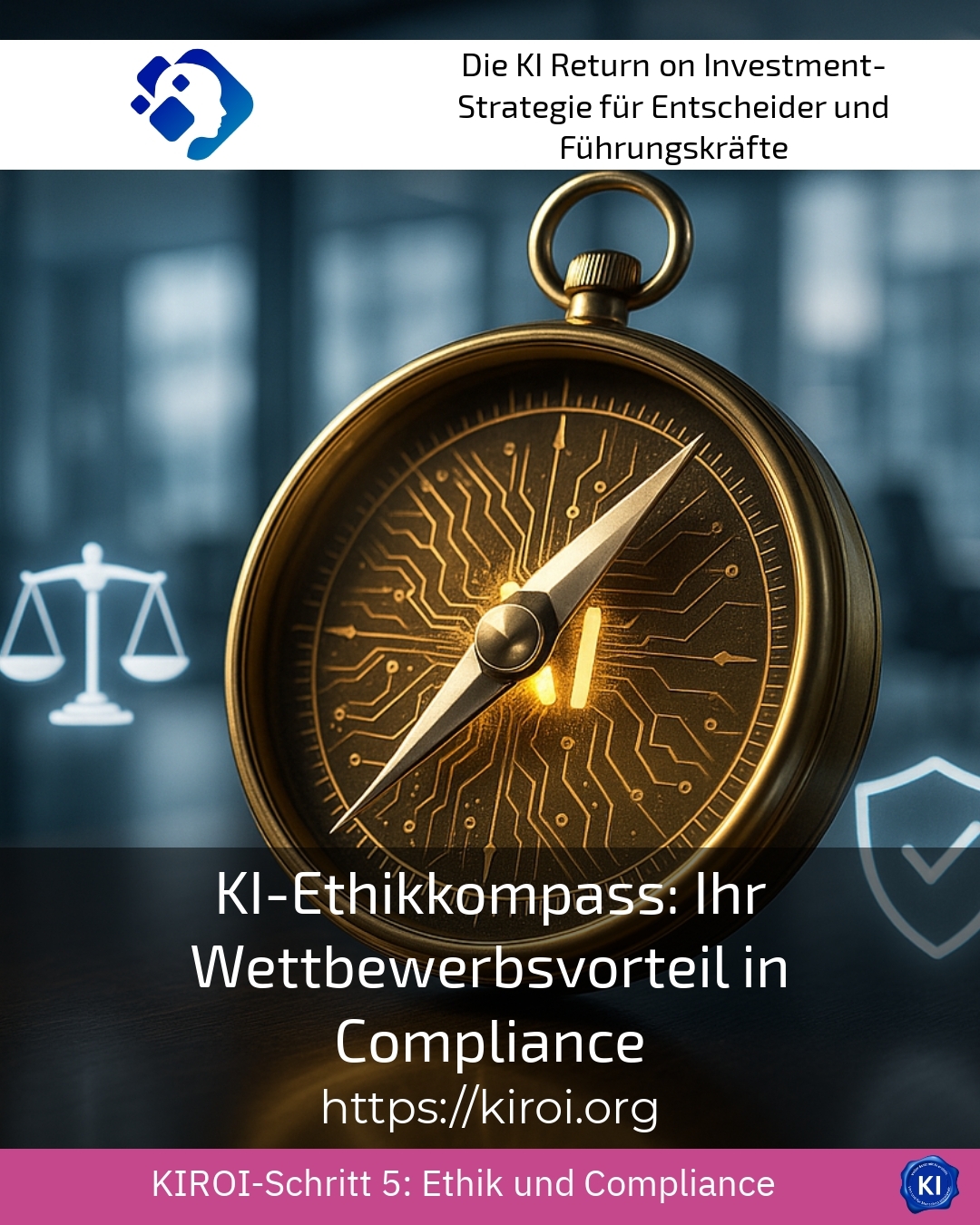
The answer often lies in a strategic instrument that many organizations still underestimate: AI Ethics Compass: Your competitive advantage in compliance. In a time when automated decision-making systems increasingly control critical business processes, the ethical orientation of these technologies becomes the decisive differentiating factor. Companies that adopt a value-based approach early often report increased customer trust and optimized processes. At the same time, we observe that regulatory requirements are increasing worldwide, placing organizations without clear guidance in front of significant challenges [1]. Therefore, transruptions coaching accompanies projects in this sensitive area with tailored impulses and strategic support.
Why value-based technology integration contributes to business success
The implementation of algorithmic systems in business processes today requires far more than technical expertise and functional expertise. Rather, organizations face the complex task of aligning their technological decisions with societal expectations, legal frameworks, and internal values, making a holistic approach indispensable. Time and again, it is shown that companies with a clear ethical orientation not only meet regulatory requirements but can also achieve sustainable competitive advantages.
Consider, for example, a medium-sized insurance company that wants to introduce automated damage assessment systems. Without a structured approach to ethical evaluation, this system could unintentionally disadvantage certain customer groups. This would not only have legal consequences but also permanently damage the trust of insurance policyholders. Another example can be found in healthcare, where diagnostic support systems are used. These must meet the highest ethical standards because they directly affect people’s well-being. Similarly relevant is the financial sector, where credit decisions are increasingly supported by algorithmic analysis and transparent traceability appears essential [2].
Best practice with a AIROI customer
A leading financial services company faced the challenge of modernizing its credit approval processes while ensuring the highest standards of fairness. The organization had already deployed several automated systems, which had been developed without uniform ethical guidelines. As part of our support, we developed a comprehensive assessment framework that integrated both technical and human perspectives. Initially, we identified potential biases in the existing datasets and developed strategies to mitigate these risks. The involvement of various stakeholder groups, including customer representatives, compliance experts, and technical teams, was particularly valuable. Following the implementation of the new framework, the company reported significant improvements in customer satisfaction and a significant reduction in complaints regarding algorithmic decisions. Additionally, the organization was able to strengthen its regulatory position and proactively respond to regulatory inquiries. This transformation illustrates how structured ethical guidance can generate tangible business benefits.
The AI Ethics Compass as a strategic management tool
The systematic integration of ethical principles into technological projects requires a structured approach that goes beyond point-based measures and permeates the entire organization. Such an approach serves as a navigational aid through complex decision-making environments and helps leaders make informed decisions. It is not about rigid rules, but about flexible frameworks that can be adapted to specific contexts.
In retail, for example, advanced companies are using algorithmic systems for personalized product recommendations, where the balance between personalization and privacy must be carefully considered. Logistics companies are increasingly using automated route planning and resource allocation, but must also take into account employee interests and environmental aspects. In the education sector, adaptive learning systems are being implemented that suggest individual learning paths, with questions of equal opportunities and data protection requiring particular attention. All of these applications benefit from a well-thought-out approach. AI Ethics Compass: Your competitive advantage in compliance, which serves as a guide for responsible implementation [3].
Practical implementation in various organizational areas
The successful implementation of an ethical framework typically begins with a thorough review of existing systems and planned projects to identify potential risk areas early on. Subsequently, interdisciplinary teams are formed that bring diverse perspectives and develop solutions together. This collaborative approach not only enhances the quality of the results but also fosters organizational-wide acceptance of the developed guidelines.
In the field of human resources, for example, algorithmic systems support the preselection of applicants, while the risks of discrimination must be actively addressed. Manufacturing companies rely on predictive maintenance systems that minimize downtime, but at the same time they can raise questions about workplace safety. In customer service, intelligent assistance systems are used to provide quick help without completely replacing human contact. Each of these areas benefits from clear ethical guidelines that provide guidance and create trust.
Best practice with a AIROI customer
An international trading company approached us with the goal of optimizing its customer communication through automated systems while maintaining the highest standards of transparency. The existing chatbot solutions had led to irritation among customers because it was not always clear whether they were communicating with a human or a machine. Together, we developed a comprehensive transparency framework that defined clear labeling requirements and escalation paths. We considered not only technical aspects but also psychological factors of customer perception. The implementation took place in stages and was accompanied by intensive training for all involved employees. After the implementation of the new framework, the company experienced a significant increase in customer satisfaction and received positive feedback for its transparent communication. Additionally, the organization positioned itself as a leader in its industry and was able to successfully leverage this in external communication. This experience underscores the value of thoughtful ethical guidance in technology projects.
Understand regulatory requirements and proactively meet them
The regulatory landscape for algorithmic systems is continuously evolving, with European frameworks increasingly being considered global standards and influencing companies worldwide [4]. Organizations that early adopt value-based technology integration position themselves favorably for future requirements and avoid costly, retroactive adjustments. This is not just about meeting minimum standards; it is about creating sustainable competitive advantages through building trust.
Pharmaceutical companies, for example, must adhere to the strictest ethical standards when developing algorithmic research tools and fulfill comprehensive documentation obligations. Energy providers deploy intelligent networks that analyze consumption data, with data privacy aspects being of the utmost priority. Telecommunications providers utilize automated systems for network optimization and customer support, with transparency and fairness being central requirements. AI Ethics Compass: Your competitive advantage in compliance helps these organizations to systematically meet complex requirements.
Cultural embedding as a success factor for the AI Ethics Compass: Its competitive advantage in compliance
The sustainable effectiveness of ethical orientation frameworks depends largely on their cultural embedding within the organization, which is why leaders must assume a special role as role models and actively demonstrate value-based behavior. This requires continuous communication, regular training, and the integration of ethical evaluation criteria into decision-making processes at all levels. Transruptions coaching supports organizations in developing tailored implementation strategies that take cultural specifics into account.
In the automotive sector, for example, algorithmic systems for driving assistance functions are being developed, with safety aspects and ethical decision-making logics needing to be thoroughly discussed. Media companies are relying on automated content curation, but must ensure diversity of opinion and quality of information. Public administrations are implementing digital citizen services, with accessibility, transparency, and equal treatment being fundamental requirements. These diverse application contexts highlight the need for flexible but principle-driven approaches.
My AIROI Analysis
Addressing ethical issues in the integration of algorithmic systems is not an optional add-on program; it is a strategic necessity for future-proof organizations. My experience from numerous mentoring projects clearly shows that companies with a structured ethical orientation are better equipped to meet regulatory requirements, customer expectations, and internal cultural development. I often observe that the initial investment in ethical groundwork pays off multiple times through avoided reputational risks, strengthened stakeholder relationships, and optimized decision-making processes.
I find the interdisciplinary collaboration between technical, legal, and ethical experts particularly valuable, as it brings together different perspectives and enables holistic solutions. Organizations that cultivate this collaboration not only develop better products and services but also a more resilient corporate culture. At the same time, I note that the market increasingly differentiates between responsible and less responsible actors, with the former achieving better business results in the long run. The future belongs to organizations that combine technological innovation with ethical reflection and involve all stakeholders in the process. Transruptive coaching supports this transformation process with impulses based on years of experience and tailored to organizational contexts [5].
Further links from the text above:
[1] European Commission – Regulatory Framework for AI
[2] BaFin – Artificial Intelligence in the Financial Sector
[3] Platform Learning Systems – Ethics and AI
[4] European Parliament – EU AI Act Overview
[5] AIROI Blog – Methodology and Use Cases
For more information and if you have any questions, please contact Contact us or read more blog posts on the topic Artificial intelligence here.










 Deutsch
  English (UK)