
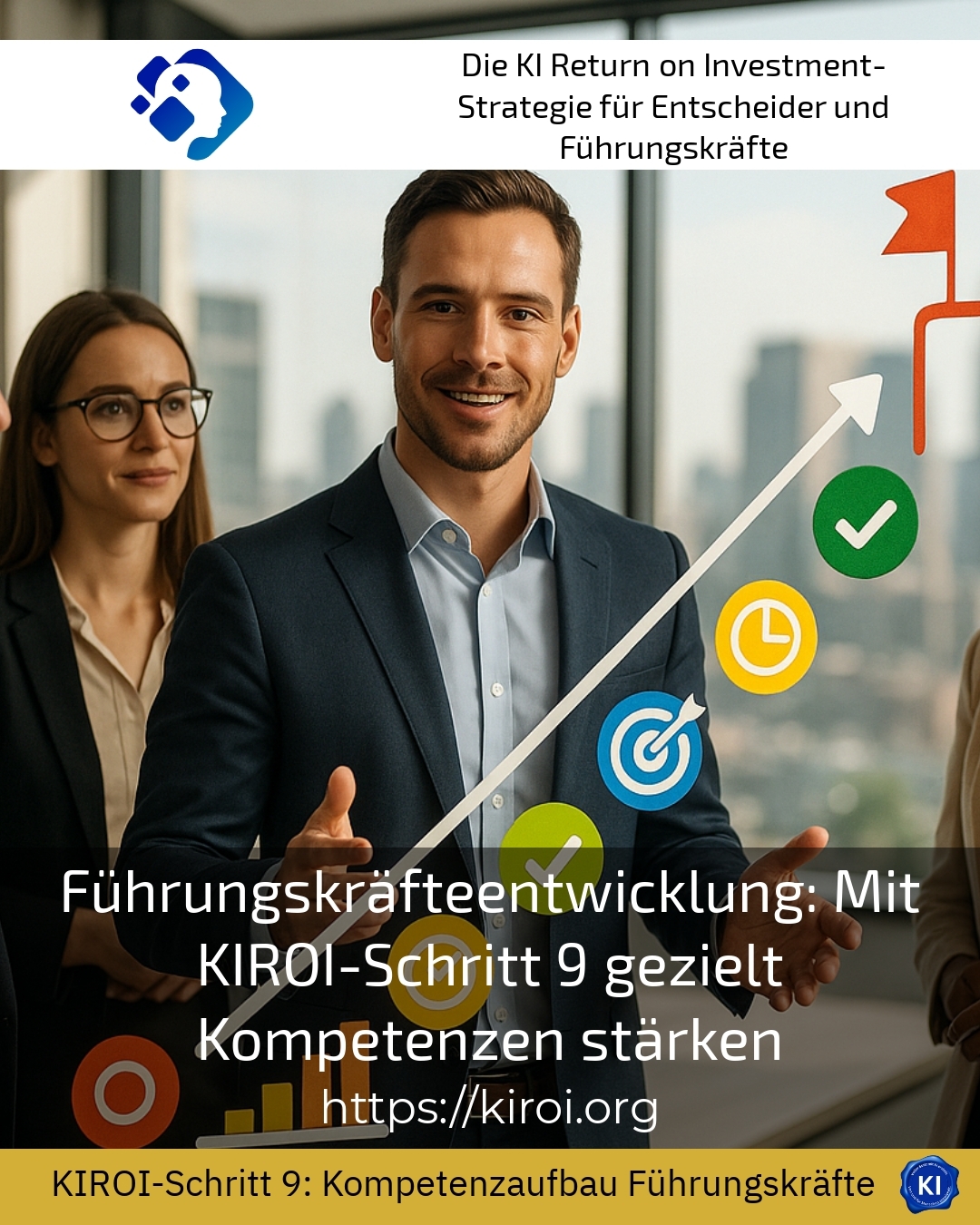
Leadership development is more of a critical success factor for companies today than ever before. Many leaders are seeking targeted support to further develop their skills and better master the challenges of everyday work. Modern leadership development not only relies on traditional training but also integrates innovative approaches such as digital learning formats and individual coaching. It is particularly important to design development on an ongoing basis and to address the specific needs of leaders. Clients often report that they gain more confidence in dealing with new technologies and methods through targeted impulses and continuous reflection.
Leadership Development: Methods and Approaches
Leadership development encompasses a variety of methods, including seminars, workshops, coaching, mentoring, and digital learning formats. Each method has its strengths and can be used depending on the objective and need. Seminars impart specific knowledge on current leadership topics. Coaching and mentoring offer individual support and help in achieving personal goals. Digital learning formats enable flexible learning and are particularly useful for leaders operating in a dynamic environment.
Practical examples from the industry
A manufacturing company is implementing a multi-stage learning programme for department heads. This programme combines online modules, in-person workshops, and peer coaching. Participants receive practical assignments after each module, which they apply in their daily work and reflect on during the next module. This ensures that what has been learned is directly put into practice.
In the service sector, virtual training formats are used to train managers in the use of analytics tools. This enables them to make data-based decisions and improve their team management. In the energy sector, programmes focus on combining in-person workshops with accompanying learning platforms to strengthen management expertise in the area of sustainable transformation.
Leadership Development with AIROI – Step 9
AIROI Step 9 focuses on developing AI competence among leaders. It's about leaders not just using AI tools, but also understanding how they can be meaningfully integrated into everyday business operations. Leadership development supports this by providing impetus, offering individual coaching, and thus helping to think and shape new approaches.
Practical examples from the industry
A company from the automotive industry is using AIROI Step 9 to train executives in the application of new technologies. The learning sequences are combined with simulations, allowing executives to test the application in simulated work situations and receive feedback. This increases their confidence and noticeably improves team management.
A healthcare company is using AIROI Step 9 to train executives in the use of AI tools. The executives will learn how to meaningfully integrate AI into everyday business operations and guide teams through the transition. Executive development supports this by providing impetus, offering individual coaching, and thus helping to think and shape new paths.
A company from the finance sector is using AIROI Step 9 to train executives in the use of AI tools. The executives are learning how to meaningfully integrate AI into their daily business operations and how to guide teams through the transformation. Executive development supports this by providing impetus, offering individual guidance, and thus helping to think and shape new approaches.
Leadership Development: Practical Examples and Best Practices
Leadership development is a continuous process that should be regularly reflected upon and adapted. Companies that focus on systematic leadership development frequently report positive effects such as increased motivation, better team results, and higher innovative capacity.
A manufacturing company is developing a multi-stage learning programme for department heads. This programme combines online modules, in-person workshops, and peer coaching. Participants receive practical assignments after each module, which they apply in their day-to-day work and reflect on in the next module. This ensures that what they have learned is directly implemented.
In the service sector, virtual training formats are used to train managers in the use of analytics tools. This enables them to make data-based decisions and improve their team management. In the energy sector, programmes focus on combining in-person workshops with accompanying learning platforms to strengthen management expertise in the area of sustainable transformation.
BEST PRACTICE with one customer (name hidden due to NDA contract) A medium-sized company in the logistics sector opted for a tailored coaching programme for its managers. The coaching sessions were customised to the specific challenges faced by the managers and held on a regular basis. Participants reported that the individual support gave them greater confidence in dealing with new technologies and methods. The management development was continuously reflected upon and adapted, leading to increased motivation and improved team results.
My analysis
Leadership development is a key success factor for companies. Modern leadership development focuses not only on classic training courses but also integrates innovative approaches such as digital learning formats and individual coaching. It is particularly important to shape development continuously and to address the specific needs of leaders. Clients often report that targeted impulses and continuous reflection help them gain more confidence in dealing with new technologies and methods. Leadership development supports this by providing impulses, offering individual coaching, and thus helping to think about and shape new paths.
Further links from the text above:
How to succeed in leadership development – Methods, concepts, and practical examples
With AIROI Step 9 to AI Competence
Leadership Development in the Age of AI
For more information and if you have any questions, please contact Contact us or read more blog posts on the topic Artificial intelligence here.









 Deutsch
  English (UK)