
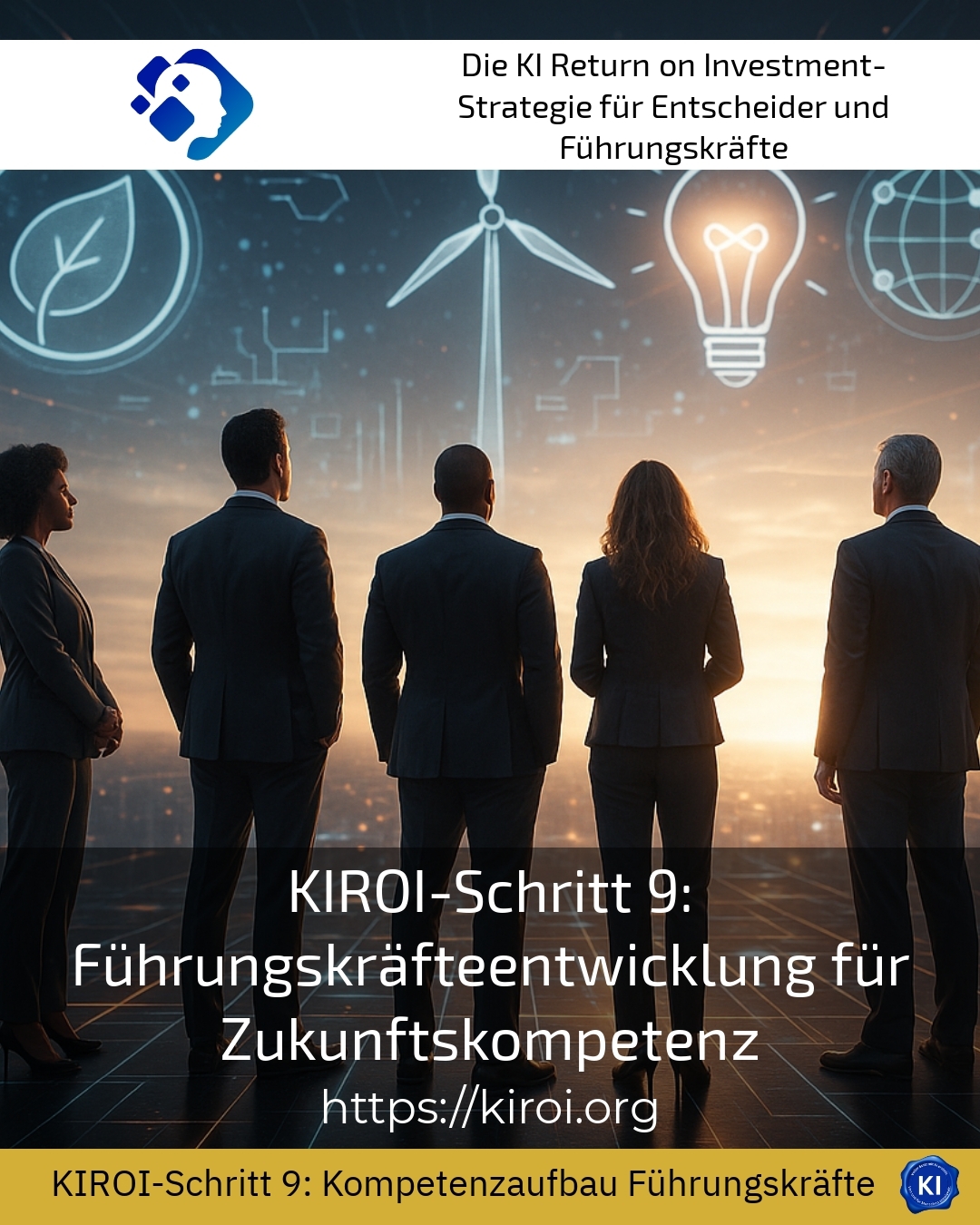
Shaping Leadership Development for the Future of Work
Leadership development is gaining significant importance across all industries as the operating environment rapidly changes due to digitalisation and technological innovations. Many leaders are seeking support to acquire new competencies and safely guide their teams through this transformation. In supporting these processes, it is important not only to impart knowledge but also to actively guide leaders and provide impetus so that they can grow in their roles.
The challenge in leadership development lies in meaningfully combining classic leadership qualities with new future competencies. This is not about simple solutions, but about continuous development processes that are individually tailored. Leaders often ask how to integrate AI and digital tools into their daily work or how to promote change processes within their team. This is where targeted support comes in, which doesn't work with promises, but sets sustainable impulses.
Identifying and planning for individual needs in leadership development
An essential step in leadership development is a comprehensive needs analysis. Leaders often report uncertainties regarding their digital skills or how to effectively lead their teams through change projects with motivation. Therefore, it makes sense to jointly assess the status quo and develop individual development plans. These plans take into account both existing strengths and specific challenges in the digital world of work.
For example, in the financial services sector, particular demands often arise in the secure handling of AI-supported decision-making processes. Managers benefit here from workshops that promote practical experience in dealing with complex data analyses while simultaneously strengthening communication skills. The situation is similar in the logistics industry, where managers learn to apply AI-supported algorithms for more efficient route planning and, at the same time, to bring their teams along in the implementation.
In industrial environments, leadership development often accompanies the implementation of digital control systems and automated processes. Leaders who understand these technologies can better manage their resources and promote innovation more effectively, contributing to a constructive and sustainable corporate culture.
Various formats and methods in practice
To make leadership development effective, various formats are used. In many cases, workshop series, digital learning modules, and individual coaching support the step-by-step acquisition of new skills. The focus here is on practical application: simulations and feedback loops help to gain confidence in dealing with new technologies and strategies.
Leadership development is characterised by its practical support. For example, leaders in the energy industry are supported not only in understanding digital control systems but also in actively helping to shape them. This builds trust and allows for more confident collaboration with technical teams.
AIROI BEST PRACTICE at ABC (name changed due to NDA contract)
An energy supply company launched a management development programme that focused on AI skills. Through coaching sessions and practical application scenarios, managers were able to learn how to use new technologies. This led to greater confidence in communicating with technical teams and promoted an innovation-friendly atmosphere.
These leadership development formats not only support the expansion of skills but also increase digital affinity and foster a readiness for agile learning. Leaders who receive such impetus often report increased motivation and greater confidence in their actions. This allows for the active shaping of the transformation towards a new leadership culture.
How leadership development accompanies change
Leadership development should be understood as a continuous process that empowers leaders not only to use new technologies but also to bring people within the company along on this journey. Feedback mechanisms and open communication play a central role in this. Leaders who are supported engage in dialogue with their teams, recognise challenges earlier, and take proactive measures.
The coaching process focuses on individual support. Leaders receive input to sharpen their self-awareness and adapt their communication strategies. This development is crucial for further unlocking the potential of existing resources and sustainably strengthening the company culture.
Particularly in sectors like healthcare, where digital processes are becoming increasingly important, leadership development helps to structure often complex change processes and make them less daunting. Leaders learn to integrate both technical and human aspects to create a solid foundation for the future.
My analysis
Today, leadership development is essential in order to master the complex challenges of the modern working world. It is designed to support managers in developing not only traditional leadership qualities, but also technical and social skills for the future. The impulses and individualised support it contains make it possible to actively shape digital transformation processes and promote change within the company. This enables managers to lead their teams into the digital age with confidence and motivation.
Further links from the text above:
[1] Leadership Development: Developing Staff Potential
[2] SEO for Managing Directors: Information & Tips
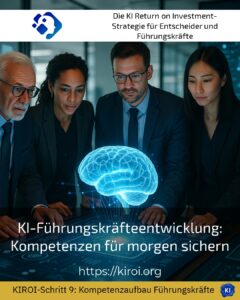
[4] AIROI Step 9: Leadership development through AI expertise
For more information and if you have any questions, please contact Contact us on or read further blog posts on the topic Artificial Intelligence Blog here.






 Deutsch
  English (UK)