
Leadership Development in the Context of Digital Transformation
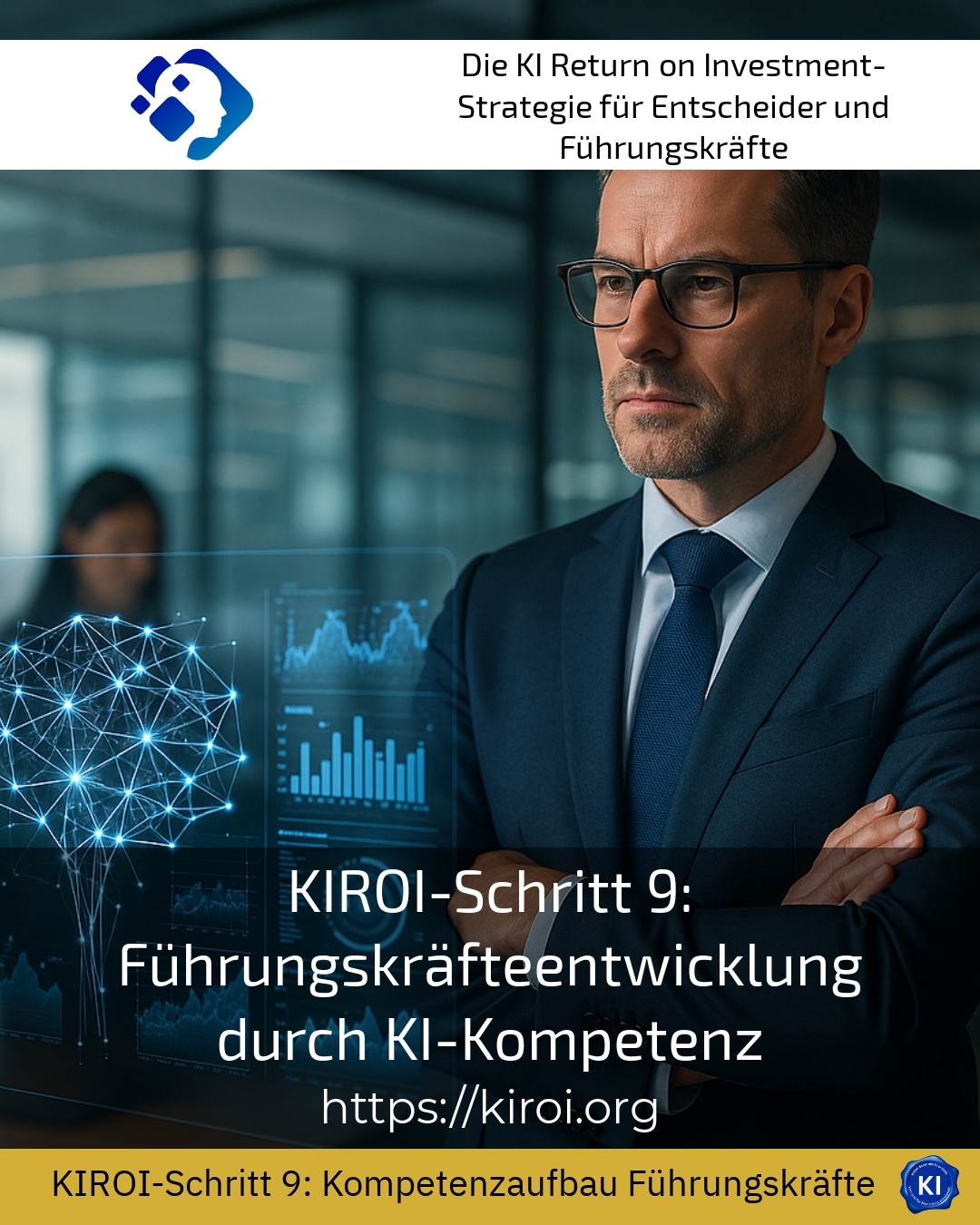
Leadership development faces new challenges today because technological change and the integration of Artificial Intelligence (AI) are transforming all industries. Leadership development means not only strengthening classic leadership skills but also imparting competencies in dealing with digital technologies and AI.
Many managers come to me with questions: How can I meaningfully integrate AI into my daily work? How do I support my team through digital transformation? Leadership development can help here by providing impetus and individual support. Holistic coaching considers that knowledge transfer in AI not only includes technical skills but also promotes agility, willingness to learn, and digital affinity.
Measures and formats for leadership development in the digital age
Successful leadership development begins with a needs analysis. We will jointly determine which competencies are already present and which skills will be particularly important in the future, for example, through the targeted use of digital tools. Personalised development plans will be created to address individual strengths and challenges.
Typical formats include workshop series, digital learning modules, and individual coaching. Leadership development supports the practical implementation of new skills, often with simulations and feedback loops. This practical support helps to build confidence in using AI systems and to recognise their potential.
In the logistics industry, for instance, executives use AI-powered algorithms to plan optimised routes and deploy resources more efficiently. In the energy sector, training, digital control systems, and automated analyses help to better understand and shape it. And in financial services, executive development focuses on the secure handling of AI-powered decision-making processes.
AIROI BEST PRACTICE at ABC (name changed due to NDA contract)
An energy supply company launched a management development programme that focused on AI skills. Through coaching sessions and practical application scenarios, managers were able to learn how to use new technologies. This led to greater confidence in communicating with technical teams and promoted an innovation-friendly atmosphere.
The use of Artificial Intelligence as a learning support tool
Artificial intelligence supplements leadership development through personalised learning paths. AI analyses learning progress and offers targeted content to strengthen skills such as conflict management or digital decision-making. Virtual AI coaches act as personal companions, offering individual support and motivation.
Such tools adapt to the needs of each manager, making development programmes more flexible and sustainable. The combination of human guidance and AI-powered feedback improves the quality of learning and its implementation in daily management.
In manufacturing companies, managers benefit from trying out AI-based process optimisations themselves, thereby gaining a better understanding of technological innovations. Service providers, on the other hand, rely on leaders who pass on digital competencies and foster an open culture towards new technologies.
AIROI BEST PRACTICE at company XYZ (name changed due to NDA contract)
In a manufacturing company, leadership development was consistently supplemented with AI training. Managers completed practical training sessions where AI-supported tools were introduced. This increased their willingness to see technological innovations as opportunities and to actively drive digitalisation projects.
Measuring success and sustainable development in the leadership process
The impact of leadership development cannot always be easily expressed in numbers. Nevertheless, it is advisable to define clear development goals and regularly seek feedback. This allows programmes to be adapted and improvements to be identified.
Companies frequently report that targeted support and practical input help leaders successfully navigate complex changes. It is important to continually readjust individual development paths and incorporate current demands of the digital world.
Leadership development is proving to be an essential pillar today, enabling leaders to actively shape change. They learn not only to understand technological developments but also to use them strategically, thus making companies future-proof.
AIROI BEST PRACTICE at DEF (name changed due to NDA contract)
A service company has established a development programme specifically designed to support leaders through AI-driven transformation. Through continuous coaching and workshops, leaders were able to foster a digital culture within the company and provide optimal support to their teams in the adoption of new technologies.
My analysis
Leadership development must take into account the complex demands of the digital age and integrate AI competencies. Through practice-oriented, individual support and the use of adaptive learning systems, leaders receive valuable impulses. They are empowered to recognise technological innovations as opportunities and to shape change agilely.
This is how leadership development unfolds as a dynamic, continuous process that fosters personal strengths and equips individuals for future challenges.
Further links from the text above:
[1] Leadership Development in the AI Era
[2] AI and Leadership Development
[3] Leadership Development: Staff Potential
[4] Management development: the potential of personnel
For more information and if you have any questions, please contact Contact us on or read further blog posts on the topic Artificial Intelligence Blog here.









 Deutsch
  English (UK)