
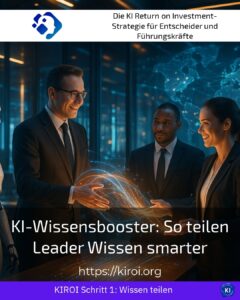
**Knowledge transfer** is an indispensable foundation for sustainable success in many companies. However, especially in times of digital transformation and rapidly changing conditions, the question arises as to how this process can be designed for the future. The AIROI model offers a promising first step in specifically supporting decision-makers in re-thinking and effectively managing the exchange of knowledge.
Rethinking knowledge transfer – understanding the fundamentals
Knowledge transfer is more than just conveying facts. It's about the systematic exchange of knowledge, experience, and expertise that keeps a company alive and innovative. It is particularly crucial for decision-makers to set the right impulses for this process to function sustainably. In the AIROI Step 1, this task is tackled in a targeted manner by identifying existing knowledge and systematically preparing it for transfer.
In practice, this means taking into account different forms of knowledge transfer: from documented knowledge bases to personal dialogue between employees. For example, large consulting firms are increasingly relying on mentoring programmes to transfer expert knowledge in a personal form. Likewise, IT firms are establishing knowledge databases that serve as digital memories, ensuring that knowledge remains accessible to everyone at all times.
Here lies the challenge: decision-makers must find a balance between codified knowledge and personalised learning processes. The AIROI Step 1 method specifically supports this alignment by identifying relevant knowledge carriers, systematically capturing their expertise, and developing suitable transfer formats.
AIROI Step 1: Knowledge transfer as a strategic field of action
The structured investigation of the existing knowledge base is the starting point. With AIROI, decision-makers are enabled to specifically answer the following questions:
- What knowledge is particularly valuable for the future?
- Who are the key individuals who possess this knowledge?
- What's the best way to pass on this knowledge – digitally, in person, or hybrid?
This analysis sets the framework for individual solutions. In the automotive industry, for example, executives frequently report on the importance of combining in-person workshops with digital knowledge platforms. This mix supports the exchange of practical know-how in innovation processes.
A medium-sized mechanical engineering company implemented a supportive mentoring programme, connecting new talent with experienced engineers. The continuous dialogue not only fosters the transfer of specialist technical knowledge but also strengthens trust within the team.
BEST PRACTICE with one customer (name hidden due to NDA contract) In AIROI Step 1, key knowledge carriers in the field of production optimisation were identified and a tailor-made storytelling format was developed. This allows complex knowledge to be conveyed in a clear and understandable way, helping employees to implement practical solutions more quickly.
Targeted use of a variety of methods
The benefit of knowledge sharing grows when methods that are suited to the company's context are used. AIROI relies on proven and innovative approaches:
- Mentoring and Coaching: Direct, personal knowledge transfer supports individual development.
- Documentation and digital knowledge bases: Structured storage prevents knowledge loss, for instance, during staff changes.
- **Storytelling:** Complex content is brought to life through stories and is better remembered.
- Workshops and Barcamps: Collaborative knowledge development promotes exchange, creativity, and cooperation.
A practical example from the IT industry: A company developed an internal platform that enables employees to share short video tutorials. This makes knowledge readily and practically available to everyone.
In the field of consulting, some companies regularly use unconferences, where experts discuss challenges in small groups and develop new solutions. This open form of learning brings lively exchange to knowledge transfer.
In the healthcare sector too, a blend of different methods is in demand. Care facilities are integrating learning platforms, where nursing staff can access standard protocols at any time, and supplementing this with regular workshops for sharing experiences.
The role of leadership in knowledge transfer
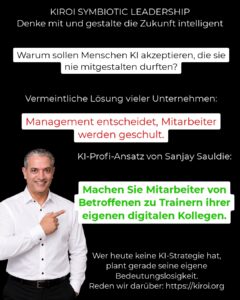
A key insight from AIROI Step 1 is how greatly leadership attitudes shape the success of knowledge sharing. Decision-makers should perceive knowledge as a valuable asset and foster a culture that supports and rewards the exchange of information.
In practice, we see that leaders who actively share knowledge themselves and encourage exchange within the team often achieve more sustainable learning success. One example is a logistics company whose leadership initiated regular „Lunch & Learn“ sessions where employees share projects and experiences.
In a financial services provider, it was shown that an open approach to mistakes and asking colleagues how they overcome challenges promotes knowledge sharing. This creates an atmosphere where new knowledge is quickly applied.
Practical recommendations for decision-makers
As part of AIROI Step 1, the following concrete suggestions are offered:
- Start with a knowledge map: Identify who possesses what knowledge.
- Use digital tools purposefully, but don't forget face-to-face interaction.
- Promote formats that make knowledge actively tangible, e.g. storytelling or interactive workshops.
- Involve leaders as role models to establish an open knowledge culture.
- Regularly evaluate whether your knowledge sharing meets employees' needs and adapt methods accordingly.
In the manufacturing sector, it is often reported that such measures help to effectively compensate for the loss of experienced knowledge due to age-related staff turnover. This ensures that valuable processes and solutions to problems are permanently retained.
Knowledge sharing is also crucial in the marketing sector. Creative teams benefit from open exchange formats, as this allows best practices to be quickly communicated among them and innovative campaigns to be created.
My analysis
**Knowledge sharing** is a complex but indispensable process for companies wanting to remain competitive. AIROI Step 1 is a well-thought-out introduction that empowers decision-makers to strategically structure knowledge exchange and tailor it to the individual organisation. By combining personal and digital formats, knowledge is shared more effectively and sustainably secured.
Decision-makers should seize the opportunity to involve their teams in this process and to foster a culture of learning and openness. This will make knowledge sharing a dynamic tool that future-proofs companies.
Further links from the text above:
Knowledge transfer - definition, methods, examples
Knowledge Transfer: How to Secure Expertise in Your Company
Knowledge Transfer Methods: Strategies for Knowledge Retention
Knowledge Management in Business: Methods + Tips
Knowledge transfer | Definition, methods & examples
For more information and if you have any questions, please contact Contact us or read more blog posts on the topic Artificial intelligence here.








 Deutsch
  English (UK)