
Leadership development is a core component of modern corporate management, as it enables companies to adapt to changing demands in the world of work. In an increasingly dynamic market, it is crucial that leaders can act with flexibility and a forward-looking perspective. Leadership development encompasses not only the training of specific skills but also the promotion of a forward-thinking mindset and the strengthening of digital competencies[1][2].
Further development in the age of digitalisation
In today's working world, characterised by digitalisation and transformation, leaders must be able to adapt quickly to new technologies and use them effectively. This includes, for example, dealing with Artificial Intelligence (AI), which not only requires technical knowledge but also takes ethical and social aspects into account[5][8].
An example of this is leadership development in the energy sector. Here, leaders learn to understand digital control systems and make meaningful use of automated analyses to deploy environmental resources more sustainably and minimise operating costs [5].
Further development of leaders through training and coaching
Leadership development is supported by various formats, including coaching, mentoring, and digital learning modules. These methods make it possible to create individual development plans tailored to the specific needs of the leaders.
A well-structured leadership development programme includes steps such as analysing the target audience, formulating objectives, and selecting appropriate methods like coaching or rotation[3].
Leadership development for future-oriented corporate management
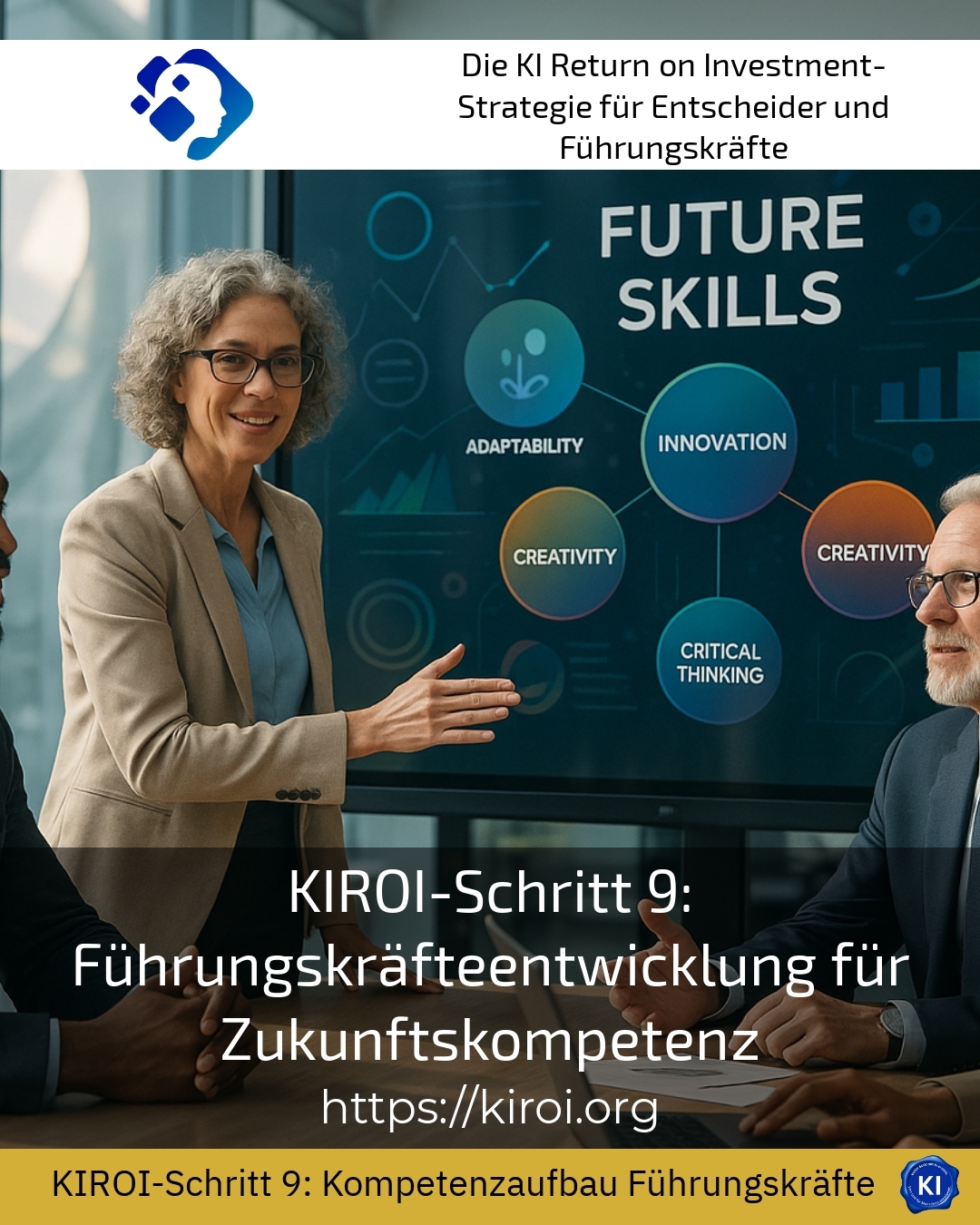
Today's leaders must possess not only technical knowledge but also the ability to lead and motivate teams. This includes future-oriented skills such as tolerance for ambiguity, systemic thinking, and the ability to continuously work on personal and professional development[8][10].
In practice, this means that managers must be able to recognise and proactively react to changes and trends in the industry. This requires a combination of strategic focus, digital expertise, and strong stakeholder management[6][8].
Best practice at an energy utility company (name omitted due to NDA agreement)
A specific leadership development programme was introduced to strengthen AI competencies. Through targeted coaching and practical application scenarios, leaders were able to expand their technological skills. This fostered confidence in discussions with technical experts and created an innovation-friendly corporate culture[5].
My analysis
Overall, leadership development is a crucial factor for the success of companies in an ever-changing world. By promoting future skills and targeted strengthening of leadership qualities, companies can adapt and innovate. Leadership development remains a central building block for future-oriented corporate management.
Further links from the text above:
For more information on leadership development and AI competencies, you can use the following resources:
– Leadership development reimagined
– Future in-demand skills for leaders
For more information and if you have any questions, please contact Contact us or read more blog posts on the topic Artificial intelligence here.











 Deutsch
  English (UK)