
How can leaders ensure that their decisions remain morally acceptable and compliant with regulations in the digital age, while intelligent systems increasingly intervene in business processes and the boundaries between human responsibility and machine autonomy become increasingly blurred?
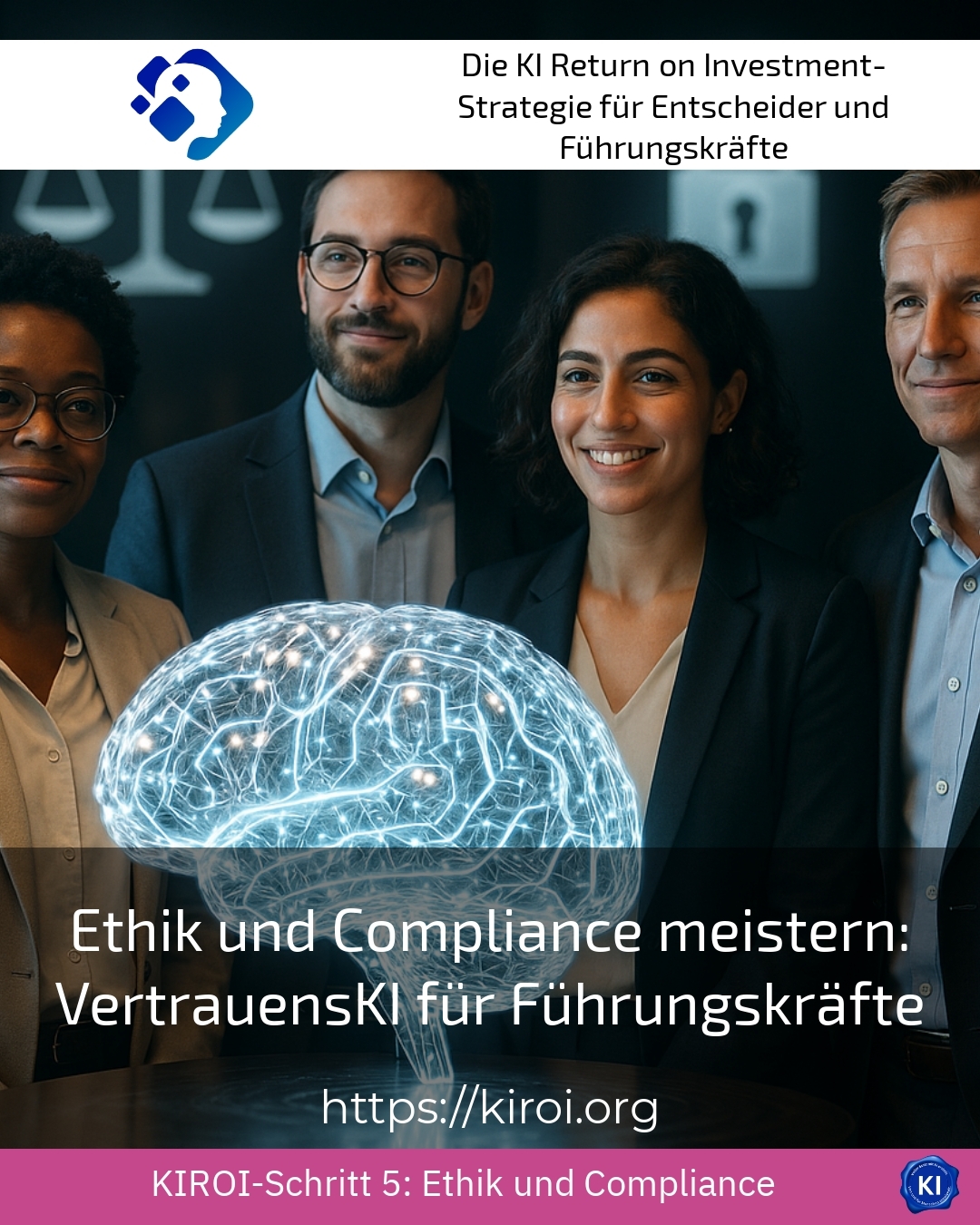
This question concerns decision-makers in almost all industries. They face the challenge of building trust. In doing so, they are supported by Trust AI for executives as a strategic approach. The integration of intelligent technologies into corporate structures requires a fundamentally new understanding of responsible leadership. Clients often report feeling torn between the pressure to innovate and ethical concerns. This is exactly where thoughtful guidance comes into play. It provides the impetus for sustainable solutions.
The new culture of responsibility in corporate management
Leaders in modern organizations face unprecedented challenges. They must ensure transparency while simultaneously securing competitive advantages. In the financial sector, for example, banks use automated credit decision systems. These systems analyze customer data in seconds. However, questions arise regarding fairness and accountability. A leader must understand how such decisions are made. Only then can they account to regulators and customers.
In healthcare, similar patterns are evident. Hospitals are deploying diagnostic support systems. These tools can identify abnormalities in imaging procedures. However, doctors and administrators must retain ultimate decision-making authority. Patient rights and data privacy requirements require the utmost care. The implementation of such technologies is only possible with clear governance structures.
Retail is also fundamentally transforming through intelligent analytics tools. Major retail chains are personalizing offers based on purchase histories. Customers expect relevant recommendations without feeling monitored. Achieving this balance requires a deep understanding of data usage by management. Transruptions coaching can provide valuable guidance here as a support for projects related to these transformation processes.
Trust AI for executives: Understanding the basics
Building trust in technology-driven decision-making begins with education. Leaders do not need to become programmers. However, they do need a solid understanding of how these systems work. In the automotive industry, for example, intelligent systems monitor production lines. They detect quality deviations earlier than human inspectors. Plant managers need to understand the parameters these systems analyze. Only then can they make informed decisions about production releases.
The energy sector offers further insightful examples. Electricity grid operators use predictive models to distribute load. These models optimize the energy flow in real time. Misjudgments can lead to power outages. Executives bear responsibility for grid stability. They must establish control mechanisms that allow human review.
In the insurance industry, algorithms calculate risk assessments. Insurance premiums are calculated based on these assessments. Customers could be disadvantaged by opaque rating systems. Supervisory authorities therefore require transparent decision-making processes. The approach Trust AI for executives supports in the implementation of these requirements in a systematic manner.
Best practice with a AIROI customer
A medium-sized company in the mechanical engineering sector faced a complex challenge when introducing predictive maintenance systems. The management initially expressed significant concerns regarding data usage and employee acceptance. In close collaboration, we initially developed a comprehensive governance framework for the planned implementation. This framework defined clear responsibilities for all levels of the company hierarchy. The factory workers were involved from the outset and received extensive training. Particularly important was the establishment of a feedback mechanism through which employees could anonymously express concerns. The management committed to full transparency regarding the use of machine data. After six months of intensive support, the initial skepticism had transformed into constructive collaboration. Maintenance costs decreased measurably and employee satisfaction simultaneously increased. This project impressively demonstrates how responsible implementation can be achieved.
Practical implementation strategies for decision-makers
The theoretical discussion of accountability issues is not enough. Executives need concrete guidelines for day-to-day operations. In human resources, companies use applicant management systems. These systems filter incoming applications based on predefined criteria. Human resources managers must ensure that no discriminatory patterns emerge. Regular audits of selection decisions create transparency.
The logistics sector optimizes supply chains using predictive analytics. Forwarders plan routes and inventory based on complex calculations. Mispredictions cause delivery delays and customer dissatisfaction. Logistics managers must define escalation processes for system deviations. Human experience remains an indispensable corrective factor.
Media companies curate content through automated recommendation systems. Editors face the challenge of content diversity. Filter bubbles and one-sided information streams endanger public discourse. Responsible leadership requires active shaping of the algorithm parameters. The societal impact of media offerings must be reflected upon.
Regulations and their practical significance
European regulations are increasingly setting binding standards for technology-driven decision-making processes [1]. Companies must integrate these requirements into their processes. In the banking sector, particularly strict requirements apply to automated credit checks. Customers have the right to be informed about the decisions made. Compliance departments work closely with technical teams.
Pharmaceutical companies are subject to strict regulations regarding the use of research data. Drug development benefits from data-driven analytical methods. Patient safety takes top priority. Regulatory authorities require complete documentation of all development stages. Executives must establish processes that ensure this traceability.
The public sector faces particular challenges. Authorities are using intelligent systems to optimize their operations. Citizens expect fair and transparent handling of their requests. Administrative managers must translate democratic core values into technical processes. Trust AI for executives offers important points of reference here [2].
Managing employees in a technological change
The introduction of intelligent systems is fundamentally changing workplaces. Leaders must accompany their teams through this transformation. In call centers, assistance systems support service employees with customer inquiries. The fear of job losses is widespread. Transparent communication about deployment purposes reduces fears.
Accountancy firms automate routine audit procedures. Auditors can focus on more complex analytical tasks. The qualification requirements change accordingly. Human resources development must anticipate and accompany these changes. Continuing education programs ensure long-term employability.
In agriculture, precision farming systems optimize resource use. Farmers use sensor data to target irrigation and fertilization. Traditional knowledge remains indispensable. The combination of human expertise and technical support creates added value. Managers in agricultural enterprises must manage this interplay.
Best practice with a AIROI customer
A retail company with several hundred stores implemented a new personnel planning system with predictive capabilities. The store managers initially expressed massive reservations about the central control of their personnel planning. Together we developed a participatory approach that systematically incorporated local knowledge. The store managers received training to understand the underlying calculation models and became active participants. They were able to adapt system proposals and document justified deviations. This documentation flowed back into the continuous improvement of the overall system. The central team systematically evaluated this feedback and adjusted the model parameters regularly. After one year of intensive collaboration, a constructive feedback culture had established itself. The planning quality improved measurably, and the store managers felt valued as competent partners. This example illustrates how important the human component remains in technological transformations.
Strategic perspectives for sustainable success
Long-term business success requires a sound value orientation. Short-term efficiency gains must not come at the expense of ethical standards. In the telecommunications sector, providers analyze usage behavior to optimize products. Customers trust that their data is handled responsibly. Breaches of trust can lead to significant reputational damage [3].
The tourism industry personalizes travel offerings through preference analysis. Travelers appreciate relevant recommendations, but fear manipulation. Travel operators must inform about data usage transparently. The right to privacy must be balanced with the desire for individualization. Executives must balance these different interests.
Educational institutions are deploying adaptive learning systems. These systems adapt learning content to individual progress. Educators must retain control over educational goals. The development of critical thinking skills must not be sacrificed to optimization. Trust AI for executives also supports in this sensitive area.
My AIROI Analysis
My experience of guiding numerous transformation projects in a wide range of industries has provided me with valuable insights. Today, leaders face the challenging task of reconciling technological progress with human values. This challenge cannot be addressed solely through simple rules or technical solutions. It requires a continuous reflection on our own decision-making practices and an open dialogue with all involved parties.
In my experience, responsible technology integration is most successful when leadership personalities adhere to three key principles. First, they should always prioritize the transparency of their decision-making processes and also communicate complex technical concepts in a comprehensible manner. Second, it is advisable to involve employees and other stakeholders early on, because their perspectives offer valuable corrective feedback and significantly increase the acceptance of change. Third, I recommend establishing regular review cycles to identify and correct unintended consequences.
The organizations I have had the opportunity to work with have shown that ethically-informed technology use need not be a competitive disadvantage. On the contrary, many clients report increased customer trust and improved employee engagement. Transruptive coaching can provide sustainable momentum as a support for projects related to these transformation topics. The future belongs to organizations that understand trust as a strategic resource and build it systematically.
Further links from the text above:
[1] EU Regulatory Framework for Artificial Intelligence
[2] BSI recommendations for the safe use of AI
[3] Bitkom information on artificial intelligence in companies
For more information and if you have any questions, please contact Contact us or read more blog posts on the topic Artificial intelligence here.








 Deutsch
  English (UK)