kiroi.org

KIROI - Artificial Intelligence Return on Invest
The AI strategy for decision-makers and managers

Business excellence for decision-makers & managers by and with Sanjay Sauldie

KIROI - Artificial Intelligence Return on Invest: The AI strategy for decision-makers and managers

KIROI - Artificial Intelligence Return on Invest: The AI strategy for decision-makers and managers

Start » Optimising the Customer Experience: How to Design the Perfect Customer Journey
12 September 2025

Optimising the Customer Experience: How to Design the Perfect Customer Journey

4.9
(1129)

The significance of wanting to optimise the customer experience

The pursuit of optimising the customer experience is a key success factor in numerous industries today. Companies in retail, services, and manufacturing are faced with rising customer demands that go far beyond pure product quality. Customers today expect a well-thought-out and seamless customer journey that is individually tailored to their needs. Therefore, optimising the customer experience means holistically understanding and purposefully designing every phase from the initial contact to after-sales service.

Optimising the customer experience requires companies to not only react, but to act proactively by using customer data sensibly, taking feedback seriously and using technology in a targeted manner. This is the only way to create a connection that binds customers in the long term and emphasises the benefits of products or services more clearly.

Personalised address as the key to customer experience optimisation

A key lever for optimising the customer experience is personalisation. Customers want to feel understood and not like they are receiving mass-produced goods. Modern technologies play a role here, processing customer data so that sales and marketing processes can be individually adapted. In practice, it has been shown that field sales representatives with access to all customer data in real-time can conduct conversations more purposefully, which often leads to greater success in sales.

BEST PRACTICE at XYZ Company (name changed due to NDA agreement) The field sales team uses a mobile app that displays availability, individual prices, and past purchases. This knowledge helps to focus the conversation on current needs, thereby positively shaping the customer experience. At the same time, cross-selling and upselling opportunities, which were previously unexploited, are now opened up.

Digital channels also benefit from personalization. Websites, newsletters, or apps that display personalised content increase user satisfaction and boost the readiness to buy. Customer segmentation enables targeted communication, where customers receive messages that precisely match their preferences.

Targeted Communication and Voice of the Customer as Building Blocks

Optimising the customer experience also includes segmented communication. Customers react positively when they feel addressed and understood. To achieve this, companies divide their customers into relevant groups and tailor messages as precisely as possible. Automated tools ensure efficient management and constant adaptation of campaigns.

BEST PRACTICE at XYZ Company (name changed due to NDA) Following the introduction of segmented communication strategies, brand loyalty noticeably increased. Customers felt better understood, which was reflected in higher satisfaction ratings and repeat purchases. The segmentation was continually maintained and adapted based on customer analyses.

Another important building block is structured feedback systems. Voice-of-Customer programmes systematically collect feedback to gain insights that can be translated into concrete improvements to the customer journey. Targeted surveys also increase the response rate, leading to meaningful data.

BEST PRACTICE at XYZ Company (name changed due to NDA) A concerted use of customer feedback led to closer collaboration between customer service and marketing. This allowed customer concerns to be identified early and addressed proactively, which often resulted in positive feedback. External coaching helped the team implement these insights into concrete improvements.

Technological support for customer experience optimisation

Technology is a crucial factor when it comes to optimising the customer experience. This is not about technology for technology's sake, but about the strategic use of AI, automation and data analysis. These tools help to anticipate customer needs and deliver personalised experiences in real time.

Companies that wisely utilise these technologies can, for example, identify and avoid bottlenecks or process issues early on. This means customer satisfaction is not just measured, but actively managed. Predictive analytics, in particular, create a competitive advantage because they improve the customer experience along the entire journey.

The careful handling of customer data is also essential. Customers expect transparency in how their data is used. A trustworthy data policy therefore also supports the goal of optimising the customer experience.

The customer journey as a holistic design concept

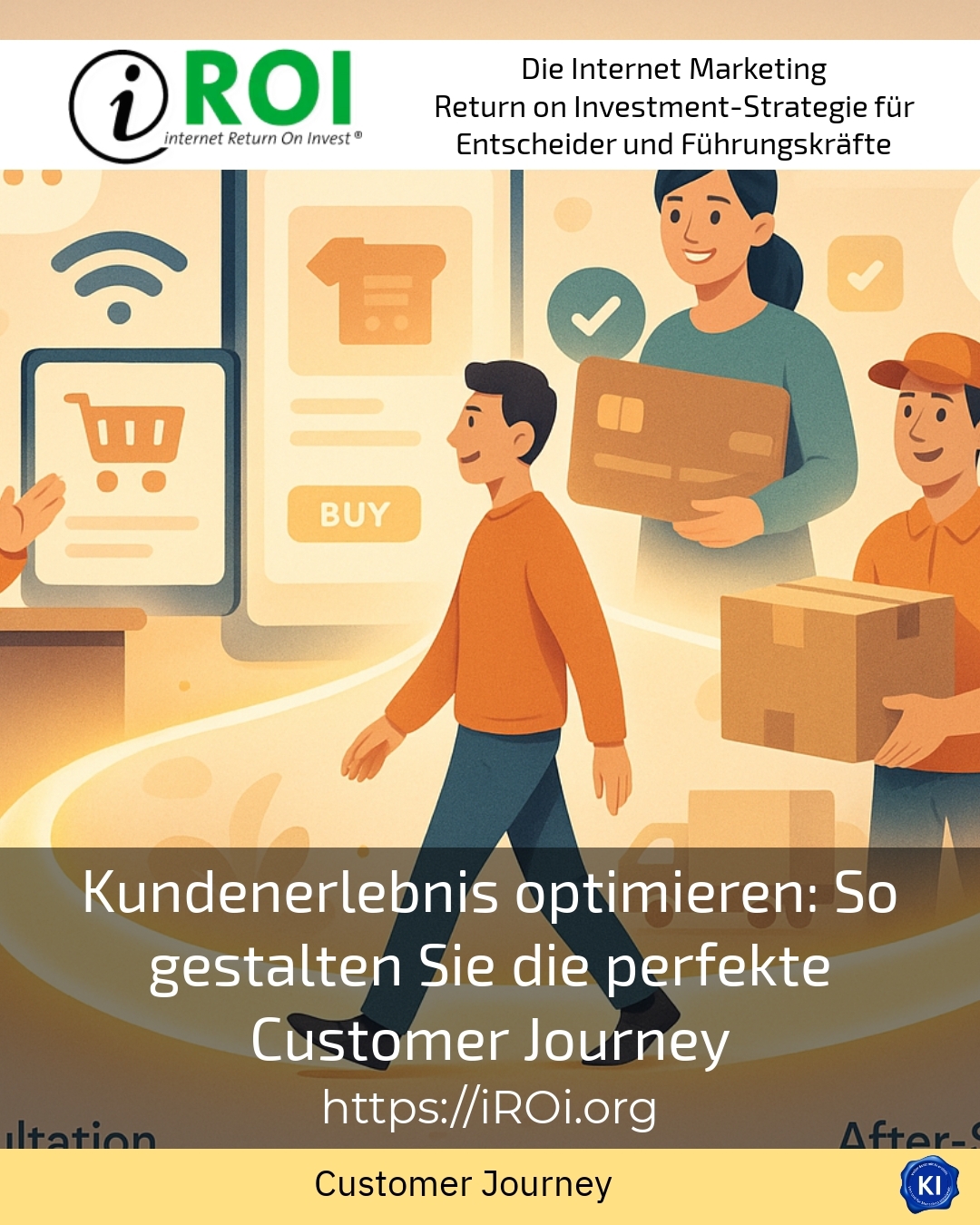
Optimising the customer experience means understanding and managing the customer journey as a holistic concept. This begins with the first point of contact, extends across all channels, and touches all points where a customer interacts with the company. Knowledge of the process and key touchpoints enables targeted measures.

For this control principle to succeed, companies need a clear strategy and a collaborative corporate culture that truly embraces customer centricity. This creates a cycle of positive experiences, which permanently strengthens customer loyalty.

BEST PRACTICE at XYZ Company (name changed due to NDA) By implementing comprehensive journey mapping, customer contact across various channels has been improved. Bottlenecks were identified and eliminated early on. Teamwork was reorganised in terms of customer experience, which overall contributed to an increase in customer satisfaction.

My analysis

Optimising the customer experience is an ongoing process that should be strategically supported. Companies benefit from the systematic use of data, targeted customer engagement, and modern technologies. The integration of feedback and a proactive approach to customer needs are further key factors. It should not be forgotten that trust and transparency play a vital role in fostering sustainable customer relationships. Clients often report that these impulses and continuous support within the framework of transruption coaching help to effectively improve the customer journey and secure long-term competitive advantages.

Further links from the text above:

[1] How to Enhance Customer Experience: Best Practices

[2] Customer Experience Optimisation: How to Secure Your Competitive Advantage

[4] Customer Experience Trends in 2025

[5] Optimising the Customer Experience: How to Manage the Customer Journey

For more information and if you have any questions, please contact Contact us or read more blog posts on the topic TRANSRUPTION here.
How useful was this post?

Click on a star to rate it!

Average rating 4.9 / 5. Vote count: 1129

No votes so far! Be the first to rate this post.

Spread the love

transruption.org

The digital toolbox for
the digital winners of today and tomorrow

Business excellence for decision-makers & managers by and with Sanjay Sauldie

transruption
transruption

transruption: The digital toolbox for
the digital winners of today and tomorrow

Start » Optimising the Customer Experience: How to Design the Perfect Customer Journey
12 September 2025

Optimising the Customer Experience: How to Design the Perfect Customer Journey

4.9
(1129)

The significance of wanting to optimise the customer experience

The pursuit of optimising the customer experience is a key success factor in numerous industries today. Companies in retail, services, and manufacturing are faced with rising customer demands that go far beyond pure product quality. Customers today expect a well-thought-out and seamless customer journey that is individually tailored to their needs. Therefore, optimising the customer experience means holistically understanding and purposefully designing every phase from the initial contact to after-sales service.

Optimising the customer experience requires companies to not only react, but to act proactively by using customer data sensibly, taking feedback seriously and using technology in a targeted manner. This is the only way to create a connection that binds customers in the long term and emphasises the benefits of products or services more clearly.

Personalised address as the key to customer experience optimisation

A key lever for optimising the customer experience is personalisation. Customers want to feel understood and not like they are receiving mass-produced goods. Modern technologies play a role here, processing customer data so that sales and marketing processes can be individually adapted. In practice, it has been shown that field sales representatives with access to all customer data in real-time can conduct conversations more purposefully, which often leads to greater success in sales.

BEST PRACTICE at XYZ Company (name changed due to NDA agreement) The field sales team uses a mobile app that displays availability, individual prices, and past purchases. This knowledge helps to focus the conversation on current needs, thereby positively shaping the customer experience. At the same time, cross-selling and upselling opportunities, which were previously unexploited, are now opened up.

Digital channels also benefit from personalization. Websites, newsletters, or apps that display personalised content increase user satisfaction and boost the readiness to buy. Customer segmentation enables targeted communication, where customers receive messages that precisely match their preferences.

Targeted Communication and Voice of the Customer as Building Blocks

Optimising the customer experience also includes segmented communication. Customers react positively when they feel addressed and understood. To achieve this, companies divide their customers into relevant groups and tailor messages as precisely as possible. Automated tools ensure efficient management and constant adaptation of campaigns.

BEST PRACTICE at XYZ Company (name changed due to NDA) Following the introduction of segmented communication strategies, brand loyalty noticeably increased. Customers felt better understood, which was reflected in higher satisfaction ratings and repeat purchases. The segmentation was continually maintained and adapted based on customer analyses.

Another important building block is structured feedback systems. Voice-of-Customer programmes systematically collect feedback to gain insights that can be translated into concrete improvements to the customer journey. Targeted surveys also increase the response rate, leading to meaningful data.

BEST PRACTICE at XYZ Company (name changed due to NDA) A concerted use of customer feedback led to closer collaboration between customer service and marketing. This allowed customer concerns to be identified early and addressed proactively, which often resulted in positive feedback. External coaching helped the team implement these insights into concrete improvements.

Technological support for customer experience optimisation

Technology is a crucial factor when it comes to optimising the customer experience. This is not about technology for technology's sake, but about the strategic use of AI, automation and data analysis. These tools help to anticipate customer needs and deliver personalised experiences in real time.

Companies that wisely utilise these technologies can, for example, identify and avoid bottlenecks or process issues early on. This means customer satisfaction is not just measured, but actively managed. Predictive analytics, in particular, create a competitive advantage because they improve the customer experience along the entire journey.

The careful handling of customer data is also essential. Customers expect transparency in how their data is used. A trustworthy data policy therefore also supports the goal of optimising the customer experience.

The customer journey as a holistic design concept

Optimising the customer experience means understanding and managing the customer journey as a holistic concept. This begins with the first point of contact, extends across all channels, and touches all points where a customer interacts with the company. Knowledge of the process and key touchpoints enables targeted measures.

For this control principle to succeed, companies need a clear strategy and a collaborative corporate culture that truly embraces customer centricity. This creates a cycle of positive experiences, which permanently strengthens customer loyalty.

BEST PRACTICE at XYZ Company (name changed due to NDA) By implementing comprehensive journey mapping, customer contact across various channels has been improved. Bottlenecks were identified and eliminated early on. Teamwork was reorganised in terms of customer experience, which overall contributed to an increase in customer satisfaction.

My analysis

Optimising the customer experience is an ongoing process that should be strategically supported. Companies benefit from the systematic use of data, targeted customer engagement, and modern technologies. The integration of feedback and a proactive approach to customer needs are further key factors. It should not be forgotten that trust and transparency play a vital role in fostering sustainable customer relationships. Clients often report that these impulses and continuous support within the framework of transruption coaching help to effectively improve the customer journey and secure long-term competitive advantages.

Further links from the text above:

[1] How to Enhance Customer Experience: Best Practices

[2] Customer Experience Optimisation: How to Secure Your Competitive Advantage

[4] Customer Experience Trends in 2025

[5] Optimising the Customer Experience: How to Manage the Customer Journey

For more information and if you have any questions, please contact Contact us or read more blog posts on the topic TRANSRUPTION here.
How useful was this post?

Click on a star to rate it!

Average rating 4.9 / 5. Vote count: 1129

No votes so far! Be the first to rate this post.

Spread the love

Other content worth reading:

Optimising the Customer Experience: How to Design the Perfect Customer Journey

written by:

Keywords:

#CustomerJourney #Customer experience #Customer feedback #Personalisierung #Technologieakzeptanz

Follow me on my channels:

Questions on the topic? Contact us now without obligation

Contact us

[wpforms id="331781" title="false"]

More articles worth reading

    Leave a comment