
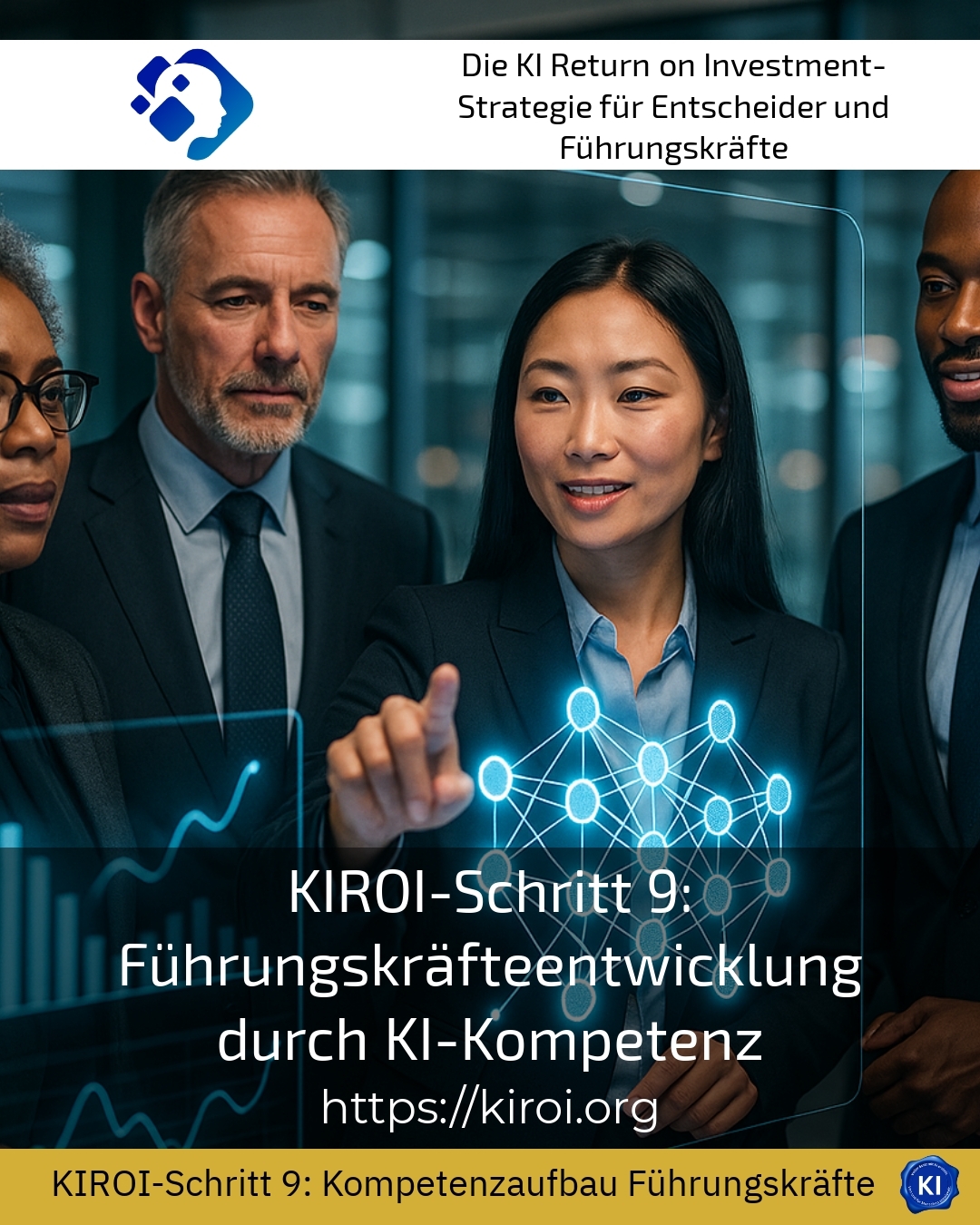
Leadership development plays a crucial role in the targeted promotion of leadership skills within companies. This method encompasses a variety of measures and tools aimed at positively influencing and further developing the thinking and actions of leaders. The focus is on both current leadership positions and promising junior staff who are to be prepared for future leadership roles. Leadership development is a central component of general personnel development and serves to sustainably stabilise and strengthen companies in the market through the promotion of voluntary, informal, and formal learning processes.
Methods of management development
In leadership development, various methods and concepts are employed to effectively support the development of leadership competencies. These include coaching, mentoring, seminars, workshops, as well as 360-degree feedback and job rotation[1][4].
Coaching offers individual support, focusing on the specific strengths and weaknesses of leaders. Mentoring is a long-term support scheme where experienced leaders share their knowledge with less experienced colleagues. Seminars and workshops are ideal for imparting specific skills and knowledge, while 360-degree feedback provides a comprehensive perspective on leadership performance.
Another approach is job rotation, which helps to promote a broader understanding of business processes. This method is often used in companies to strengthen the leadership maturity of managers through practical experience[1][6].
Integration of AI competence into leadership development
The integration of AI proficiency into leadership development offers new opportunities for making data-driven decisions and increasing the efficiency of leadership processes. Companies can utilise AI applications to analyse the skills of leaders and design targeted development programmes. AI-powered learning platforms enable the provision of individualised training measures that flexibly adapt to the needs of leaders.
Practical applications of AI
One example of integrating AI into leadership development is the use of AI-powered analytics tools to better understand leadership performance. These tools can aggregate data from various sources, helping to identify strengths and weaknesses more precisely[7].
Another example is the implementation of AI-driven coaching platforms. These systems make it possible to create individual learning paths that are tailored to the specific needs and goals of the executives[6].
Leadership development as a strategic success factor
Leadership development is a crucial strategic success factor for companies. It not only helps to strengthen the leadership maturity of existing managers but also lays the foundation for building a strong talent pool. Through the targeted promotion of junior staff, companies can ensure that they are able to fill critical positions in the long term and maintain flexibility in an ever-changing market[8].
An example of this is the implementation of mentoring programmes, which enable young talent to learn from experienced leaders and receive valuable career impetus. Such programmes not only contribute to personal development but also promote long-term employee retention within the company[4].
Sustainable implementation
To sustainably implement leadership development, it is important to conduct regular evaluations. This includes gathering feedback from mentors, mentees, and involved colleagues to review the effectiveness of the measures and adapt them if necessary[2].
BEST PRACTICE with one customer (name hidden due to NDA contract)A manufacturing company introduced a comprehensive mentoring programme, enabling junior executives to develop their skills through real-world projects and the guidance of experienced mentors. This programme significantly contributed to strengthening the company's international market position and substantially improving the leadership maturity of its emerging talent.
My analysis
In summary, leadership development is a crucial aspect of personnel development that helps companies strengthen their leadership capabilities and plan strategically for the future. By integrating AI competencies, these processes can be further optimised to make data-driven decisions and increase the efficiency of leadership processes. It is important for companies to pursue a closed systematic approach, ranging from the identification of development needs to the evaluation of implementation.
Further links from the text above:
– Forum Publishing: Leadership Development
– Brainershubs: Leadership Development – Trends and Measures
– Rainmaker Society: Leadership Development – Concept and Methods
– Factorial HR: Management Development – Methods and Concepts
– Personio: Leadership Development – The HR Guide
For more information and if you have any questions, please contact Contact us or read more blog posts on the topic Artificial intelligence here.









 Deutsch
  English (UK)