
Why do so many companies fail to implement intelligent technologies despite the systems functioning technically flawlessly?
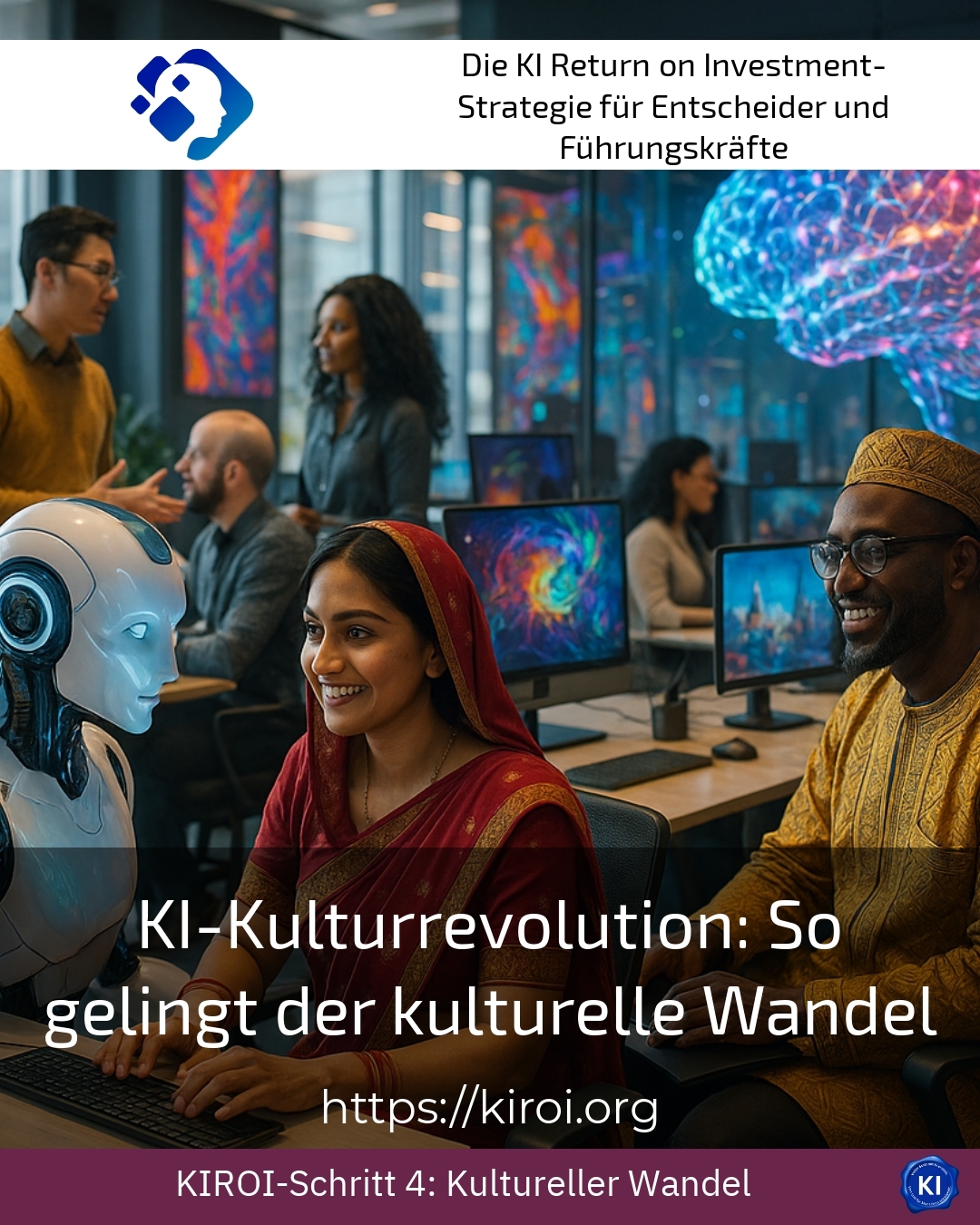
The answer rarely lies in the software. It lies deep within the structures, habits, and beliefs of people. AI Culture Revolution This article describes exactly this change, which goes far beyond technical implementation. Clients often report that their workforce reacts skeptically. Employees fear for their jobs. Executives do not fully understand the new possibilities. This creates resistance that even the best technology cannot overcome. This article shows how cultural change can be achieved. It provides concrete examples and practical insights for your organization.
The invisible barrier: Why technology alone is not enough
Many organizations invest substantial sums in modern systems. They purchase licenses, train administrators, and set up servers. Yet the hoped-for results often remain elusive. The reason is simple but far-reaching. Technology fundamentally changes work processes. People must rethink their habitual routines. This creates uncertainty and sometimes even fear.
For example, a medium-sized manufacturing company implemented an intelligent maintenance system. The software was able to predict machine failures with precision. Technically, everything worked smoothly. But the experienced technicians felt left behind. They had built up their expertise over decades. Now, a software system was supposed to replace their expertise. The result was passive resistance. The employees largely ignored the system’s suggestions. Only when the management took the cultural aspect seriously did the situation change.
A logistics company faced similar challenges in route optimization. The drivers relied more on their own experience. They regularly circumvented the proposed routes. A trading company, on the other hand, struggled with the acceptance of automated ordering systems. The buyers feared losing their strategic importance. These examples clearly show that change begins in the mind.
Understanding the AI cultural revolution: Putting people at the center
The term AI Culture Revolution describes a profound process of change. It is not just about new tools. It is about new ways of thinking and working. Organizations must actively shape their culture. They must create spaces for dialogue and reflection. Only in this way can real change emerge.
Transruptions coaching helps companies address these very challenges. It supports understanding resistance. It provides the impetus for constructive conversations between generations. Clients often report hidden fears within their teams. These fears block the transformation more effectively than any technical problem.
For example, an insurance company belatedly recognized the need for cultural change. Automated claims processing was technically advanced. But the claims officers subtly sabotaged the system. They intentionally recorded data incompletely. They continued to use old processes in parallel. Only intensive dialogue formats brought to light the real concerns.
A pharmaceutical company, in turn, invested early in cultural support. The research department was to use intelligent analysis tools. The scientists were involved from the very beginning. They were able to contribute to and test the systems. The result was significantly higher acceptance.
Leaders as carriers of the AI cultural revolution
Leaders play a crucial role in cultural change. Their behavior shapes the organization’s norms. When they themselves are skeptical, that is passed on. When they experiment openly, others are encouraged to do the same. The role of role models cannot be overstated.
One automotive supplier experienced this firsthand. The CEO demonstratively used the new analysis tools. He openly presented his findings during management rounds. He also discussed his own uncertainties and learning processes. This authenticity had a contagious effect on the entire organization.
One media company took a different approach with similar success. The editor-in-chief publicly took training from younger colleagues. She showed humility and genuine willingness to learn. This permanently changed the atmosphere within the entire editorial team.
A construction company, in turn, created special learning spaces for executives. There they were able to experiment without pressure to perform. They were allowed to make mistakes and learn from them. This psychological safety was crucial for the change.
Best practice with a AIROI customer A traditional family business in the food industry faced a special challenge, as the third generation wanted to introduce modern technologies while the experienced employees clung to proven methods. The management decided on a gentle approach with intensive cultural support through transruptive coaching. First, we conducted individual interviews with key personnel from all departments to understand the real concerns and hopes. It became clear that many employees were not fundamentally against change, but felt left out and not heard. We established mixed teams of experienced and younger colleagues who jointly developed new solutions. The older employees brought their valuable process knowledge, while the younger ones contributed technical understanding. After eight months, the mood had fundamentally changed, and today the employees are proud of their progress. The company was able to significantly increase its production efficiency without losing valuable experience.
Communication as the key to cultural change
Open communication forms the foundation of any successful transformation. People need information to build trust. They also need spaces to express their concerns. Many organizations significantly underestimate this aspect.
A telecommunications company introduced regular dialogue forums where all employees could ask questions. The management responded transparently and honestly. Uncomfortable questions were not ignored either. This openness built trust.
One bank chose a different communication approach with similar success. They produced internal podcasts for employees of all levels. People there shared their personal experiences. They talked about fears, surprises, and successes. These authentic stories resonated more strongly than any presentation.
An energy provider used visual communication very successfully. Large infographics showed the progress of the transformation. They made abstract changes tangible and concrete. Employees were able to place themselves in the story.
Constructively use and transform resistance
Resistance is not inherently negative. It often contains valuable information about blind spots. Smart organizations listen carefully. They use critical voices to improve their strategy.
A chemical company turned skeptical employees into official critics. They were supposed to point out weaknesses in the new systems. Their expertise was valued rather than ignored. This transformed potential opponents into constructive partners.
A group of hospitals took a similar approach when introducing diagnostic support systems. The most skeptical doctors were involved in the development process. They were able to bring their medical expertise to the table. The result was better systems and higher acceptance.
One retail company even created an official position of the Advocatus Diaboli. This person was supposed to critically question all new initiatives. The institutionalized constructive criticism throughout the company.
The AI cultural revolution in practice: steps towards success
Cultural change takes time and systematic action. Quick solutions rarely work with profound changes. Organizations should plan realistic timeframes. They should also accept setbacks as normal parts of the process.
The first step is always an honest assessment of the current situation. Where does the organization stand culturally? What values are actually being lived by the employees? What fears and hopes exist within the workforce? This diagnosis forms the basis for all further measures.
A mechanical engineering company used anonymous surveys for this diagnosis. The results significantly surprised the management. Many employees were more open to change than expected. But they did not feel sufficiently informed and included.
A tourism company conducted ethnographic studies within its departments. External observers analyzed work processes and communication patterns. The insights gained were extremely insightful for the transformation strategy.
A textile manufacturer organized future workshops with employees of all levels. There, they jointly developed visions for the transformed organization. This participatory approach created ownership and engagement.
Best practice with a AIROI customer An international service company with several thousand employees came to us with a specific problem, because despite significant investments in modern systems, the transformation in several country-based companies stagnated completely. Analysis revealed a multifaceted picture of cultural barriers that manifested differently depending on the region. In some countries, a pronounced hierarchical culture dominated, hindering independent experimentation, while in other regions silo thinking blocked the necessary cross-functional collaboration. We developed a differentiated approach that respected cultural differences while emphasizing common values. Local change agents were trained and given the freedom to develop context-appropriate solutions. Regular international exchange formats promoted learning from each other without leveling cultural differences. After one and a half years, all the country-based companies reported significant progress, with the speed and concrete measures varying depending on the cultural context. The company has now documented these experiences in an internal handbook that serves as a guide for further transformations.
Ensuring sustainability in cultural change
Cultural changes must be embedded in the organization. Otherwise, people quickly revert to old patterns. Structures and processes should support the change. Incentives should encourage the desired behavior.
A financial services provider adjusted its hiring criteria accordingly. In addition to professional competence, digital learning readiness was now also considered. Executives had to actively demonstrate a willingness to change. This sent a clear signal to the entire organization.
A consumer goods manufacturer integrated cultural aspects into its target agreements. Teams were not only measured on business results; collaboration and a willingness to innovate were also factored into the evaluation.
A hotel chain created new roles specifically for cultural change. So-called Culture Champions coordinated the transformation in their respective areas. They were at the same time contact persons, moderators and role models.
My AIROI Analysis
The intense discussion on the topic clearly shows that cultural change is the decisive success factor in any technological transformation, and organizations that neglect this aspect risk the failure of their entire investment. The presented examples from various industries illustrate that successful transformations always put people at the center, while technical excellence is necessary but never sufficient. Particularly noteworthy is the insight that resistance often contains valuable information and can be used constructively rather than ignored or combated. Leaders bear a special responsibility as role models and cultural carriers, because their behavior shapes the norms and expectations in their teams more profoundly than any official directive. Communication forms the binding element of all successful transformations, with transparency, authenticity, and a willingness to engage in genuine dialogue being crucial. AI Culture Revolution Transruptive coaching is not a one-time project, but a continuous development process that requires patience, resources, and genuine commitment. Transruptive coaching can accompany organizations on this challenging journey and provide valuable insights, while the actual work must always take place within the organization itself. My analysis also shows that there are no universal success formulas; each organization must find its own path that fits their specific culture, history, and industry. The presented best practices provide guidance and inspiration, but not a blueprint for guaranteed success that can be copied.
Further links from the text above:
[1] McKinsey: Culture in the Age of AI
[2] Harvard Business Review: AI and Human Collaboration
[3] World Economic Forum: AI Workplace Culture Transformation
[4] MIT Sloan: How to Build a Data Culture
For more information and if you have any questions, please contact Contact us or read more blog posts on the topic Artificial intelligence here.








 Deutsch
 English (UK)