
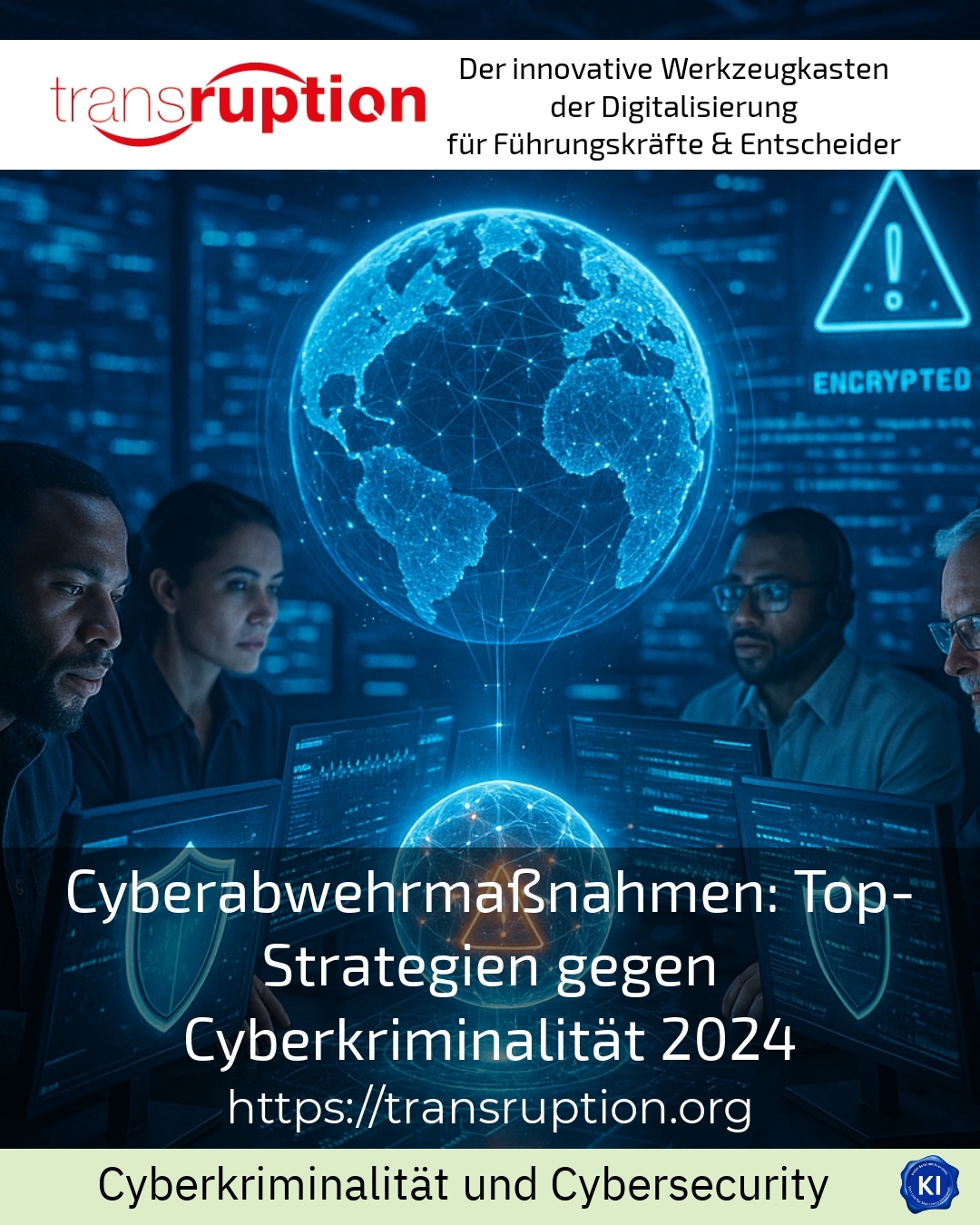
In an era where digital transformation and connectivity are increasingly becoming commonplace, cyber defence measures are gaining crucial importance. Businesses of all sizes are facing a growing number of attacks. The threats are diverse, ranging from phishing and ransomware to sophisticated supply chain attacks. Cyber defence measures are therefore no longer just a technical issue, but a strategic component of corporate management.
Why cyber defence measures are indispensable today
The attack surfaces have significantly increased due to digitalisation. Small and medium-sized enterprises, in particular, often underestimate their vulnerability. However, large organisations with high security standards are not immune either. Cyber defence measures help to identify and effectively counter risks. They protect not only data but also the trust of customers and partners.
Real-world examples show: A medium-sized manufacturer was paralysed for days by a ransomware attack. The costs for recovery and downtime were enormous. Another company suffered data loss due to a phishing attack, which led to reputational damage. Cyber defence measures are also crucial in healthcare to protect sensitive patient data.
Current Trends and Challenges
AI-powered attacks and new technologies
Artificial intelligence is used not only for defence but also by attackers. AI-powered phishing emails are harder to detect. Attacks via QR codes or malicious browser extensions are also increasing. Companies must continuously adapt their cyber defences to keep pace with these developments.
For example, an online shop was attacked by formjacking. Malicious code was injected into web forms to intercept customer data. Another company suffered a credential stuffing attack, where stolen login details were used for multiple accounts. Man-in-the-middle attacks, where communication is intercepted, are also a common risk.
Vulnerabilities in networked systems
With the increasing number of connected devices, new attack vectors are emerging. IoT devices are often inadequately secured, providing attackers with access to sensitive systems. Cyber defence measures must therefore also be targeted at these devices.
For example: A company was attacked through a vulnerability in an IoT device. This allowed the attackers to access the entire network. Another company suffered data loss through an attack on its cloud infrastructure. Hybrid data centres also require special security measures to protect data and applications.
Best Practices for Effective Cyber Defences
Strategic Integration and Responsibility
Cybersecurity measures should be strategically integrated into corporate management. Consolidating responsibility in a central role, such as the Chief Information Security Officer (CISO), is an important step. Training and awareness programmes for employees help to reduce human error.
For example, one company conducted regular training on information security and data protection. This raised employee awareness and enabled them to recognise attacks more quickly. Another company used an Information Security Management System (ISMS) according to ISO/IEC 27001 to systematically identify and assess risks.
Technical measures and audits
Technical measures such as virus scanners, multi-factor authentication, and the setting of access rights are essential. Regular audits by external specialists help to identify and fix vulnerabilities.
For example, one company conducted regular audits, enabling them to identify weaknesses in their IT infrastructure at an early stage. Another company used multi-factor authentication to protect access to sensitive data. The use of secure data storage and detection technologies is also an important component of cyber defence measures.
BEST PRACTICE at the customer (name hidden due to NDA contract) A medium-sized company in the manufacturing sector had repeatedly struggled with phishing attacks. By introducing an ISMS and providing regular employee training, the number of successful attacks was significantly reduced. Additionally, technical measures such as multi-factor authentication and regular audits were implemented. The combination of strategic integration and technical measures has sustainably strengthened the company's cyber defences.
My analysis
Cyber defence measures are a central component of business strategy today. They not only protect against attacks but also strengthen the trust of customers and partners. Continuous adaptation to new threats and technologies is crucial. Strategic integration, technical measures, and regular training are the cornerstones of effective cyber defence measures.
Further links from the text above:
Cybersecurity: Ten important trends for 2024
Cyber Security in Germany | Strategy&
Innovative Strategies for Businesses in 2024
Cyber Threats 2024: Trends and Outlook
Cyber security strategy for Germany 2021
Top 7 Cybersecurity Trends in 2024
German cyber security strategy under discussion
The Top 5 Cybersecurity Trends in 2024
Cyber Attacks: How Companies Protect Themselves
For more information and if you have any questions, please contact Contact us or read more blog posts on the topic TRANSRUPTION here.










 Deutsch
  English (UK)