
How can leaders in the textiles industry ensure that algorithmic systems operate not only efficiently, but also responsibly?
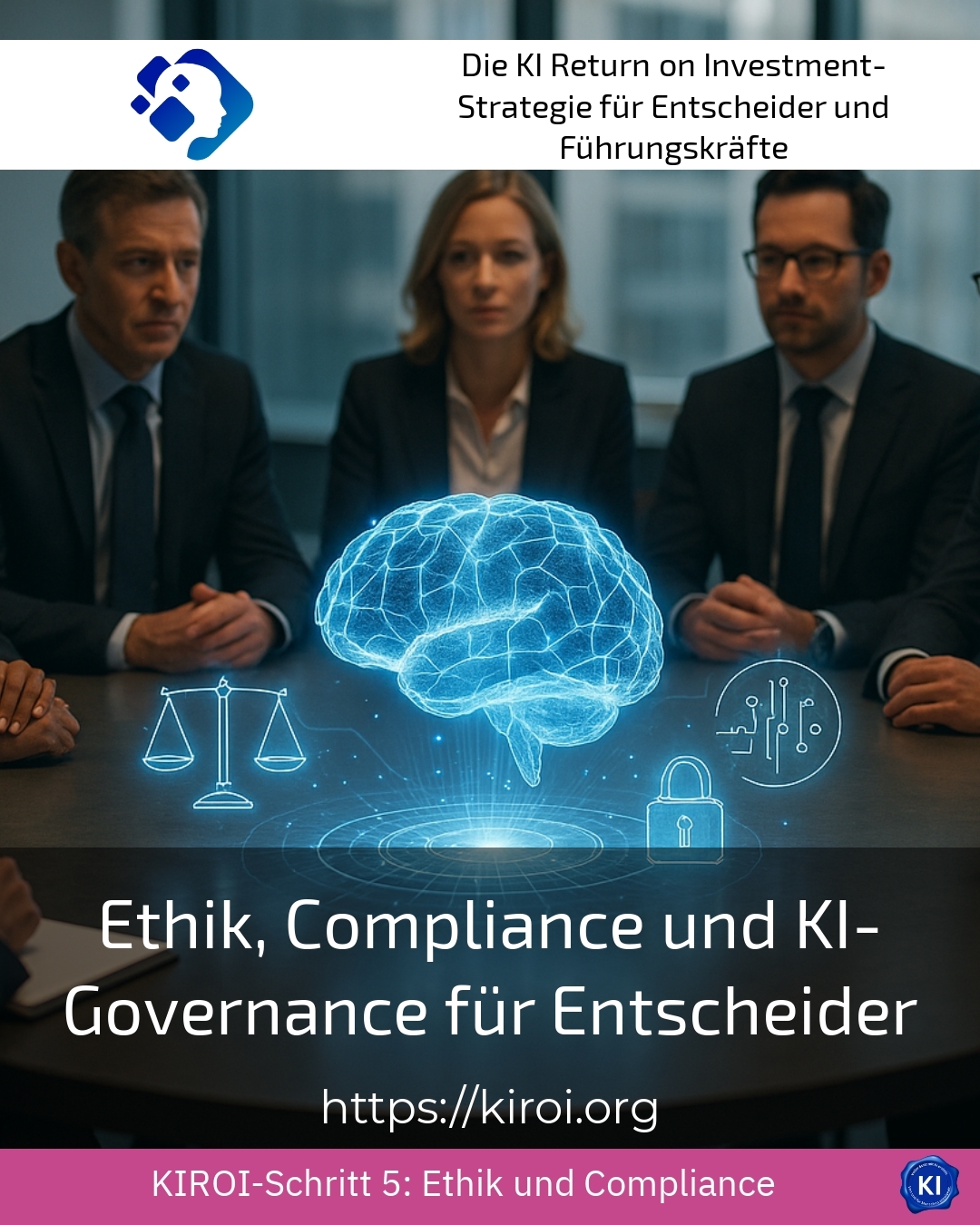
This question is currently occupying numerous decision-makers in an industry traditionally characterised by fast production cycles and global supply chains. The introduction of automated decision-making systems promises enormous efficiency gains, but at the same time raises fundamental questions regarding Ethics, Compliance and AI Governance , which go far beyond technical implementations. Fashion and textile companies face the challenge of designing their digital transformation processes in such a way that they not only generate economic success, but also comply with ethical principles. In a world where consumers increasingly demand transparency and regulatory requirements are steadily growing, the responsible management of intelligent systems is becoming a decisive competitive factor.
The new responsibility in the fashion and textile industry
The textiles industry is undergoing a profound transformation. Automated systems are taking over tasks in quality control. They analyse fabric patterns for weaving flaws. Algorithms forecast fashion trends and control production volumes. These developments are revolutionising the entire value chain.
For example, a major fashion retailer uses intelligent image recognition systems that evaluate fabric qualities in fractions of a second and make decisions on the acceptance or rejection of deliveries, a task previously performed by experienced specialists in time-consuming manual processes. Another manufacturer relies on forecasting algorithms that predict sales figures and automatically trigger reorders with suppliers in order to avoid overproduction. A third company uses systems that monitor working hours in Asian production facilities and generate automatic warnings in the event of deviations from agreed standards.
Yet who bears the responsibility when a system makes flawed decisions? What happens when algorithms systematically disadvantage certain suppliers? These questions demand clear answers. They require well-thought-out governance structures.
Ethics, compliance and AI governance as a strategic necessity
The establishment of solid governance structures is no longer an optional extra. It is developing into a strategic necessity. European regulations such as the AI Act are setting binding frameworks [1]. These requirements particularly affect companies with complex supply chains.
This is demonstrated concretely in the textile sector through several examples: A clothing group recently had to fundamentally revise its automated application screening systems for sewing machine operators after it was discovered that the algorithm systematically filtered out older applicants. A sporting goods manufacturer was faced with critical questions when it became known that its supplier evaluation system disadvantaged factories in certain regions. Meanwhile, a luxury fashion house made headlines because its trend forecasting software was based on training data that underrepresented certain body shapes and cultural preferences.
Best practice with a AIROI customer
A medium-sized textile manufacturer from southern Germany turned to transruptions-Coaching because it was facing a complex challenge. The company had made significant investments in automated quality control systems. These systems assessed incoming fabric deliveries and autonomously made decisions regarding complaints. However, complaints from long-standing supply partners in Portugal and North Africa were piling up. They felt disadvantaged by the system. As part of the AIROI support, a comprehensive analysis of the decision-making patterns was first carried out. This revealed that the system was based on training data that largely originated from northern European production facilities. Certain weaving techniques and material properties that were common in southern regions were therefore systematically rated more poorly. Together with the company, we developed a governance framework that provides for regular audits of the algorithmic decisions. We established an ethics advisory board with external experts. In addition, we created transparent complaint channels for affected suppliers. The training data was diversified and supplemented with expertise from various production regions. The result was a significant improvement in supplier relationships while simultaneously maintaining high quality standards.
Transparency as a cornerstone of responsible systems
Transparency forms the foundation of every credible governance structure. Decision-makers must understand how their systems work. They must be able to explain why certain decisions are made. This applies particularly to sensitive areas.
In the textile industry, this affects numerous fields of application: pricing by online fashion retailers, where algorithms calculate dynamic prices in real time and customers may receive different offers, requires transparent communication. The allocation of production orders to various factories, where systems weigh up capacities, costs and delivery times, must be traceable. The selection of influencers for marketing campaigns, which is increasingly suggested by algorithms, should be based on explainable criteria.
For example, a leading fashion company has developed a dashboard that enables managers to trace every automated decision-making step and request human reviews when necessary, which has significantly increased trust in the systems [2].
Practical implementation of ethics, compliance and AI governance
Practical implementation requires structured approaches. It begins with an inventory of all deployed systems. It continues with risk classifications. It culminates in continuous monitoring processes.
For the textile sector, certain measures have proven particularly effective: the establishment of interdisciplinary committees bringing together representatives from production, IT, legal and sustainability departments enables a holistic assessment of the deployed systems. Training managers in ethical issues raises awareness of potential problem areas. The integration of compliance audits into existing quality management systems makes efficient use of existing structures.
An outdoor clothing manufacturer frequently reports positive experiences with so-called ethics sprints, in which teams use short, intensive workshops to game out potential impacts of new systems before they are implemented. Another sustainable fashion brand has appointed an algorithm officer who acts as a central point of contact for all questions relating to automated decision-making. A third player, a large textile retail group, has commissioned external auditors to carry out regular, unannounced audits of its systems [3].
Supply chain monitoring as a practical example
The monitoring of global supply chains illustrates the complexity of responsible governance particularly clearly. The textile industry is notorious for convoluted supply structures. Automated systems promise transparency and control here.
Numerous companies now rely on intelligent systems that analyse satellite imagery to detect illegal deforestation for viscose production, evaluate social data from production regions to flag potential labour rights violations, or monitor transport data to identify unauthorised subcontractors. These systems can provide support and valuable insights, but they do not replace human judgement and direct cooperation with local partners.
Best practice with a AIROI customer
An international fashion group headquartered in Europe was looking for ways to improve its supply chain transparency. The company worked with several hundred suppliers across various continents. Previous monitoring approaches had been fragmented and lacked systemisation. As part of our transruptions coaching support, we jointly developed a multi-stage approach for Ethics, Compliance and AI Governance in this sensitive area. First, we mapped all data sources relevant to monitoring. We identified areas of risk and defined ethical guidelines for the use of automated analysis systems. A central element was the inclusion of voices from the production countries themselves. We organised workshops with local NGOs and worker representatives. They provided valuable feedback on the planned monitoring approaches. They pointed out cultural nuances that might be misinterpreted by algorithms. The resulting system combines automated monitoring with regular personal visits and establishes clear escalation pathways for identified issues. It also includes mechanisms to prevent individual suppliers from being prematurely dropped due to temporary anomalies. Instead, dialogue and improvement processes are prioritised.
The role of leaders in digital transformation
Leaders bear a special responsibility in shaping digital transformation. Through their decisions, they shape the corporate culture. They set priorities and provide resources. They are role models for ethical behaviour.
In the textiles industry, this is evident in various dimensions: a fashion retailer's CEO decided against using certain personalization algorithms because they would have offered customers different prices based on perceived willingness to pay, thereby setting a clear signal for fairness. A production manager at a sportswear manufacturer insisted that automated shift planning systems should not squeeze out the last percentage points of efficiency, but rather respect employees' work-life balance. A purchasing director at a luxury label demanded that supplier selection systems not only optimise costs and delivery times, but also take account of long-term partnerships and regional diversity [4].
These examples show that technical possibilities do not automatically lead to ethically justifiable applications. It requires conscious decisions by people who take their responsibility seriously.
Compliance as a continuous process
Compliance in the context of automated systems is not a one-off project. It is an ongoing process. Regulatory requirements evolve. Technologies change rapidly. Societal expectations are continuously shifting.
For textile companies, this means specifically: The regular review of all systems in use to ensure compliance with current regulations must be anchored in annual planning. The documentation of decision-making processes should be designed in such a way that it is quickly available in the event of regulatory enquiries. The training of employees on ethical and legal aspects must become part of staff development.
A major fashion retailer has established a system whereby every change to automated decision-making processes undergoes a structured compliance check. A workwear manufacturer conducts semi-annual reviews in which all algorithmic systems are examined for unintended bias. An online fashion retailer has implemented a process whereby customer complaints regarding suspected algorithmic discrimination are systematically recorded and evaluated.
My AIROI Analysis
The textile industry stands at a crossroads. The integration of automated systems offers enormous opportunities. At the same time, it harbours significant risks. The way in which companies Ethics, Compliance and AI Governance shape, will significantly influence their long-term success.
My experience from numerous mentoring projects clearly shows that companies which invest in robust governance structures early on avoid costly retrofitting. They build trust with customers, employees and business partners. They position themselves as responsible players in an industry that is traditionally viewed with critical eyes. Successful implementation requires more than technical know-how. It calls for a cultural shift. Leaders must have the courage to ask difficult questions. They must be prepared to forgo short-term efficiency gains if ethical concerns arise. They must create structures where employees can raise concerns without fearing negative consequences. transruptions-Coaching accompanies companies on this journey. We provide impetus and support in the development of tailored governance concepts. We bring experience from various industries and help learn from the successes and failures of others. The path to responsible automated systems is not easy. It requires continuous attention and adaptation. But it is essential for any company that wants to remain successful in the future.
Further links from the text above:
[1] EU Artificial Intelligence Act – Official Information
[2] McKinsey Retail Insights – Transparency in algorithmic systems
[3] Business for Social Responsibility – Governance Best Practices
[4] Fashion Revolution – Transparency and Responsibility in the Fashion Industry
For more information and if you have any questions, please contact Contact us or read more blog posts on the topic Artificial intelligence here.










 Deutsch
  English (UK)