
When it comes to tool evaluation, the focus is on finding and assessing the right tools for your company. This process is crucial to ensure that the chosen tools optimally support your requirements and processes. In this article, we will explain the various steps and aspects of tool evaluation and show how companies can successfully implement them.
## Tool Evaluation: The Key to Success
Tool evaluation is a systematic process divided into several phases. Firstly, it involves clearly defining the company's requirements and objectives. This includes identifying the must-have and nice-to-have functionalities necessary for the successful integration of the tools[7]. Companies such as Infineon and Wacker use these approaches to adapt their tools to specific needs[1].
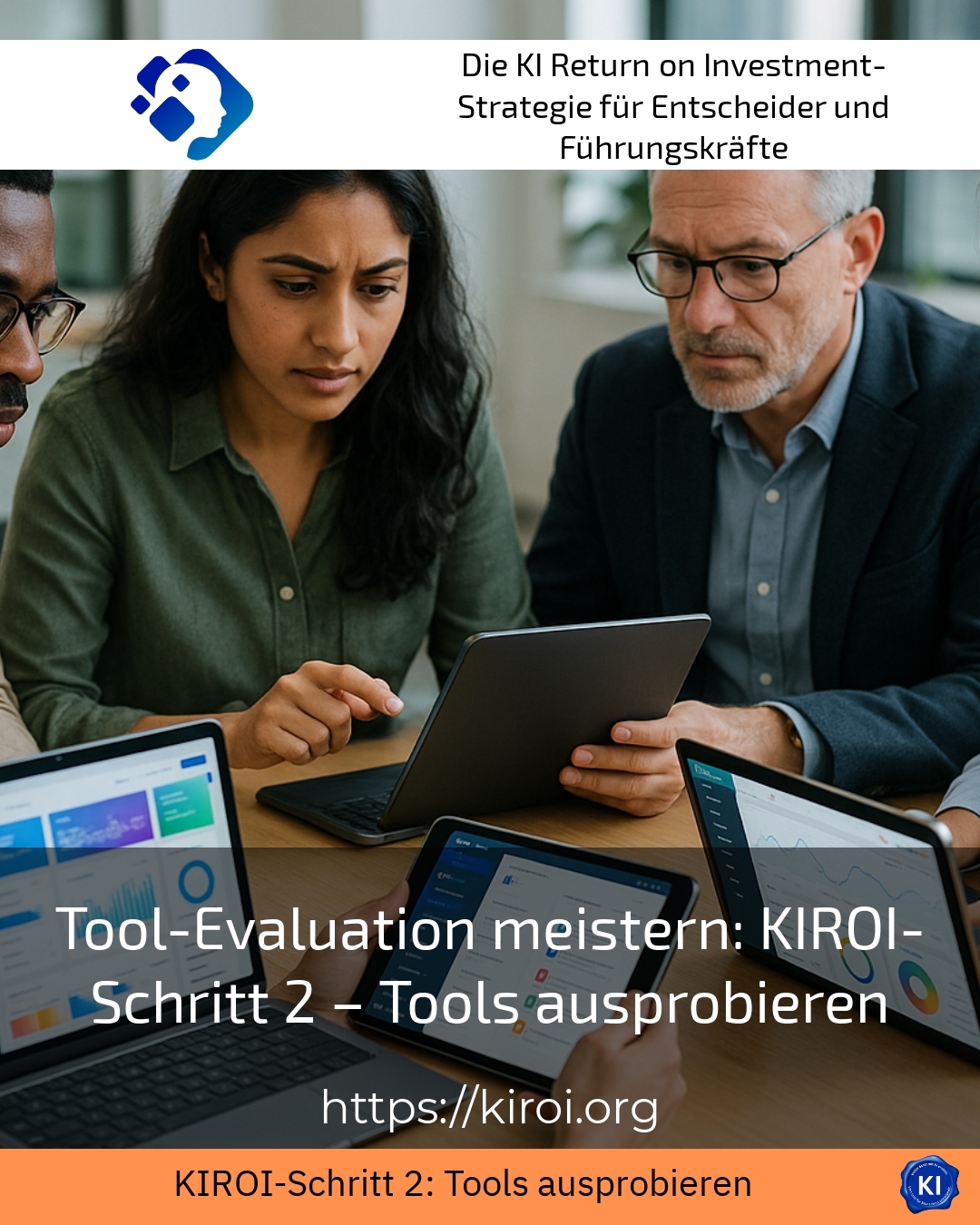
Another important aspect is practical application. Tools should be tested in real projects to evaluate their effectiveness and user-friendliness. This supports sustainable integration into everyday work[2]. Systematic documentation and the collection of user feedback are crucial here.
## The importance of evaluation criteria
Evaluation criteria are the heart of any tool assessment. They help to compare tools objectively and make an informed decision. Criteria such as user-friendliness, compatibility with existing systems, and adaptability to individual processes are of particular interest [4]. Companies benefit from a structured approach that ensures all relevant aspects are considered.
A two-stage selection process can speed up the evaluation process. First, the most important criteria are identified to create a longlist of potential tools. Subsequently, the shortlist is evaluated based on all relevant criteria[3]. This approach significantly reduces the effort and allows companies to quickly arrive at a meaningful evaluation.
## Practical application and experience
The practical application and use of AI tools are crucial for a successful tool evaluation. By testing tools in real projects, companies can better understand their strengths and weaknesses. This supports the continuous improvement of their usage and helps to leverage potential [2].
An example of this is the use of AI-based planning tools in logistics. These tools enable efficient optimisation of routes and an increase in productivity. Through an iterative testing process, weaknesses can be identified and rectified, which increases acceptance and usage within the team[4].
## Support through transruptions coaching
Transruptions coaching plays a vital role in tool evaluation by guiding companies through the process of assessing and implementing tools. This coaching provides impetus on how the introduction can be better communicated internally to increase acceptance and utilisation. Companies benefit from enhanced innovation capabilities and improving process quality[2].
BEST PRACTICE with one customer (name hidden due to NDA contract)In a medium-sized logistics company, an AI-based planning tool was tested. Through the iterative testing process, weaknesses in the data connection could be identified and rectified. The support provided by transruption coaching gave the team impetus on how the introduction could be better communicated internally in order to increase acceptance and usage.
## Conclusions from the tool evaluation
Tool evaluation is a crucial process that helps companies find the right tools for their specific requirements. By defining clear requirements and evaluation criteria, as well as practical application and support through coaching, companies can optimise their processes and increase their innovation potential.
My analysis
Tool evaluation is not a static process, but a dynamic approach that must be continuously adapted and improved. Companies that successfully implement this process can achieve significant benefits in terms of efficiency and innovation capability.
Further links from the text above:
Mastering Tool Evaluation: KIROI Step 2 – Trying Out AI Tools
What really matters in a tool evaluation
Machine Learning – Platform Evaluation
For more information and if you have any questions, please contact Contact us or read more blog posts on the topic Artificial intelligence here.










 Deutsch
  English (UK)