
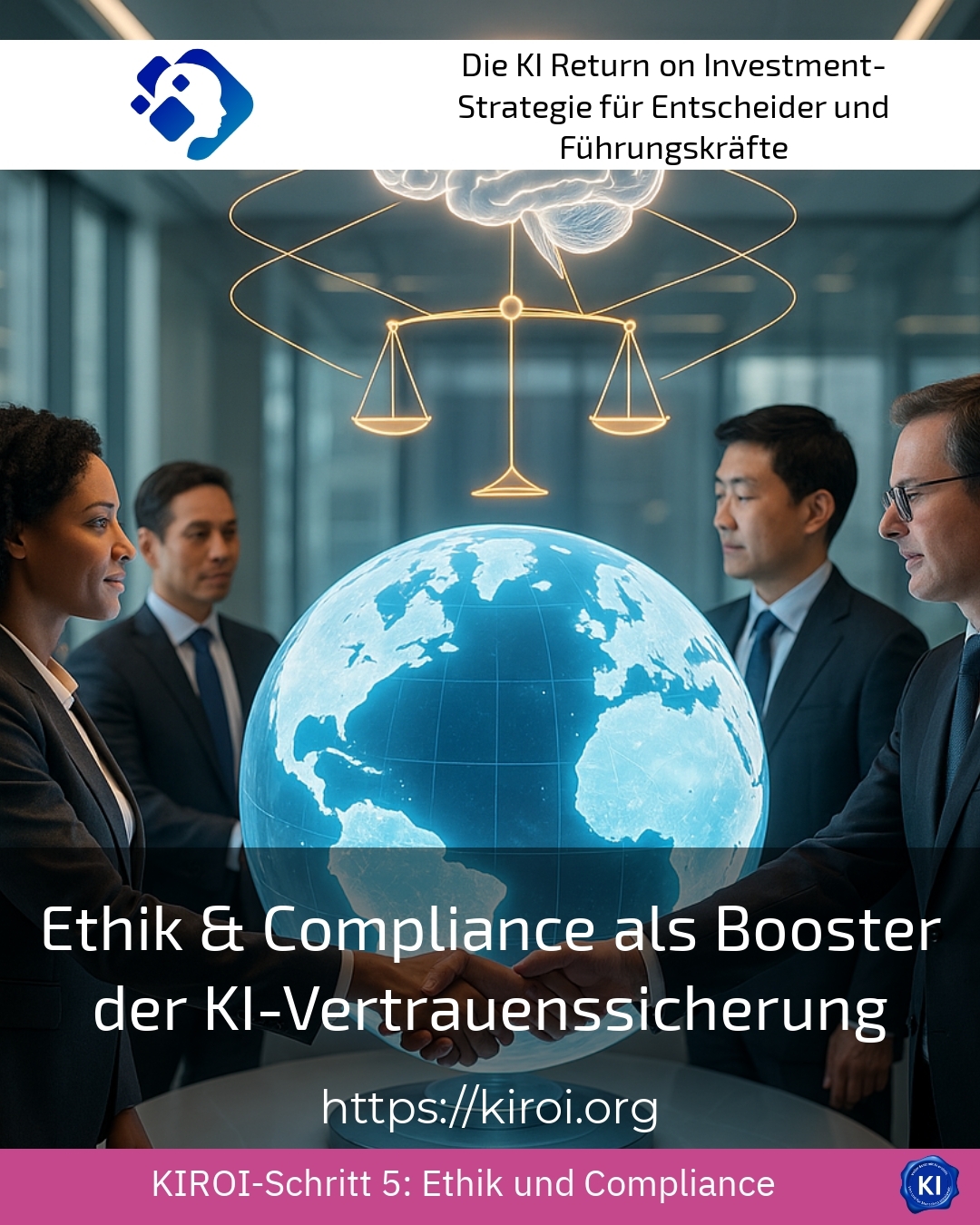
Imagine an intelligent system making decisions involving millions in fractions of a second. At the same time, scepticism is growing among customers, regulators and the public. This is exactly where Ethics & Compliance as a Booster for AI Trust For without a clear framework of values and binding regulations, even the most innovative technologies risk failure. Trust here is not an abstract concept. It determines market share, reputation, and ultimately, sustainable business success. In this article, you will learn why moral principles and regulatory compliance are indispensable drivers for accepted intelligent systems today.
Why Trust is the New Capital in the Financial Industry
The financial industry is undergoing a profound transformation. Automated credit decisions, algorithmic trading strategies, and chat-based customer advice are shaping everyday life. However, these developments bring new challenges. Customers are increasingly wondering how decisions are made. They want to understand why their loan application was rejected. Regulatory authorities also require transparent traceability. Without this transparency, distrust in new technologies quickly arises. Banks and insurance companies therefore face the task of actively building trust.
For example, a large credit institution introduced an automated assessment system for real estate financing. Initially, many customers reacted sceptically to the machine-based assessments. Acceptance only increased significantly through supplementary explanation models and personal consultation meetings. A direct bank that enhanced its customer service with intelligent assistants experienced something similar. The initial rejection turned into approval when the bank communicated clear data protection guidelines. A traditional insurance company also gained positive experience with transparent claims settlement processes.
Ethics & Compliance as a Booster of AI Trust Assurance in Practice
Values-based guidelines and regulatory compliance form the foundation for acceptable technology solutions. This isn't about abstract principles. Rather, these tenets must be embedded into concrete business processes. An investment services provider developed an internal framework for algorithmic investment recommendations for this purpose. This framework defines clear boundaries for automated decisions. At the same time, it mandates human reviews at certain thresholds. This creates a balanced interplay between technical efficiency and human oversight.
A leading private bank has integrated ethical review processes into its product development process. Before being launched on the market, new digital offerings go through several assessment stages. Experts from various departments examine potential risks and unintended consequences. This structured approach has proven effective and has built trust with customers. An international payment service provider also reports positive experiences with similar approaches. The early involvement of compliance experts even speeds up the market launch of new products.
Best practice with a KIROI customer
A medium-sized financial institution faced a particular challenge with the introduction of automated credit checks. While the existing systems delivered precise results, the decision-making pathways remained opaque to administrators and customers. As part of a disruptive coaching process, the project team first developed a comprehensive value framework for the use of intelligent assessment systems. This framework defined clear boundaries for automated decisions and stipulated when human expertise must be involved. The team then implemented so-called explanation modules that clearly outline to customers which factors contributed to the decision. The compliance department was involved from the outset and developed audit routines for regular checks. The establishment of an internal complaints department for algorithmic decisions proved to be particularly valuable. Customers can lodge appeals there and receive personal feedback within three working days. The acceptance rate for automated credit decisions rose by an impressive thirty-five per cent after the introduction of these measures. At the same time, complaints to the financial supervisory authority decreased noticeably. This example impressively demonstrates how structured support in projects involving technology and values-based orientation enables sustainable success.
Viewing regulatory requirements as an opportunity
Many companies initially view new regulations as a burden. However, this perspective is short-sighted. Regulatory requirements can, in fact, serve as a quality mark and create competitive advantages. One regional bank specifically used the implementation of new transparency regulations for its communication. It positioned itself as a pioneer for responsible technology use. Customers rewarded this commitment with increasing loyalty and positive recommendations.
A wealth manager followed a similar approach by disclosing his algorithmic investment strategies. This transparency built trust among discerning private clients. Institutional investors were also impressed by the open communication. An insurance group went a step further and published regular reports on its technology ethics initiative. These reports have been met with a positive reception from analysts and the media.
Ethics & Compliance as a Booster for Securing AI Trust in Complex Decision-Making Processes
Securing trust is particularly challenging in complex decision-making processes. In the field of fraud detection, financial institutions are increasingly relying on pattern-recognition systems. These systems analyse millions of transactions in real-time. They must distinguish between legitimate and suspicious behaviour. However, false positives can cause considerable inconvenience for customers. A clear, values-based calibration of these systems is therefore essential.
An international credit card company developed multi-stage verification mechanisms for this purpose. In cases of suspicion, customers are first notified via an app and asked for confirmation. A block is only put in place if there is no response. This approach reduces frustration and strengthens trust in the service. A cooperative bank follows a similar approach for unusual transfers. Customers appreciate this attentive support and feel well-protected.
The role of corporate culture in building trust
Technical solutions alone are not sufficient. Corporate culture must actively promote and embody ethical conduct. Leaders play a crucial role model function in this regard. A traditional banking house initiated regular training sessions on the responsible use of technology. These training sessions are aimed at all hierarchical levels and promote awareness of the issues. Employees frequently report increased sensitivity to ethical questions.
An innovative fintech company went a step further and established an internal ethics committee. This committee assesses new product ideas with regard to their societal impact, thereby identifying and addressing potential risks early on. A large building society also reports positive experiences with similar structures. Incorporating different perspectives significantly enriches decision-making.
Best practice with a KIROI customer
An insurance company commissioned comprehensive support in redesigning its claims processing procedures. The previous automated assessments regularly led to customer dissatisfaction and complaints. As part of the transruption coaching, the project team first analysed the existing processes from various perspectives. This revealed that customers primarily criticised the lack of transparency in decision-making. The team then developed a transparency concept that explains step-by-step how claim amounts are determined. In addition, the company introduced an optional personal consultation appointment after each automated decision. The compliance department simultaneously developed new documentation standards for algorithmic assessments. These standards enable seamless tracking of all decision factors. Particularly innovative was the introduction of a feedback system through which customers can directly rate their satisfaction. This feedback is incorporated into the continuous improvement of the systems. The complaint rate fell by more than forty percent within a few months. At the same time, ratings in customer satisfaction surveys improved significantly. The company is now successfully positioning itself as a customer-oriented innovation leader in its market segment.
Future prospects for responsible technology use
The requirements for trustworthy technological solutions will continue to increase. Customers increasingly expect transparency and a say in automated decisions. Regulators are tightening their requirements for traceability and fairness. Companies that invest early on Ethics & Compliance as a Booster for AI Trust investing, they gain long-term competitive advantages. They build reputation and sustainably strengthen customer loyalty.
A wealth management provider is already experimenting with fully transparent investment strategies. Customers can track and question every single decision step. This radical openness is meeting with great interest from tech-savvy investors. A direct insurance company is also testing new forms of customer involvement in product development. Customers can vote on new features and submit suggestions for improvement [1]. These developments show where the industry is heading.
My KIROI Analysis
Engaging with this multi-faceted field of topics reveals several key insights. Firstly, it is clear that technological innovation and values-based action are not mutually exclusive. Rather, they reinforce each other and jointly create sustainable added value. The financial sector is exemplary of sectors where trust is of existential importance. Here, the acceptance of new technologies determines market share and long-term business success.
Particularly striking is the growing importance of structured support processes in the introduction of intelligent systems. Companies that opt for professional support early on achieve measurably better results. They avoid costly erroneous developments and accelerate market acceptance of their solutions. The integration of compliance expertise into development processes proves to be particularly valuable in this regard. It prevents subsequent corrections and builds trust among all stakeholders from the outset.
Corporate culture plays an often underestimated role in building trust. No matter how sophisticated technical systems may be, without a cultural foundation, they remain alien. Training, ethics committees, and transparent communication create the necessary foundation. Leaders must demonstrate and demand responsible behaviour. Only then can an authentic value orientation emerge that convinces customers and regulatory authorities [2]. The coming years will show which companies successfully master this challenge. The winners will be those who understand trust as a strategic asset and systematically build it up.
Further links from the text above:
[1] BaFin – Information on FinTech and Digital Innovation
[2] Deutsche Bundesbank – Banking Supervision and Regulation
For more information and if you have any questions, please contact Contact us or read more blog posts on the topic Artificial intelligence here.











 Deutsch
  English (UK)