
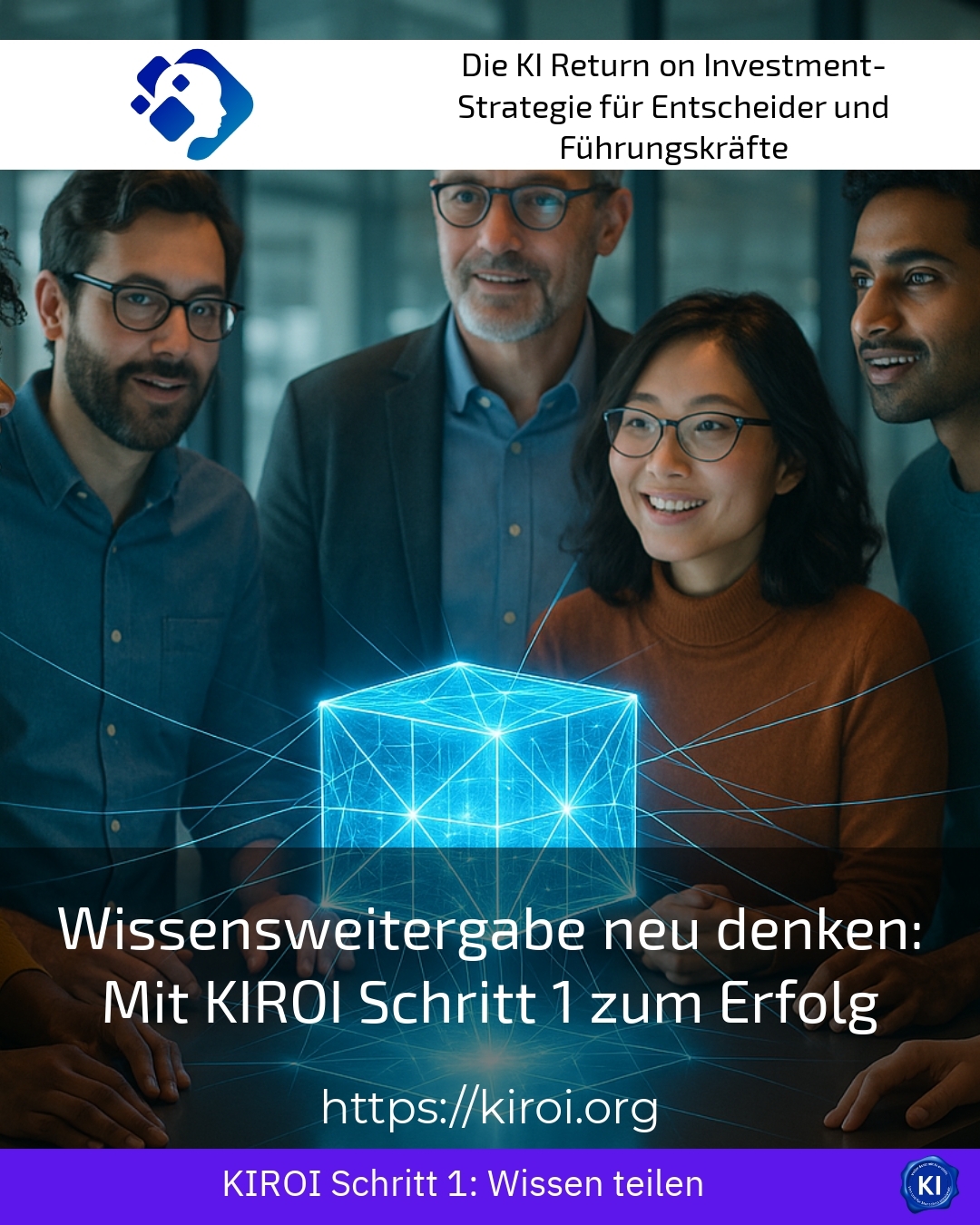
The transfer of knowledge is a crucial factor for the success of companies. It allows valuable information and experience to be shared within the organisation, thereby promoting collaboration and innovation. With the AIROI approach, knowledge transfer can be rethought and made more effective. This approach supports companies in optimising their knowledge management strategies and strengthening employee retention.
Fundamentals of Knowledge Transfer
Knowledge transfer can occur in two main ways: through personalised and codified knowledge transfer. In personalised knowledge transfer, knowledge is exchanged directly between individuals, often in the form of workshops or mentoring programmes. This method promotes personal development and social interaction within the company [1][3].
Conversely, codified knowledge transfer uses technical systems such as databases and wikis to store and disseminate knowledge. This method enables long-term availability of information and facilitates access for all employees [1][3].
Examples from practice
An example of successful knowledge transfer is the formation of age-mixed teams. Here, experienced employees work together with younger colleagues, leading to a natural exchange of knowledge and experience. The younger employees bring current knowledge, while the experienced employees share their many years of experience [1].
Another example is the use of storytelling. This method conveys complex information in a vivid and memorable way by creating emotional connections. Stories make it easier for employees to remember important information [5][8].
Knowledge transfer with AIROI Step 1
The AIROI approach offers a structured method for knowledge sharing. It supports companies in optimising their knowledge management strategies and strengthening employee engagement. By combining personalised and codified methods, knowledge sharing can be made more effective [4].
A key aspect of the AIROI approach is the creation of awareness for knowledge sharing. This begins with a clear commitment from senior management and includes the active participation of all team members [6].
Practical implementation
To successfully implement knowledge transfer, companies should combine various methods. Mentoring programmes and workshops are effective ways to transfer knowledge in person. At the same time, digital platforms can be used to make information available long-term [5][7].
BEST PRACTICE with one customer (name hidden due to NDA contract)A company has successfully implemented age-mixed teams to promote knowledge sharing. Through regular workshops and mentoring programmes, employees were able to expand their skills and improve collaboration. This led to a significant increase in productivity and employee satisfaction.
Knowledge sharing as a success factor
Knowledge transfer is a crucial factor for the long-term success of a company. It not only promotes collaboration and innovation but also secures employee knowledge for the future. By combining personalised and codified methods, knowledge transfer can be effectively designed to strengthen employee retention and increase productivity.
My analysis
In summary, knowledge sharing is a central aspect of modern knowledge management. By combining personalised and codified approaches, companies can optimise their knowledge management strategies and achieve sustainable success. The AIROI approach offers a structured methodology for promoting knowledge sharing and strengthening employee engagement.
Further links from the text above:
For further information on knowledge management and knowledge transfer, you can consult the following sources:
– Knowledge transfer: Passing on knowledge within a company
– Knowledge Management in Transition: Concepts for the Future
– Knowledge transfer | Definition, methods & examples
– Effective knowledge sharing in the company
For more information and if you have any questions, please contact Contact us or read more blog posts on the topic Artificial intelligence here.







 Deutsch
  English (UK)