
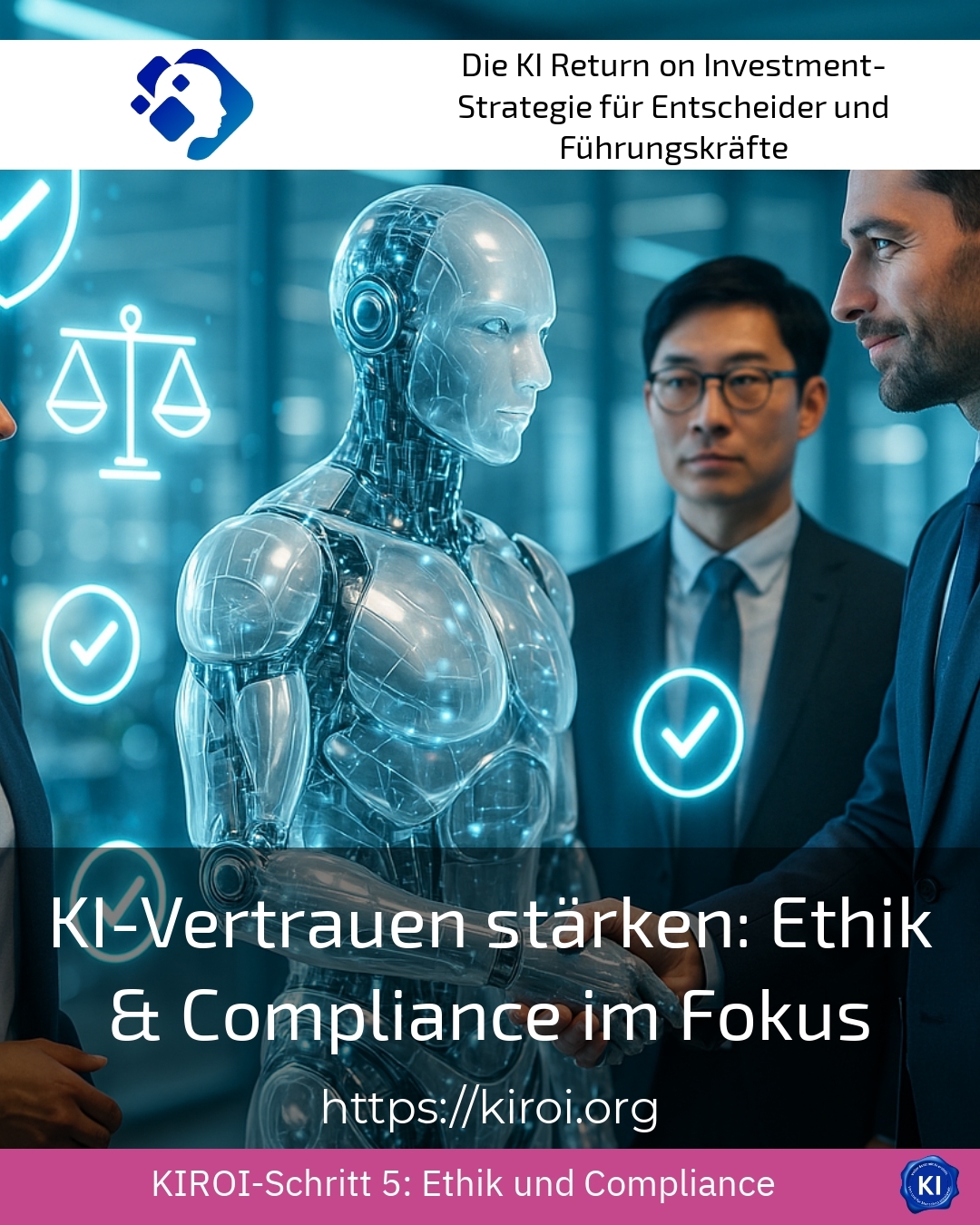
Imagine an algorithmic system making decisions within milliseconds that can affect the lives of millions, while nobody fully understands how these decisions are reached – this is precisely where the fundamental challenge of our time lies, because the subject Strengthening AI Trust: Ethics & Compliance in Focus is now not only engaging technology corporations but is also permeating all economic sectors and societal areas in a way that few would have thought possible just a few years ago. The rapid development of intelligent systems has ignited a dynamic that confronts established companies and emerging start-ups alike with completely new questions, which are no longer exclusively about technical feasibility but rather about the fundamental question of how we, as a society, want and can responsibly deal with these powerful tools.
Strengthening the fundamental importance of AI trust in modern organisations
Intelligent systems are now permeating almost every aspect of corporate activity. They analyse customer behaviour and optimise supply chains. They support medical diagnoses and automate administrative processes. However, this ubiquitous presence of algorithmic decision-making raises fundamental questions. How can organisations ensure that their technological solutions comply with ethical principles? What mechanisms guarantee adherence to regulatory requirements? These questions are of intense concern to leaders worldwide.
A medium-sized manufacturing company recently implemented a predictive maintenance system. The technology continuously analysed machine data and predicted failures. However, employees didn't understand why specific maintenance recommendations were being made. Distrust in the automated suggestions grew steadily. Only through transparent explanation mechanisms could acceptance be improved.
Similar challenges are particularly evident in the financial sector. Credit decisions made by algorithmic systems must be understandable and fair. A bank introduced an automated scoring system that initially yielded excellent results. However, after some time, it became apparent that certain demographic groups were systematically disadvantaged. The regulatory consequences were significant and costly.
These problems are also strikingly evident in the healthcare sector. Diagnostic support systems can assist doctors with complex decisions. A hospital network deployed an image analysis system that evaluated radiological findings. The results were technically impressive, but ethical concerns were initially overlooked. Who bears responsibility in the event of a misdiagnosis? This question urgently needed to be clarified.
Best practice with a AIROI customer
An internationally operating logistics company approached us for transruption coaching because there were massive acceptance issues with the introduction of an intelligent route planning system. The drivers perceived it as a surveillance tool, leading to rejection, considerable efficiency losses, and a strained working atmosphere. As part of our support, we jointly developed a comprehensive transparency approach with the management team, actively involving employees in the further development of the system and enabling them to provide feedback and suggestions for improvement. The implementation of an explanation module, which clearly explained to drivers why certain routes were proposed and what factors were included in the calculation, proved particularly effective. In addition, we established an ethics committee, composed of employee representatives, managers, and external experts, which regularly evaluated the system's impact and proposed adjustments. After twelve months of intensive support, the company reported significantly improved acceptance and a clear increase in employee satisfaction. The system's efficiency gains could finally be realised.
Ethical Principles as a Foundation for Sustainable Technology Use
The integration of ethical principles into technological development processes requires more than superficial lip service. It demands a fundamental reorientation of organisational structures and ways of thinking. Many companies underestimate the effort involved in establishing a serious ethical foundation. Transruption coaching can provide valuable impetus here and support organisations in this transformation process.
An insurance group implemented an automated claims assessment system to process claims more quickly. The system functioned perfectly from a technical standpoint and significantly sped up processes. However, customer complaints about feeling unfairly treated began to mount. The algorithmic decisions often seemed arbitrary and opaque. The situation only noticeably improved once explainability standards were introduced.
In retail, ethical challenges particularly manifest themselves in the area of personalised pricing. A major online retailer experimented with dynamic pricing based on customer profiles. Technically, the system was highly efficient and significantly increased sales at first. However, when it became public knowledge that different customer groups were being shown different prices, the reputational damage was considerable. Customer trust was irrevocably shaken.
These areas of tension are also clearly evident in personnel selection. A technology company implemented a system for the automated pre-selection of applications. The system learned from historical hiring decisions and unconsciously reproduced existing prejudices. These biases were only recognised and corrected after an independent review. The case highlights the need for continuous ethical monitoring.
Strengthening AI trust through robust compliance structures
Regulatory requirements for intelligent systems are continuously tightening worldwide. Companies must act proactively to avoid being caught out by legal developments. European regulatory approaches, in particular, set very high standards for transparency and traceability [1]. Compliance is thus becoming a strategic success factor, not just a tiresome obligation.
A pharmaceutical company used machine learning to analyse clinical trial data. The algorithms identified promising drug candidates faster than traditional methods. At the same time, strict regulatory requirements, which demanded complete traceability, had to be met. The company invested significantly in documentation and explanation systems. These investments paid off multiple times during the approval process.
Similar challenges arise in the energy sector regarding grid control. Intelligent systems optimise the distribution of renewable energies and stabilise supply networks. A grid operator implemented an autonomous control system that responded to changing load profiles. However, the regulatory authority demanded full transparency over all decision-making processes. The company subsequently had to establish extensive compliance structures [2].
In the telecommunications sector too, demands are constantly increasing. A mobile operator deployed intelligent systems for fraud detection. The system reliably analysed usage patterns and identified suspicious activities. However, data protection concerns necessitated extensive adjustments to the processing procedures. The balance between security and privacy proved to be a complex challenge.
Best practice with a AIROI customer
A medium-sized company in the automotive supply industry sought our guidance because it was experiencing difficulties in implementing the new European requirements for transparency and accountability in its quality assurance systems, despite the technical implementation being well advanced and the systems functioning reliably. As part of our transruption coaching, we first analysed the existing processes and identified critical gaps in documentation and the traceability of algorithmic decisions, which could have led to significant problems during an official audit. Together, we developed a comprehensive compliance framework that not only met current regulatory requirements but was also flexible enough to anticipate and adapt to future tightening of legislation. The implementation of automated audit trails, which documented all system decisions seamlessly and made them reconstructible if necessary, proved particularly valuable, benefiting the company during a later official review. After completing our support, the company reported that it is now significantly better prepared for regulatory requirements and that its internal processes have been made considerably more transparent.
Practical approaches to building trust in technology-driven environments
Trust isn't automatically generated by technical excellence alone. It requires active efforts in transparency, communication, and the involvement of all stakeholders. Clients often report that technical projects fail due to a lack of acceptance. The human dimension is often underestimated or neglected. This is where transruptive coaching comes in, supporting organisations in overcoming these hurdles.
A trading company introduced an automated order optimisation system. The system analysed sales data and generated precise reordering suggestions. However, the buyers felt disempowered and betrayed. Acceptance only improved through intensive training and explanatory workshops. The employees now better understood the system's added value.
Comparable dynamics can be observed in the education sector with adaptive learning systems. A university implemented a system that individually adapted learning paths. Students and lecturers were initially sceptical of the algorithmic recommendations. Reservations were gradually overcome through transparent communication about how it worked [3]. Learning outcomes improved measurably after increased acceptance.
These challenges are also present in the public sector. A city administration implemented a system for prioritising building permit applications. The automated ordering was intended to increase efficiency and reduce arbitrariness. However, citizens complained about the lack of transparency in the decisions. A transparent explanatory portal finally provided a remedy and understanding.
The role of Ethics & Compliance in the design of trustworthy systems
Ethical considerations and regulatory requirements must be integrated into development processes from the outset. Subsequent corrections are usually costly and unsatisfactory. The concept of „Ethics by Design“ is therefore gaining increasing importance in progressive organisations. It ensures that moral principles are understood not as an obstacle, but as a quality feature.
A media company developed a personalised recommendation algorithm for news content. The system initially optimised solely for click-through rates and time spent on page. However, this strategy led to problematic filter bubbles and echo chambers. The company subsequently integrated ethical guidelines into the algorithm. Diversity of opinion was now considered as an additional optimisation goal.
In the transport sector, ethical questions are particularly evident with autonomous vehicles. A mobility service provider tested self-driving shuttles in a pilot project. Technically, the vehicles functioned reliably and safely. However, the ethical implications of decision-making situations in unavoidable accidents remained unclear for a long time. Only intensive stakeholder dialogues led to accepted guidelines for action.
Intelligent systems are also rapidly spreading in agriculture. An agricultural technology company developed a system for autonomous harvest timing. The system precisely analysed weather data, soil moisture and ripeness levels. However, smallholder farms feared dependence on large technology corporations. The company responded with open interfaces and transparent data policies.
Best practice with a AIROI customer
A service company specialising in professional cleaning and building management contacted us because they wanted to implement an intelligent scheduling system that would optimise employees' working hours and routes. However, they encountered significant resistance from the workforce and the works council, who feared surveillance and performance pressure. Our transruption coaching initially involved a comprehensive stakeholder analysis, systematically recording and documenting the concerns of all involved groups. This formed the basis for designing a participatory development process that actively involved employees. Together with the company, we developed an ethical framework for the scheduling system, explicitly defining which data could and could not be collected, how the information was used, and who had access to which analyses. This led to a significant reduction in reservations. The establishment of a jointly appointed supervisory committee, which regularly monitored adherence to the agreed principles and could immediately demand corrections in case of deviations, was particularly important. After the implementation and our ongoing support, the company reported constructive collaboration with the works council and increased employee satisfaction.
Future prospects for strengthening AI trust in a digitised economy
The development of ethically and compliance-compliant intelligent systems is still in its infancy. Technological advancements will continue to raise new questions and challenge existing answers. Organisations that establish robust structures early on will enjoy a competitive advantage in the long term. They will gain the trust of customers, employees, and regulators alike.
A chemical company is utilising intelligent systems for process optimisation in production. The algorithms significantly reduce energy consumption and minimise waste. At the same time, all decisions are documented and made explainable. The company is thus positioning itself as a pioneer in the use of sustainable and responsible technologies. Customers reward this transparency with long-term loyalty.
In the hospitality industry, companies are experimenting with intelligent concierge systems that anticipate guest preferences. One hotel group implemented such a system for personalised service. Guests could decide for themselves which data they allowed to be used. This freedom of choice strengthened trust and significantly increased satisfaction ratings. The example shows how transparency and control can work together.
Intelligent systems are fundamentally changing how we work, even in the professional services sector. An auditing firm is using algorithmic analysis tools to audit annual financial statements. The systems identify anomalies faster than human auditors alone, while final responsibility remains with the professionals. This combination of technical support and human oversight builds trust.
My AIROI Analysis
A deep dive into the diverse facets of ethically and compliantly designing intelligent systems reveals a complex field of tension where technological possibilities, societal expectations, and regulatory requirements collide and must be continuously balanced. My experience from numerous client projects shows that organisations often approach me with similar challenges, namely how they can utilise innovative technologies without jeopardising the trust of their stakeholders or incurring regulatory risks. In my assessment, the solution lies not in avoiding technological innovations, but in their responsible design from the outset, whereby ethical considerations and compliance requirements should be understood as integral components of the development process, rather than as afterthoughts or burdensome exercises.
Transruptions Coaching can support organisations in successfully navigating these complex transformation processes by taking into account and integrating both the technical and the human and organisational dimensions. Clients often report that it was only through external support that blind spots became visible and constructive solutions could be developed. The examples described in this article illustrate that sustainable success when implementing intelligent systems depends significantly on how well trust is built and maintained, which in turn requires consistent adherence to ethical principles and regulatory requirements. Organisations that consistently pursue this path will benefit in the long term because they can position themselves as trustworthy partners in an increasingly digitalised economy.
Further links from the text above:
[1] European Commission – Regulatory Framework for AI
[2] Federal Network Agency – Digitalisation and Regulation
[3] UNESCO – Recommendation on the Ethics of Artificial Intelligence
For more information and if you have any questions, please contact Contact us or read more blog posts on the topic Artificial intelligence here.






 Deutsch
  English (UK)