
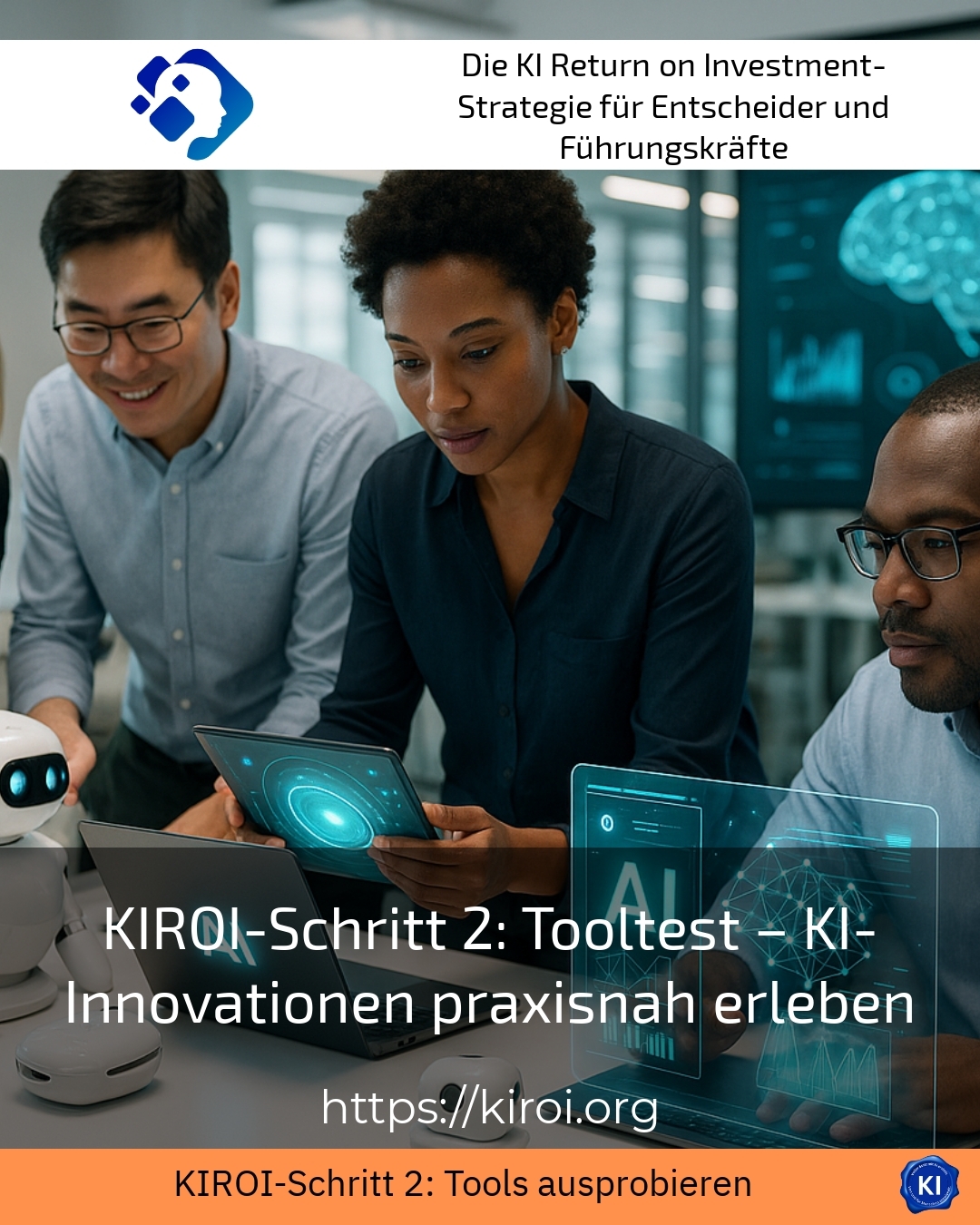
The Tool Test is a crucial step for companies looking to strategically select and sustainably implement innovative solutions. Many decision-makers are searching for a structured approach to find the right solution from the multitude of digital tools available. The Tool Test offers precisely this orientation. It helps to clearly define one's own requirements, compare different offerings, and test the best options under real-world conditions. This creates certainty and transparency in the decision-making process. Transruption Coaching supports companies in understanding the Tool Test as a dynamic process and continuously optimising it.
Why the tool test is so important
Companies today face the challenge of evaluating ever more digital solutions. A tool test helps to identify suitable tools and avoid misinvestments. It begins with a clear analysis of operational requirements. Decision-makers define which tasks the new tool should take on. They determine which functions are important and which integrations are necessary. This creates a requirements catalogue that also considers soft factors such as usability and support.
A tool test not only checks technical functions but also practical relevance. It tests how well the tool fits into the daily workflow. User groups are involved to gather feedback and promote acceptance. The results are documented and communicated transparently. This enables decision-makers to act on a well-founded basis and select the best solutions.
Tool tests in practice: examples from various industries
In the manufacturing industry, tool testing is used to evaluate early warning systems. These systems detect faults in advance and reduce production downtime. A tool test helps to check the reliability and integration of such systems. This allows companies to stabilise their production processes and increase efficiency.
In the area of office organisation, automation tools simplify routine tasks. A tool test checks how well these tools integrate with existing office applications. Data security and ease of use are paramount in this process. This ensures that the new solutions genuinely improve everyday working life.
Marketing departments select and test tools that enable automation or support competitive analysis. Tool testing helps to specifically optimise one's own strategies. This allows companies to improve their visibility and manage their marketing activities more efficiently.
Tool Test at a Client: Practical Example
BEST PRACTICE with one customer (name hidden due to NDA contract) In a medium-sized company operating in the technical services sector, an SEO tool with a strong focus on competitive analysis and keyword gap analysis proved to be of significant value. The tool test revealed that this particular tool was able to specifically improve the company's positions against competitors. Simultaneously, it helped to identify gaps in keyword coverage, providing a considerable impetus for the development of digital strategy. The results of the tool test formed the basis for further digital development and ensured high acceptance within the team.
Tips for a successful tool test
A successful tool test begins with a clear objective. Decision-makers should precisely define which problems are to be solved. They should compare various offerings and test them under real conditions. Involving the future user groups is crucial for gathering feedback and encouraging acceptance. The results should be documented and communicated transparently. This fosters confidence and transparency in the decision-making process.
A tool test is not a one-off event, but rather a dynamic process. It involves continuous testing and optimisation. This approach offers valuable insights for long-term integration and helps to avoid misinvestments. Transruption coaching supports companies in establishing a culture where new tools are not just introduced, but sustainably utilised.
My analysis
The tool test is a strategic instrument for sustainable digitalisation projects. Companies that approach the tool test in a targeted and supported manner not only secure suitable solutions but also gain valuable expertise and strengthen their teams' innovative capabilities. Practice shows that a tool test integrating user feedback, transparency, and ongoing coaching lays the foundation for measurable project success and long-term company profit.
Further links from the text above:
Tool Testing – How Decision-Makers Find Top Solutions
AI meets Practice – AI Application Examples
Tool test in focus: KIROI step 2 for smart decision-makers
For more information and if you have any questions, please contact Contact us or read more blog posts on the topic Artificial intelligence here.











 Deutsch
  English (UK)