
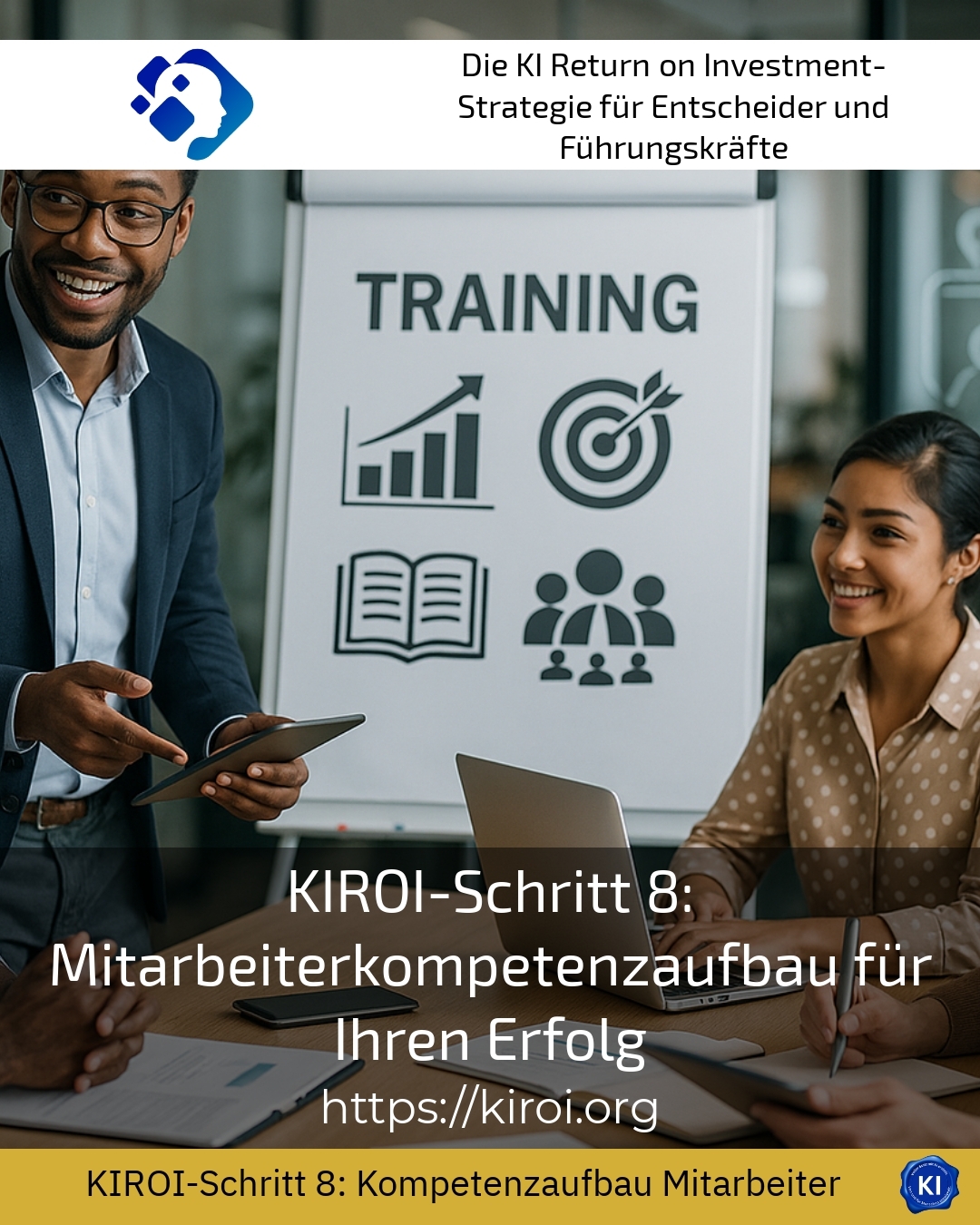
The targeted Employee competence development forms an important basis for sustainable business success. It supports organisations in effectively nurturing existing talent and unlocking new potential. This is not just about classic further training, but about a holistic process that combines learning, application and reflection.
Employee competence development: a strategic cornerstone for development and success
In many companies, building employee competencies is an integral part of future-oriented personnel development. It ensures that employees possess the skills that are necessary in the face of dynamic market demands. Typical examples from sectors such as mechanical engineering, the health industry, or IT demonstrate the importance of continuously expanding technical and methodological competencies.
The process begins with an analysis of the current skill level and the identification of future development areas. For example, an automotive supplier might recognise the need for digital expertise and plan specific training for its employees. In retail, emphasis is often placed on communication and sales skills so that customers can be advised individually and professionally. In the IT sector, the focus is on agile methods and teamwork, in addition to technical knowledge.
Practical methods for employee competence building
A proven approach promotes learning directly in the workplace. For example, on-the-job training allows employees to take on new tasks and implement them immediately. A service company reports that the integration of job rotation programmes has led to employees better understanding different departments and operating across disciplines.
Coaching and mentoring programmes are further important cornerstones. In a medium-sized craft business, experienced professionals support young colleagues individually. This not only promotes technical skills but also personal development and motivation. Pharmaceutical companies also organise targeted workshops in which methodological skills such as problem-solving or presentation are trained.
Digital learning offerings are playing an increasingly important role. E-learning platforms offer flexible ways to deepen knowledge regardless of time and location. Many financial service providers, for instance, use interactive webinars to keep their teams continually up-to-date and meet regulatory requirements.
Transruptions Coaching as Support for Building Employee Competencies
This innovative form of coaching supports projects that aim to Employee competence development It supports change processes, strengthens individual strengths, and helps to successfully overcome new challenges. Companies from the construction industry report that transruption coaching supports their specialists and managers in developing and adapting skills, even in uncertain environments.
In the IT industry, this coaching approach serves to support employees in dealing with new technologies and to promote the development of agile working methods. This creates a culture of continuous learning, which has a positive impact on productivity and innovation.
Last but not least, manufacturing companies benefit from transruption coaching by motivating employees to identify and implement learning opportunities, for example during the introduction of new machinery or processes.
BEST PRACTICE with one customer (name hidden due to NDA contract) In a medium-sized technology company, transruption coaching was used to support employee skills development during the implementation of a new software solution. Employees from various departments received individual support in using the technology and developed sustainable skills for independent work. The increased self-confidence led to greater acceptance and better project results.
Practical tips for implementing employee skill development
For successful skills development, it is recommended to use a combination of different measures. Structured training should be combined with practical experience and personal support. For example, a clinic could supplement professional training with mentoring to ensure implementation in everyday practice.
Regular reflection is also important. Managers should give targeted feedback and use development discussions to align individual goals. This is motivating and helps to make learning progress transparent. In industry, regular skills assessments ensure that training content remains up-to-date and truly meets needs.
Furthermore, companies should encourage knowledge sharing. Mastermind groups or peer-learning formats strengthen collegial dialogue, enabling employees to learn from each other and develop solutions together. This dynamic was successfully established in an international logistics company, thereby improving collaboration in distributed teams.
My analysis
The Employee competence development is a multifaceted and continuous process. It requires the integration of various learning formats tailored to the needs of the company and its employees. Practical learning, individual support, and an open feedback culture promote sustainable development. Transruption coaching can provide valuable impetus here and effectively support change processes. Strategically planned skills development significantly contributes to competitiveness and employee retention.
Further links from the text above:
[1] Successful Competence Development: 9 Tips and 3 Levels
[2] Competence Development: Definition + Successful Examples
[3] Skills development: importance and methods
[6] Popular methods for developing the skills of company employees
[8] Competency Management – Definition, Benefits, Models
For more information and if you have any questions, please contact Contact us or read more blog posts on the topic Artificial intelligence here.








 Deutsch
  English (UK)