
Random Forest is a term from the fields of Big Data and Smart Data, as well as Artificial Intelligence. It refers to a method used to analyse and utilise large volumes of data in order to make helpful forecasts or decisions.
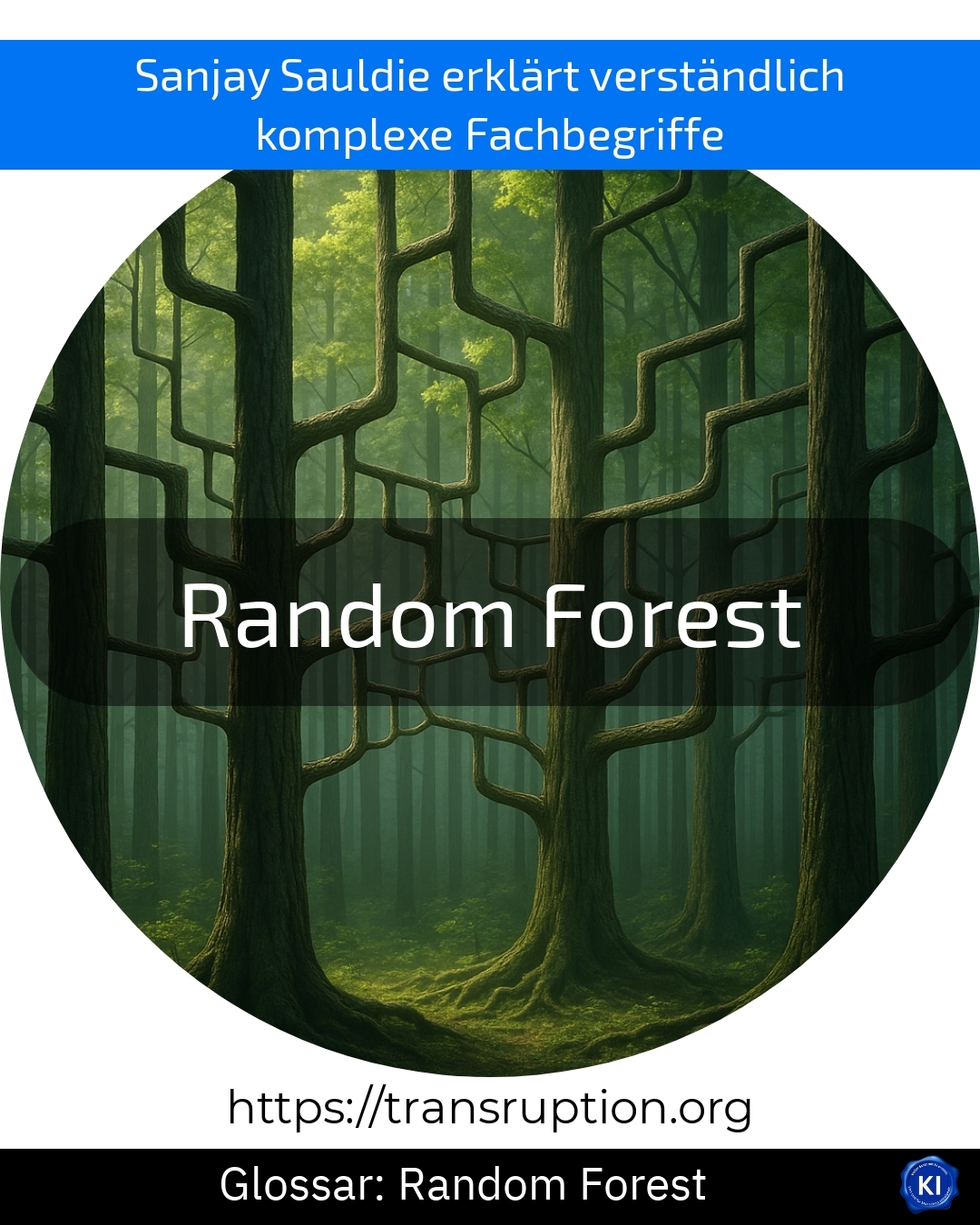
Imagine a Random Forest as a forest made up of many individual trees. Each tree represents a small analysis model that makes its own decision. The key: these trees work together to arrive at the most reliable overall result possible. The more trees there are, the „smarter“ the forest becomes, as the errors of individual trees can cancel each other out.
A clear example: An online retailer wants to use customer data to predict whether a particular customer might be interested in a product special. Using Random Forest, the system analyses numerous characteristics, such as previous purchases, age, or search behaviour, and allows many „decision trees“ to vote independently. The final result is significantly more accurate than if only a single model were used.
In short: Random Forest makes it easier for companies to gain valuable insights from large datasets for better decision-making.











 Deutsch
  English (UK)