
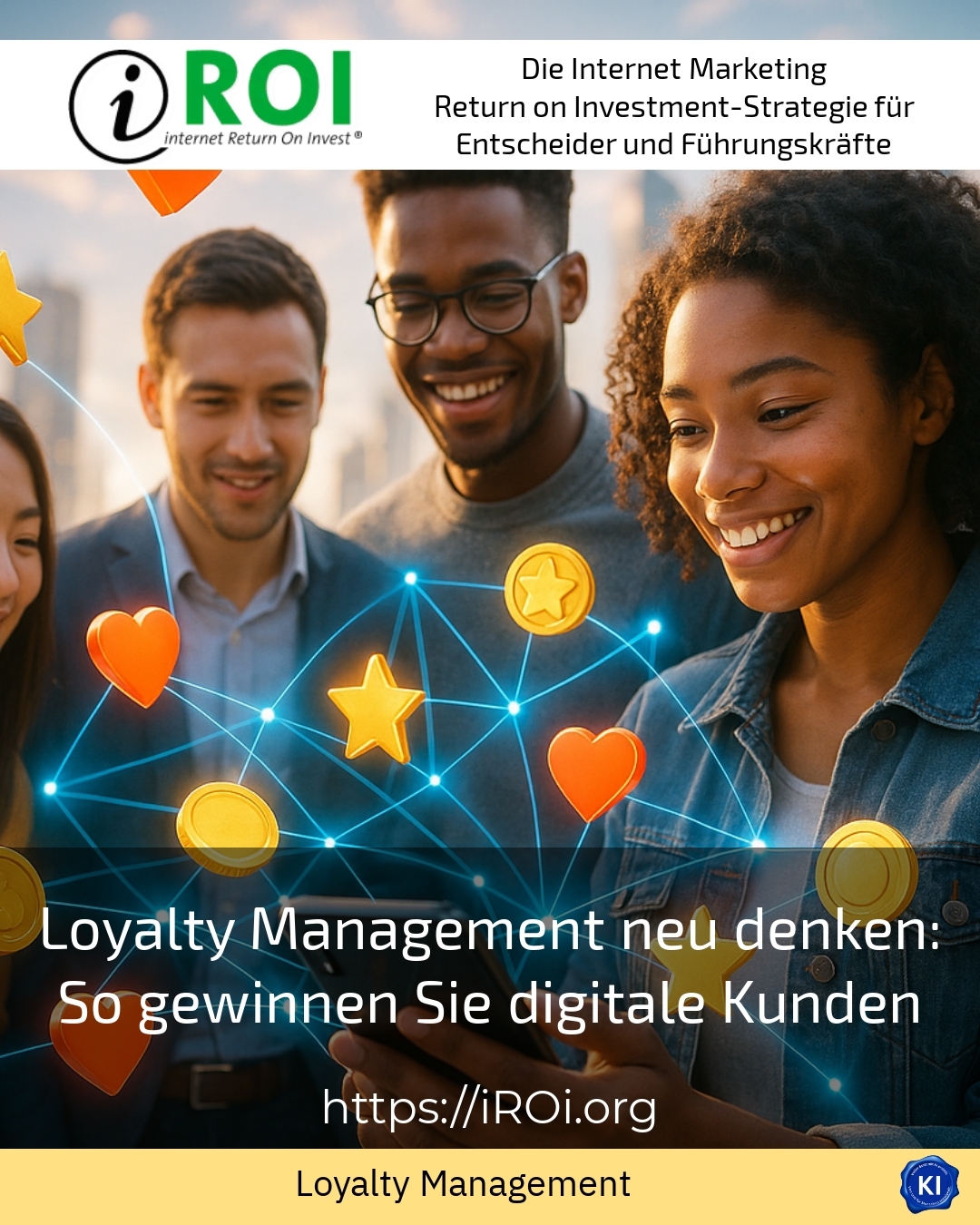
In the age of digitalisation, Loyalty Management a crucial factor for the success of companies. It is no longer just about acquiring customers, but about retaining them long-term and fostering their loyalty to the brand. An effective Loyalty Management encompasses more than just discounts or rewards; it must be individually tailored to the needs of the customers and enable personalised communication.
The Significance of the Data Cycle in Loyalty Management
A positive data cycle is crucial for addressing customers individually and meeting their expectations. This requires collecting and analysing data to create targeted offers. Studies show that many customers are willing to share data in exchange for personalised experiences [3]. A good example of this is the collection of purchasing behaviour data to make targeted offers to customers that are aligned with their interests.
Some companies use AI-powered software for the Loyalty Management, to make these processes more efficient[11]. These systems enable customer movements to be analysed and personalised actions to be initiated based on this.
Technological solutions for modern loyalty management
Technological solutions play a central role in modern Loyalty Management. Bespoke apps and white-label solutions allow businesses to reach customers directly via smartphones. These apps are fully designed in the respective company's corporate identity, creating an individual application for the customers [1]. This way, companies can increase their customer frequency and revenue by specifically addressing their customers' needs.
Best practice for a large retailer: By implementing white-label apps, a well-known retailer like Müller has significantly increased customer interaction. The app allows for interaction via till receipts, with customers able to scan QR codes. This effectively engages customers with the brand without requiring additional hardware.
Customers in focus
Another important aspect is the identification of the target audience and the development of a suitable content strategy. Companies should create targeted content that meets their customers' needs[2]. For example, companies can address common customer questions through FAQs or blogs, thereby strengthening trust in their brand[8].
Customer loyalty through digital marketing
Digital Marketing is a central part of modern Loyalty Management. By using digital marketing strategies, companies can not only acquire new customers but also retain existing customers long-term. Pull strategies, such as inbound marketing, are particularly effective as they allow customers to voluntarily become interested in the brand[6].
Further examples from the industry: Some companies use social media and online advertising to increase their visibility. These strategies enable them to reach potential customers and convert them into stable customer relationships.
Strategic approach to acquiring new customers
Customer acquisition on the internet takes place in several phases. First, visibility is the focus, followed by the conversion of interested parties into leads. These leads then need to be qualified to close deals[4]. Effective Loyalty Management begins already in new customer acquisition by winning over potential customers through targeted personalisation.
Practical application: A well-structured customer acquisition process also involves the use of content strategies. Companies create targeted content to generate and maintain the interest of their target audience[2].
Monitoring and Optimisation in Loyalty Management
An effective Loyalty Programme requires constant monitoring and adaptation. This includes monitoring user data and continuously optimising programmes to strengthen customer loyalty[5]. Through regular analyses, companies can identify weak points and react accordingly to increase the effectiveness of their programme.
My analysis
Overall, Loyalty Management not an isolated measure, but an integral part of a comprehensive marketing strategy. By integrating technology, personalisation and targeted incentives, a brand can build and foster long-term relationships with its customers. iROI Coaching supports companies in developing and implementing such strategies to maximise customer loyalty.
Further links from the text above:
Digital customer loyalty reimagined: AI, gamification and apps
Convince customers with digital acquisition and content
5 tips for more customer loyalty and retention in e-commerce
For more information and if you have any questions, please contact Contact us or read more blog posts on the topic internet Return on Investment - Marketing here.









 Deutsch
  English (UK)