
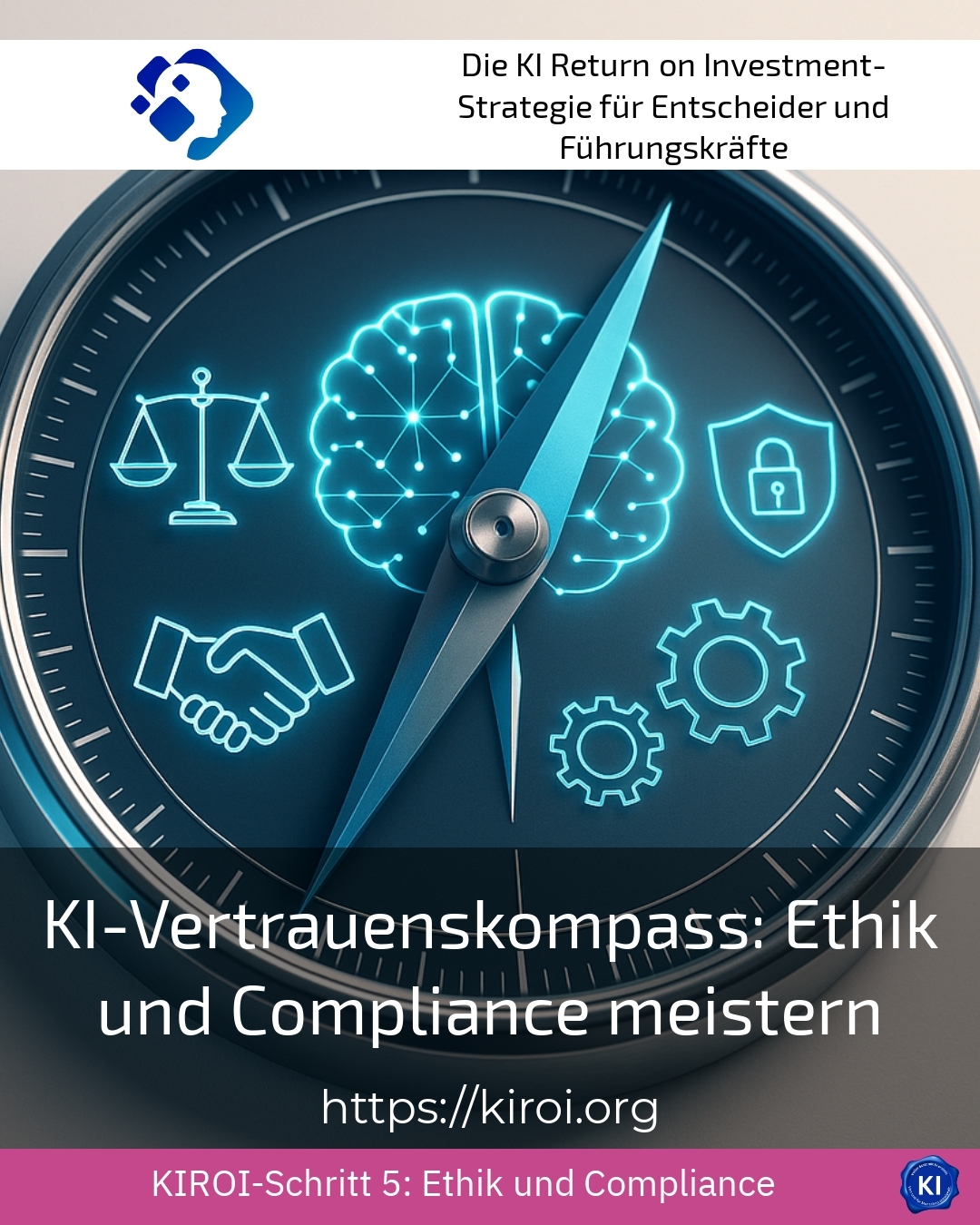
Imagine your organisation is facing a landmark decision: you want to introduce intelligent systems that optimise processes and create added value. Yet suddenly, questions arise that go far beyond technical aspects. How do you ensure that algorithmic decisions remain fair and transparent? The AI Trust Compass: Mastering Ethics and Compliance becomes your indispensable navigation tool. At a time when regulatory requirements are steadily growing and societal expectations regarding the responsible use of technology are increasing, leaders and project managers need a clear framework for orientation. This article guides you through the complex landscape of ethical and legal challenges, provides practical impulses and shows how transruption coaching can support implementation.
Why ethical guidelines for intelligent systems are essential
The introduction of algorithmic decision-making systems is fundamentally changing organisations. This creates new responsibilities and issues. Clients frequently report uncertainties when assessing risks and opportunities. Employees fear the loss of autonomy in their working areas. At the same time, customers and business partners expect transparency in automated processes. A structured ethical framework helps to integrate and balance these different perspectives.
The European regulatory landscape is evolving dynamically and presenting organisations with new requirements. The European Union's AI Act defines risk classes for various areas of application [1]. High-risk systems are subject to strict documentation and transparency obligations. Companies must be able to demonstrate that their systems operate without discrimination. These regulatory requirements demand a systematic approach to ethics and compliance.
For example, a manufacturing company implemented an image-based quality control system. The challenge was to make the decision logic for defective goods transparent. Another example shows a logistics company that introduced route optimisation using machine learning. Here, drivers needed to understand why certain routes are preferred. A third scenario concerns a financial services provider that supports credit decisions algorithmically. Traceability for rejected applicants became a central issue.
The AI Trust Compass as a strategic instrument
A systematic approach to evaluating ethical aspects requires clear criteria and processes. The AI Trust Compass: Mastering Ethics and Compliance provides a structured guide for orientation in the process. It encompasses several dimensions that should be taken into account when evaluating projects. Fairness refers to the equal treatment of all groups of people affected. Transparency means the comprehensibility of decisions for all participants. Accountability clarifies who is liable and corrects in the event of flawed decisions.
The practical application of this compass begins as early as the conception phase of projects. Project teams identify potential ethical risks and assess their significance at an early stage. Stakeholders are involved in the assessment process and their perspectives are taken seriously. Documentation accompanies the entire development process and creates traceability. This proactive approach considerably avoids costly corrections in later project phases.
A healthcare provider used the compass during the introduction of a triage system. The ethical assessment helped to adequately protect sensitive patient data. A retail company applied the framework to personalised pricing systems. The fairness dimension highlighted potential discrimination risks for certain customer groups. An energy utility evaluated a load forecasting system using the compass. Here, transparency towards regulatory authorities was the primary focus of consideration.
Best practice with a AIROI customer A medium-sized engineering company faced the challenge of introducing a predictive maintenance system designed to minimise downtime. The management recognised early on that employee buy-in would be crucial to the project's success. transruptions coaching accompanied the project team in establishing a comprehensive stakeholder dialogue and developing ethical guidelines. Together, we devised transparency standards that explained to the technicians why the system made specific maintenance recommendations. The documentation was designed to withstand both internal and external audit requirements. Clarifying responsibilities in cases where decisions diverged between the system and the specialists was particularly important. The team developed an escalation process that always retains human expertise as the final authority. Following the introduction, employees reported enhanced trust in the new system. Downtime was noticeably reduced because the acceptance of maintenance recommendations had increased significantly. This project exemplifies how ethical guidance can support the commercial success of technological transformations.
Systematically meeting compliance requirements
The regulatory requirements for algorithmic systems vary depending on the industry and use case. The financial sector is subject to particularly strict regulations regarding traceability and fairness [2]. The healthcare and pharmaceutical industries must also take medical device law aspects into consideration. The public sector faces special requirements regarding transparency and citizen participation. These different framework conditions require a differentiated approach to compliance management.
A structured compliance strategy comprises several coordinated elements. Risk classification categorises use cases into different levels of regulatory intensity. Documentation standards define which information must be retained and for how long. Audit processes ensure that systems continuously comply with defined standards. Training programmes provide employees with the necessary knowledge for compliant behaviour.
An insurance company implemented a claims settlement system with algorithmic support. The compliance requirements included detailed documentation of every individual case decision. A telecommunications provider introduced a customer retention system and had to consider data protection aspects centrally. An automotive supplier used machine learning for quality checks and documented all training and validation data.
embedding AI trust compass in organisational culture
The sustainable impact of ethical guidelines only unfolds through cultural embedding within the organisation. Leaders play a central role as role models in their daily actions. They must actively address ethical issues and encourage discussions about them. Employees need safe spaces to voice concerns and contribute suggestions for improvement. An open culture of error enables learning from problematic situations and continuous improvement.
The AI Trust Compass: Mastering Ethics and Compliance becomes a living instrument through regular application. Project teams integrate ethical checkpoints into their milestone planning as an integral component. Retrospectives systematically reflect on ethical aspects of project work alongside technical ones. Success stories are shared and motivate other teams to adopt proven practices.
A retail company established a monthly ethics review for all ongoing projects. The discussions led to valuable improvements in recommendation systems and pricing. An industrial company set up an internal advisory service for ethical issues in projects. A service company integrated ethical competence into its job descriptions for project managers as standard.
Stakeholder communication as a factor of trust
Transparent communication with all stakeholders sustainably strengthens trust in technological changes. Customers expect understandable explanations when algorithmic systems influence decisions [3]. Employees need clear information about the impacts on their working areas and prospects. Business partners want to understand how data is processed and decisions are made. Regulatory authorities demand verifiable compliance and proactive reporting.
The communication strategy should be designed to be target-group-specific and use a variety of formats. Technical documentation is aimed at specialists and auditors with an appropriate level of detail. Summarising explanations help laypeople to understand and contextualise the essential aspects. Interactive formats allow for questions and in-depth discussions if required. Regular updates proactively inform about further developments and system adaptations.
An energy supplier communicated openly about its consumption forecasting and tariff design system. Customers were able to understand which factors influenced their individual recommendations. A personnel service provider transparently explained the role of algorithmic support in the selection process to applicants. A logistics company regularly informed its drivers about improvements to the route optimisation system and their basis.
Best practice with a AIROI customer A large service company wanted to introduce a customer service system with intelligent request routing and faced significant internal resistance in the process. Customer service staff feared that their expertise would be devalued and their jobs threatened. The transruptions coaching accompanied a comprehensive change process that placed ethical dimensions at the heart of it. Together with the project team, we developed a communication plan that highlighted the role of employees as indispensable experts. The system was positioned as a support tool that takes over repetitive tasks and forwards complex cases to specialists. Workshops enabled employees to voice their concerns and actively participate in the design of the system. The ethical guidelines stipulated that the system must never make customer-relevant decisions independently. Transparency towards customers was ensured through clear indications of automated process steps. Following the introduction, employees reported a noticeable relief from routine enquiries and more time for demanding advice. Customer satisfaction rose alongside employee satisfaction because both groups benefited from the well-conceived implementation.
Continuous development of ethical standards
Ethical standards for intelligent systems are continuously evolving in parallel with technological progress. New applications regularly raise unforeseen questions and require adjustments. Societal expectations shift and have a lasting influence on the evaluation of existing systems. Regulatory frameworks are being refined and supplemented with new requirements [4]. Organisations therefore require flexible governance structures that enable and encourage adaptation.
The AI Trust Compass: Mastering Ethics and Compliance should therefore be understood as a living document. Regular reviews ensure that the guidelines meet current requirements and remain effective. External expertise can provide valuable impetus for further development and uncover blind spots. Benchmarking with other organisations enables learning from best practices and innovative approaches.
A pharmaceutical company established an annual review process for its ethical guidelines. The review involved external experts and patient representatives and promoted dialogue. A technology company set up an advisory board with representatives from various societal groups. A financial services provider conducted regular audits by independent third parties and published the results.
My AIROI Analysis
Engaging with the ethical and regulatory aspects of intelligent systems is not an optional extra task, but a strategic necessity for future-proof organisations. My experience from numerous accompanying projects shows that the success of technological transformations largely depends on their ethical foundation and this should not be underestimated. Organisations that invest in building trust at an early stage benefit from higher acceptance among all stakeholders in the long term. The regulatory landscape will continue to gain in complexity and will reward proactive action while penalising reactive action.
The presented compass offers a proven orientation framework that can be adapted to specific organisational contexts. The integration of ethical checkpoints into project processes effectively prevents costly rework and reputational risks. Cultural embedding ensures lasting impact beyond individual projects and strengthens the organisational identity. Transparent stakeholder communication builds trust and positively differentiates from less responsible competitors.
Transruptions-Coaching supports organisations in successfully shaping this complex transformation while bringing everyone along. The combination of methodical expertise and process-accompanying support has proven successful in many projects. Clients frequently report that external accompaniment introduces valuable perspectives and resolves internal blockages. The investment in an ethical foundation is offset by significant benefits in the form of trust, compliance and acceptance.
Further links from the text above:
[1] EU AI Act – Regulatory Framework for Artificial Intelligence
[2] BaFin – Supervision of FinTech and algorithmic systems
[3] Bitkom – Artificial Intelligence in Business
[4] AlgorithmWatch – Monitoring algorithmic decision-making systems
For more information and if you have any questions, please contact Contact us or read more blog posts on the topic Artificial intelligence here.









 Deutsch
  English (UK)