
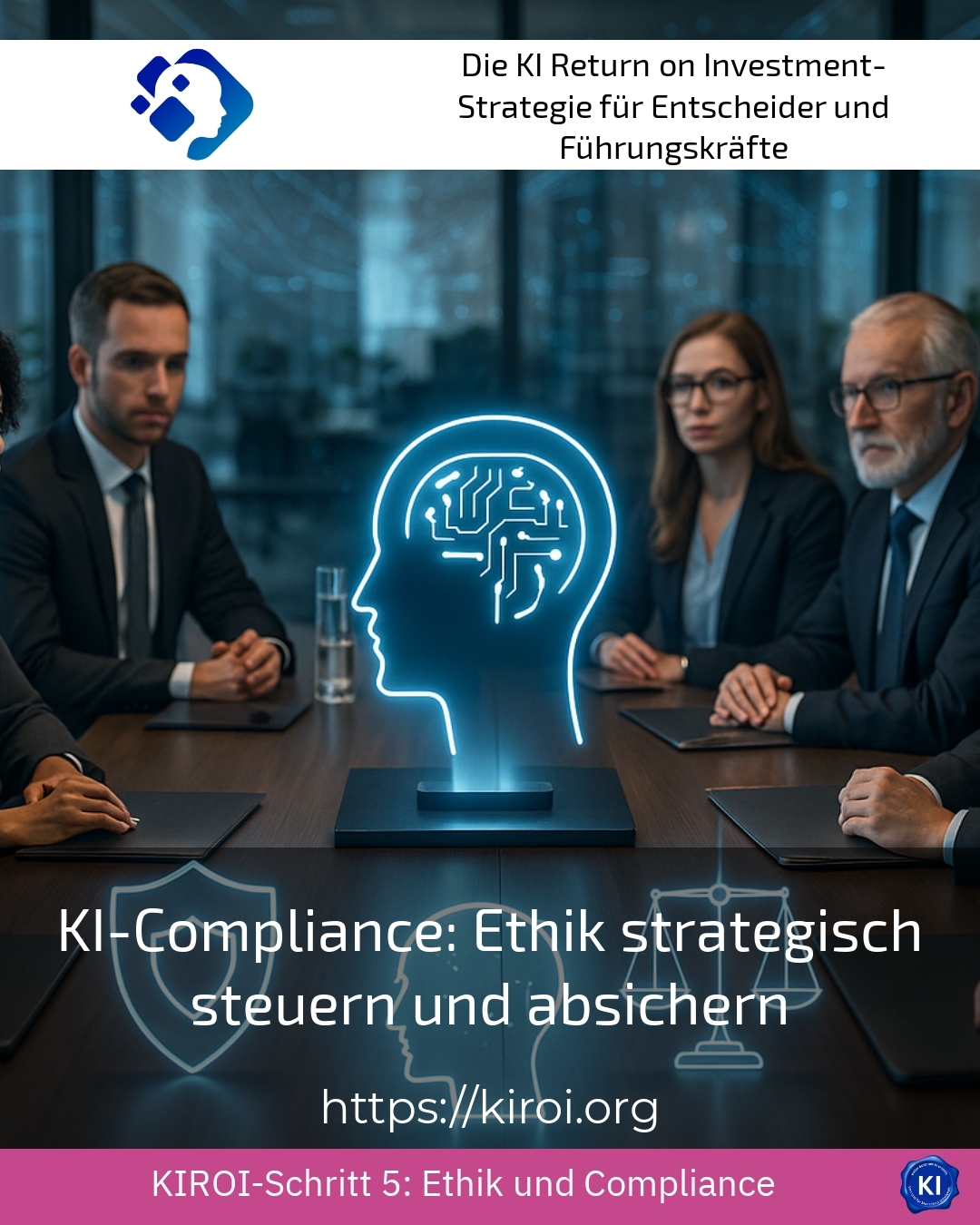
Imagine your organisation uses automated decision-making systems. These systems make hundreds of judgments about people every day. But who is responsible when something goes wrong? The AI Compliance will become the crucial competitive factor of our time. Companies face the challenge of combining technological innovation with ethical principles. This is not just about legal requirements. It's about trust, reputation, and long-term business success. In this article, you will learn how to strategically anchor ethical governance.
Why ethical governance is indispensable today
Digital transformation is rapidly changing business models. Automated systems are taking over tasks that were previously reserved for humans. They analyse application documents and make preliminary selections for HR departments. They assess creditworthiness and decide on financing requests. They control production processes and optimise supply chains in real-time. This development brings enormous opportunities. At the same time, new risks are emerging that require strategic management. Organisations must understand that technological decisions always have ethical dimensions. An algorithm that systematically disadvantages certain applicant groups not only harms those affected. It also jeopardises the reputation of the entire company. Public sensitivity to such issues is continuously growing.
These challenges are particularly evident in healthcare. Diagnostic support systems analyse medical imaging data and provide preliminary findings. In doing so, they must take into account different skin types, body constitutions, and genetic backgrounds. A system that has been trained predominantly on data from a specific population group may produce incorrect results for other groups. Hospitals and clinics bear a special responsibility for their patients here. Automated assistance systems are also increasingly being used in nursing. These systems monitor vital signs and recognise critical changes early on. They must function reliably, as human lives can depend on them.
AI compliance as a strategic management tool
Many executives still see ethical governance as a tiresome duty. However, this view is far too shortsighted. Ethical frameworks are a strategic tool for value creation. They build trust with customers, employees, and investors. Companies with clear ethical standards attract talented professionals. They gain loyal customer relationships and secure competitive advantages [1]. AI Compliance This encompasses far more than merely adhering to statutory minimum requirements. It proactively defines the values the organisation wishes to embody. It establishes where technological boundaries should lie. It instils processes for continuous review and improvement.
Pharmaceutical companies use automated systems to accelerate research processes. They analyse molecular structures and identify promising drug candidates. In doing so, they must ensure that study data is representative of all population groups. Medical device manufacturers integrate learning algorithms into therapeutic devices and implants. These devices automatically adapt treatment parameters to individual patient needs. Manufacturers are responsible for safety throughout the entire product lifecycle. Health insurance companies also rely on automated risk assessment and claims management. They must avoid discrimination and ensure transparency.
Best practice with a KIROI customer
A medium-sized medical technology company faced the challenge of ethically securing a diagnostic support system. The system was intended to analyse radiological images and highlight abnormalities. As part of a transruption coaching, we supported the development of a comprehensive governance framework. Initially, we jointly identified all relevant stakeholders and their requirements. We conducted workshops with doctors, nursing staff, and patient representatives. These discussions revealed important perspectives that the development team would not have identified on its own. Subsequently, we defined clear criteria for fairness, transparency, and traceability. The company established an interdisciplinary ethics council with external experts. This council regularly reviews system performance and identifies potential improvements. The introduction of continuous bias audits proved particularly valuable. These audits systematically analyse whether the system treats different patient groups equally. The company now reports increased trust among hospital partners and accelerated approval processes.
The five pillars of effective AI compliance
Effective ethical governance is based on several supporting elements. The first pillar is strategic integration at the highest executive level. Boards of directors and management teams must actively embody and demand ethical principles. Without this commitment, any initiative will remain ineffective. The second pillar comprises clear governance structures with defined responsibilities. Every organisation needs individuals who are responsible for ethical matters. These individuals require sufficient resources and decision-making authority. The third pillar consists of robust processes for risk identification and assessment. Potential problems must be recognised early before they cause harm. The fourth pillar calls for transparency and traceability of all automated decisions. Affected individuals have a right to understand how decisions are made. The fifth pillar establishes mechanisms for continuous monitoring and improvement [2].
Biotechnology companies use automated systems for genetic analysis and therapy planning. These systems process highly sensitive health data with far-reaching implications. The companies must prevent genetic discrimination and ensure data protection. Rehabilitation clinics rely on intelligent movement analysis for therapy optimisation. The systems capture patient movements and suggest individual exercise programmes. They must respect the dignity and autonomy of patients in doing so. Health apps for prevention and self-management are also gaining importance. These apps provide recommendations on diet, exercise, and lifestyle. Their providers are responsible for the quality and safety of their advice.
Practical implementation in daily business operations
The theoretical foundation of ethical principles is only the first step. Consistent implementation in day-to-day operations is crucial. Clients often report difficulties with practical integration. They know the principles but don't know how to live them. This is where transruption coaching can offer valuable impulses and support transformation processes. A proven approach begins with mapping all automated decision-making processes. Which systems make decisions about people? What data do they use? What are the consequences of their judgments? This inventory creates transparency and identifies areas for action. Subsequently, organisations prioritise according to risk potential and strategic importance. Not every system requires the same effort. Critical applications with high potential for harm warrant particular attention.
University hospitals use predictive systems to forecast disease progression. These systems assist in therapy decisions and resource planning. They must be methodologically sound and regularly validated. Nursing homes integrate assistance systems for fall prevention and emergency detection. These systems continuously monitor residents. Facilities must protect personality rights and privacy. Outpatient care services also benefit from digital tour optimisation and documentation. The systems plan routes, manage appointments, and record services. They should support nurses, not burden them further [3].
Best practice with a KIROI customer
A large hospital chain wanted to optimise its patient management through predictive analytics. The system was intended to predict readmission risks and enable preventative measures. Together, within the framework of transruption coaching, we developed a comprehensive implementation plan. We began by analysing existing processes and identifying critical interfaces. Subsequently, we defined ethical guidelines for the system's deployment. The hospital consciously decided against using certain data sources, such as socio-economic indicators. This decision slightly reduced prediction accuracy but prevented potential discrimination. We established a training program for all employees with system access. The training imparted not only technical knowledge but also the ability for ethical reflection. Staff learned to critically question system suggestions and contribute their own expertise. Regular feedback rounds enable continuous improvement. The chain now reports improved quality of care with simultaneously strengthened patient trust.
Challenges in Implementing AI Compliance
The introduction of ethical governance mechanisms regularly encounters resistance. Technical teams sometimes perceive additional requirements as hindrances to their work. They view documentation obligations as bureaucratic overhead without any discernible benefit. Transparent communication about the purpose and rationale behind these measures helps here. Economic pressure can also jeopardise ethical principles. When competitors operate faster and more cheaply, the temptation to cut corners arises. Leaders must then demonstrate steadfastness and convey long-term perspectives. A further challenge lies in the technical complexity of modern systems. Even experts do not always fully understand how decisions are made. This lack of transparency makes ethical assessment and control difficult. Therefore, organisations must invest in explainability and traceability.
Telemedicine platforms connect patients with doctors via digital channels. They use automated triage to prioritise and manage requests. These systems must be medically sound and accessible at the same time. Pharmacies rely on digital consultation systems for medication interaction checks. The systems warn of dangerous interactions and suggest alternatives. They should support pharmacy staff, not replace them. Laboratory service providers are also increasingly automating analysis processes and report interpretation. Quality assurance must meet the highest standards [4].
Regulatory developments and their impact
European legislation is creating new frameworks for the deployment of technology. The European legal framework for automated systems defines risk classes and requirements. High-risk applications in the healthcare sector are subject to particularly strict regulations. Organisations must provide proof of conformity and fulfil documentation obligations. These regulatory requirements intersect with existing sector-specific regulations. In healthcare, extensive rules for medical devices and data protection already apply. AI Compliance must integrate and harmonise all these requirements. Companies that invest early gain a competitive advantage. They can bring products to market faster and speed up approval processes. Companies without strategic preparation risk delays and penalties.
Manufacturers of surgical robots must meet the highest safety standards. Their systems directly intervene in surgical procedures and influence treatment outcomes. Approval requirements include technical testing and clinical studies. Providers of patient management systems process sensitive health data on a large scale. They must ensure data protection, data security, and ethical principles equally. Start-ups in the digital health sector are also facing increasing demands. They must establish and document compliance structures from the outset.
My KIROI Analysis
The strategic management of ethical principles in technology use is becoming a critical success factor. Organisations that underestimate this development jeopardise their future viability. They risk regulatory sanctions, reputational damage and loss of trust. At the same time, proactive action offers significant opportunities. Companies with robust governance structures gain customer trust and market share. They attract qualified employees and secure long-term competitive advantages. My analysis shows that successful organisations view ethical management as a strategic investment. They integrate value principles into development processes from the outset. They establish interdisciplinary teams comprising technology, ethics, law, and subject matter expertise. They create a culture of open discussion and continuous improvement. Technological development will continue to accelerate and raise new questions. Only organisations with flexible, adaptable governance structures will master these challenges. Transruption coaching can offer valuable guidance and support transformation processes. It provides impetus for strategic alignment and operational implementation. Clients frequently report increased decision-making confidence and clear frameworks for orientation. The investment in AI Compliance It pays off in the long run. It protects against risks while unlocking new potential.
Further links from the text above:
[1] European Commission – European approach to artificial intelligence
[2] WHO – Ethics and governance of artificial intelligence for health
[3] German Medical Association – Digitalisation in Healthcare
[4] BfArM – Medical Devices and Regulation
For more information and if you have any questions, please contact Contact us or read more blog posts on the topic Artificial intelligence here.











 Deutsch
  English (UK)