
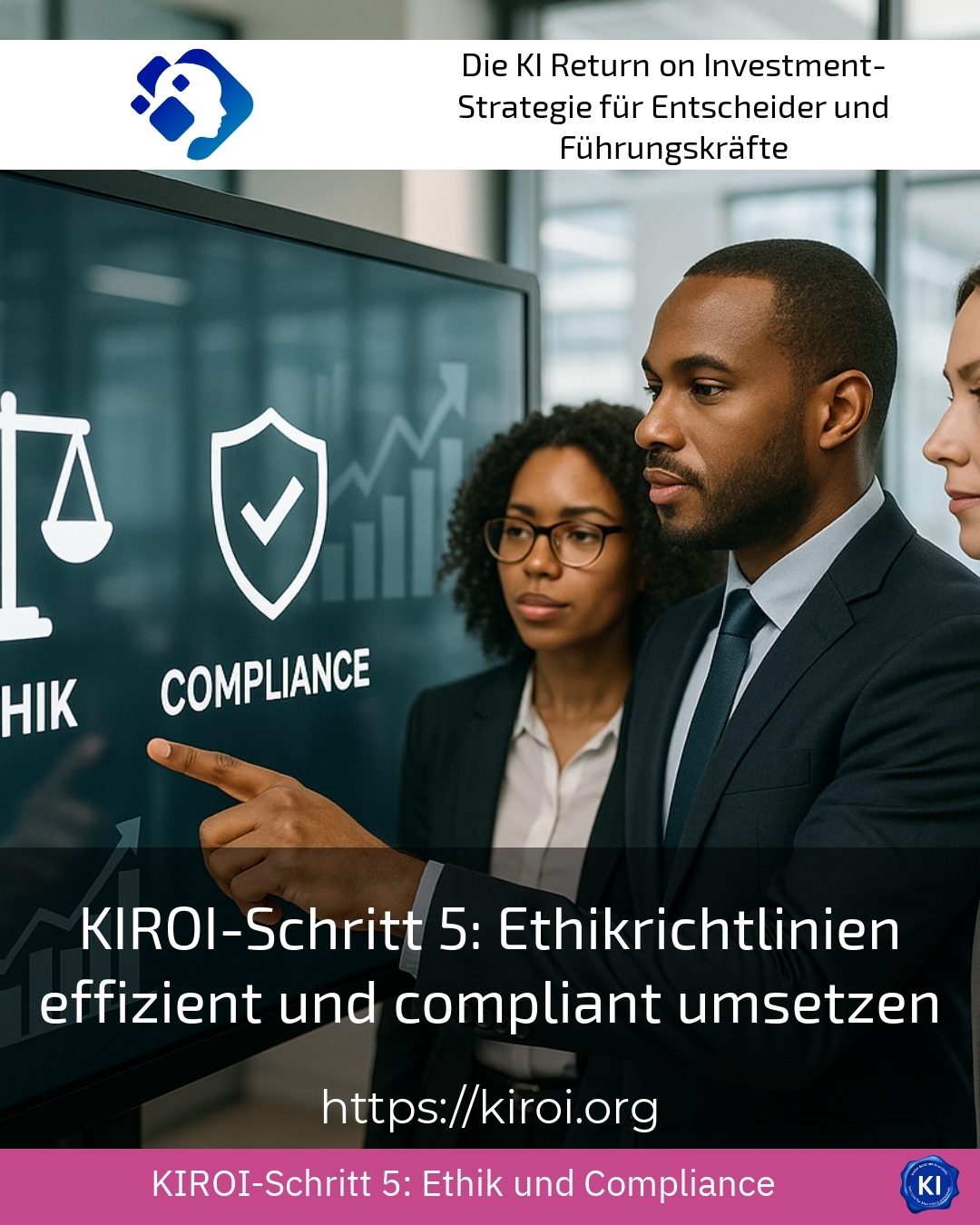
Ethical guidelines form the foundation for responsible conduct within companies. Their efficient and compliant implementation is key to building trust with employees, customers, and partners. Especially in complex work situations, ethical guidelines help provide clear direction and prevent misconduct. How these requirements can be applied pragmatically is repeatedly demonstrated in various ways across many industries.
Ethical guidelines as guardrails in everyday business life
Companies in the financial sector strategically use ethical guidelines to prevent corruption and conflicts of interest. For example, banks and investment firms establish transparent procedures that clearly prohibit the acceptance of gifts or invitations. This minimises the risks of financial misconduct and protects investor confidence. The obligation to report conflicts or misconduct is also often enshrined in ethical guidelines.
In the healthcare industry, ethical guidelines support medical personnel in handling patient data sensitively. Clinics formulate clear provisions on how information is to be treated confidentially and conflicts of interest avoided. In addition to data protection, the objective, respectful treatment of all patients is also part of ethics. This ensures ethical standards in care and respects people's dignity.
In the realm of digital marketing, companies are adopting ethical guidelines to prevent unfair practices. For instance, many agencies consciously refrain from using misleading SEO methods or manipulative content marketing. Adherence to clear codes of conduct promotes credibility and fairness towards customers and in competition. This strengthens the brand and customer trust in the long term.
Implementing ethics guidelines efficiently and compliantly
Efficiency in implementing ethics policies means seamlessly integrating them into daily work. Practical documentation and regular training significantly aid this process. For example, HR case management is a central approach: employees are empowered to identify and address ethical questions early on. Managers can be supported through workshops and coaching for transruption coaching, enabling them to act confidently and compliantly in complex decision-making.
Additionally, compliance checks ensure that guidelines are not merely formally in place but are actively lived out. A company in the IT sector reported that regular internal audits and targeted feedback sessions led to a noticeable increase in the acceptance of ethical guidelines. Incorrect behaviour could be identified and corrected early on before it caused any damage.
Clear reporting channels for misconduct have proven effective in production. This allows every employee to confidentially pass on concerns or observations to an ethics contact person. For example, a car manufacturer established an anonymous whistleblowing system, which better ensures compliance with ethical guidelines and positively influences the working atmosphere.
Particular attention must be paid to complying with data protection regulations, especially with digital documentation. Consulting firms report that transparent and simple processes motivate employees to actively contribute their personal ethical standards. This is how ethical guidelines can be established as a living instrument within the company.
BEST PRACTICE with one customer (name hidden due to NDA contract)
In a medium-sized IT company, a practical concept for the introduction and implementation of ethical guidelines was developed through transruptive coaching. We supported managers in the communication and application of these rules. Employees particularly appreciate the clear recommendations for action in ethical conflicts and feel better supported, which strengthens overall compliance.
BEST PRACTICE with one customer (name hidden due to NDA contract)
A healthcare provider implemented ethical guidelines that govern the sensitive handling of patient data, while also providing regular awareness training for all employees. Through a combination of training and an internal reporting structure, violations were identified early and addressed with constructive measures.
BEST PRACTICE with one customer (name hidden due to NDA contract)
In the financial services sector, the introduction of ethical guidelines led to a significant reduction in conflicts of interest. The company established a compliance board that supports ethical dilemmas and proactively promotes exchange between different departments.
Ethical guidelines as a standing order for sustainable success
Ethical guidelines are not a one-off project, but a constantly living element. Regular review and adaptation to new legal or societal requirements are part of this. Companies report that through continuous communication and active involvement of employees, ethical principles can be deeply embedded in everyday business operations.
The key is not just to issue prohibitions, but to provide positive momentum for inclusive and responsible action. Transruption coaching enables leaders and team members to be individually supported on this path and to reflect on concrete real-life situations together. This way, they support the implementation of ethical guidelines in the complex interplay of compliance, economic efficiency, and social responsibility.
My analysis
The practical implementation of ethical guidelines significantly contributes to strengthening corporate culture. It protects against misconduct and supports sustainable business practices. Through clear processes, regular training, and an open communication culture, efficient and compliant application is achieved in everyday business. Transruption coaching offers valuable impulses on how ethical guidelines can remain alive and support those responsible in difficult decisions. Thus, ethics becomes a lasting success factor.
Further links from the text above:
Ethical Guidelines • Definition – Gabler Economics Lexicon
CSR Definition: When Companies Do Good – JobTeaser
Mastering ethical guidelines: KIROI Step 5 for decision-makers
Code of Conduct and Ethics Policy – Survitec
For more information and if you have any questions, please contact Contact us or read more blog posts on the topic Artificial intelligence here.











 Deutsch
  English (UK)