
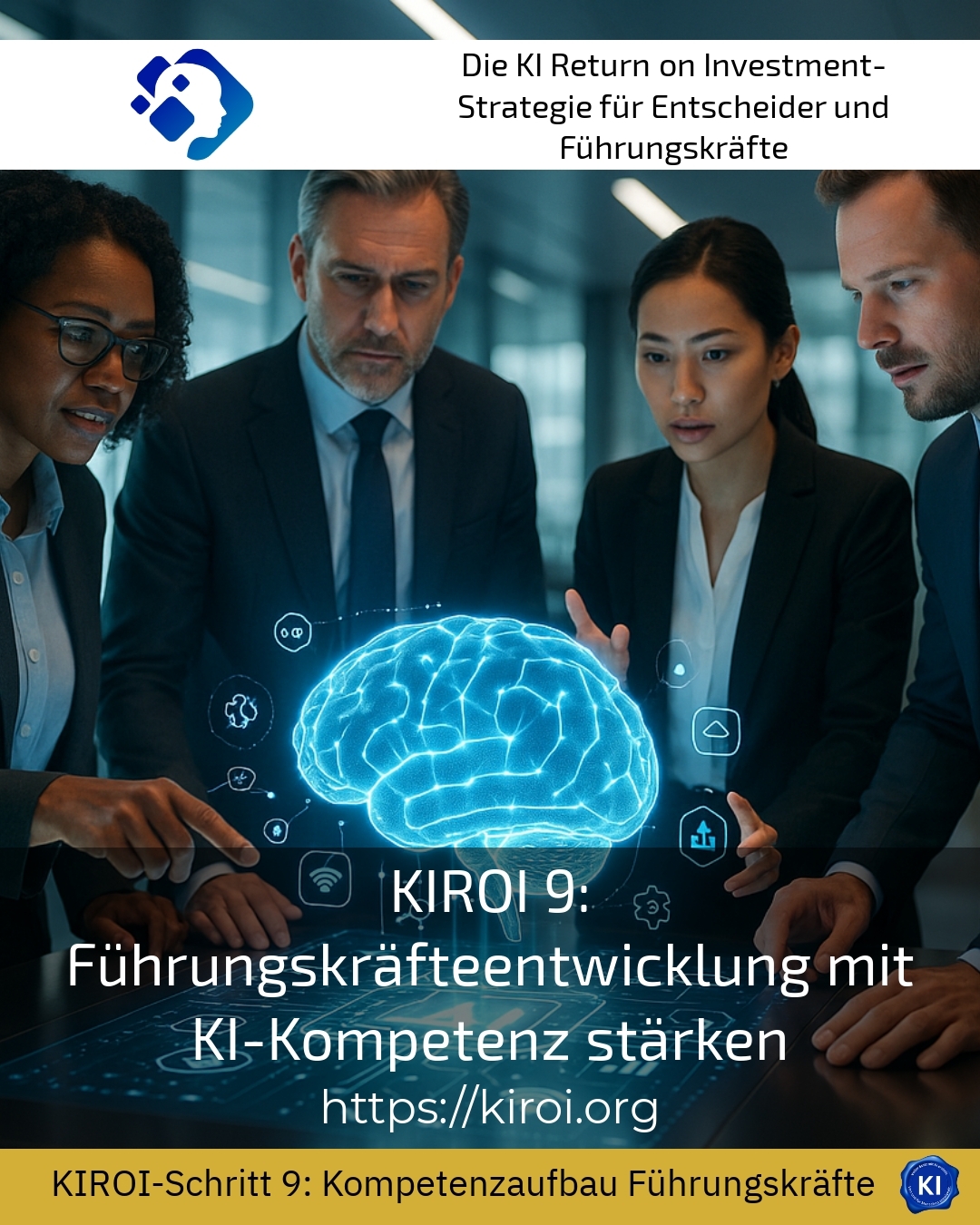
More and more companies are recognising the importance of targeted leadership development. Especially in times when technologies and ways of working are changing rapidly, leaders need new competencies. Artificial intelligence plays a crucial role in this. It supports leaders in expanding their skills and mastering challenges more effectively. The combination of classic methods and modern digital tools creates new opportunities for leadership development.
Why Leadership Development is Different Today
Seminars and workshops used to be central to leadership development. Today, that's no longer enough. Leaders need to be flexible, understand new technologies, and work with teams in different formats. Many companies therefore rely on digital learning formats, coaching, and individual development plans.
A practical example: In a medium-sized company, a management training course was combined with online modules. This allowed participants to learn flexibly while simultaneously applying their new knowledge to their daily work. Another example is an international company that uses rotation programmes. Managers temporarily move to different departments to develop a holistic understanding of business processes. A third example is also worth mentioning: a technology company relies on peer coaching. Here, managers regularly exchange ideas and give each other feedback.
Leadership Development with AI Competence
How AI supports leadership development
Artificial intelligence can support leadership development in a variety of ways. It analyses data, provides personalised learning recommendations and helps with the reflection of leadership behaviour. Many companies are using AI tools to collect feedback and identify development needs.
For example: A company uses an AI system that analyses communication between managers and employees. The results help to identify strengths and weaknesses and to take targeted action. Another example: An AI-powered learning portal recommends individual online courses to managers. The content adapts to the user's development level and needs. A third example: A company uses AI to automate 360-degree feedback. Managers receive feedback from various perspectives more quickly and comprehensively.
Practical application in leadership development
The practical application of AI in leadership development is diverse. Many companies are using AI tools to create and monitor development plans. The systems help to document progress and to make targeted adjustments.
For example, a company uses an AI tool that regularly assigns practical tasks to managers. The results are automatically evaluated and integrated into the development plan. Another example: an AI system supports the planning of mentoring programmes. It specifically matches mentors and mentees and accompanies the process. A third example: a company uses AI to evaluate the success of training courses. The data helps to measure the effectiveness of the measures and to improve them.
Leadership Development in Everyday Life
Workplace learning
Workplace learning is an important component of leadership development. Many companies rely on job rotation, development-oriented tasks and mentoring. These methods combine real-life challenges with structured learning.
Here is an example: A company offers managers the opportunity to rotate through different departments for short periods. This helps them to better understand the interrelationships within the company. Another example: A company uses mentoring to utilise experienced managers as sparring partners for younger colleagues. A third example: A company focuses on development-oriented tasks. Managers take on projects that challenge and expand their skills.
Coaching and feedback
Coaching and feedback are central elements of leadership development. Many companies use individual coaching to support leaders with specific challenges. Regular feedback helps to recognise progress and promote targeted development.
An example: A company offers regular coaching sessions for managers. Coaches support them in reflection and the development of solution strategies. Another example: A company uses 360-degree feedback to evaluate managers from different perspectives. A third example: A company relies on peer feedback. Managers give each other feedback and support each other in further development.
BEST PRACTICE with one customer (name hidden due to NDA contract) and then the example with at least 50 words.
In an international company, a leadership development programme was combined with AI tools. The executives received personalised learning recommendations and could track their progress in real time. Through regular feedback and coaching, they were able to specifically expand their competencies. The results were impressive: the executives reported increased confidence and better team performance. The combination of classic methods and modern technologies significantly improved leadership development.
My analysis
Leadership development is more central to corporate success today than ever before. The combination of classic methods and modern technologies offers new opportunities to promote and strengthen leaders. Artificial intelligence plays an important role in this. It supports the analysis, planning, and implementation of development measures. Companies that focus on targeted leadership development benefit from motivated and competent leaders. The future belongs to companies that continuously develop their leaders and utilise modern technologies in the process.
Further links from the text above:
Forum Verlag: Leadership Development – Methods and Concepts
Haufe Academy: Leadership Development – Guide and Tips
Brainershub: Leadership Development – Trends and Measures
For more information and if you have any questions, please contact Contact us or read more blog posts on the topic Artificial intelligence here.











 Deutsch
  English (UK)