
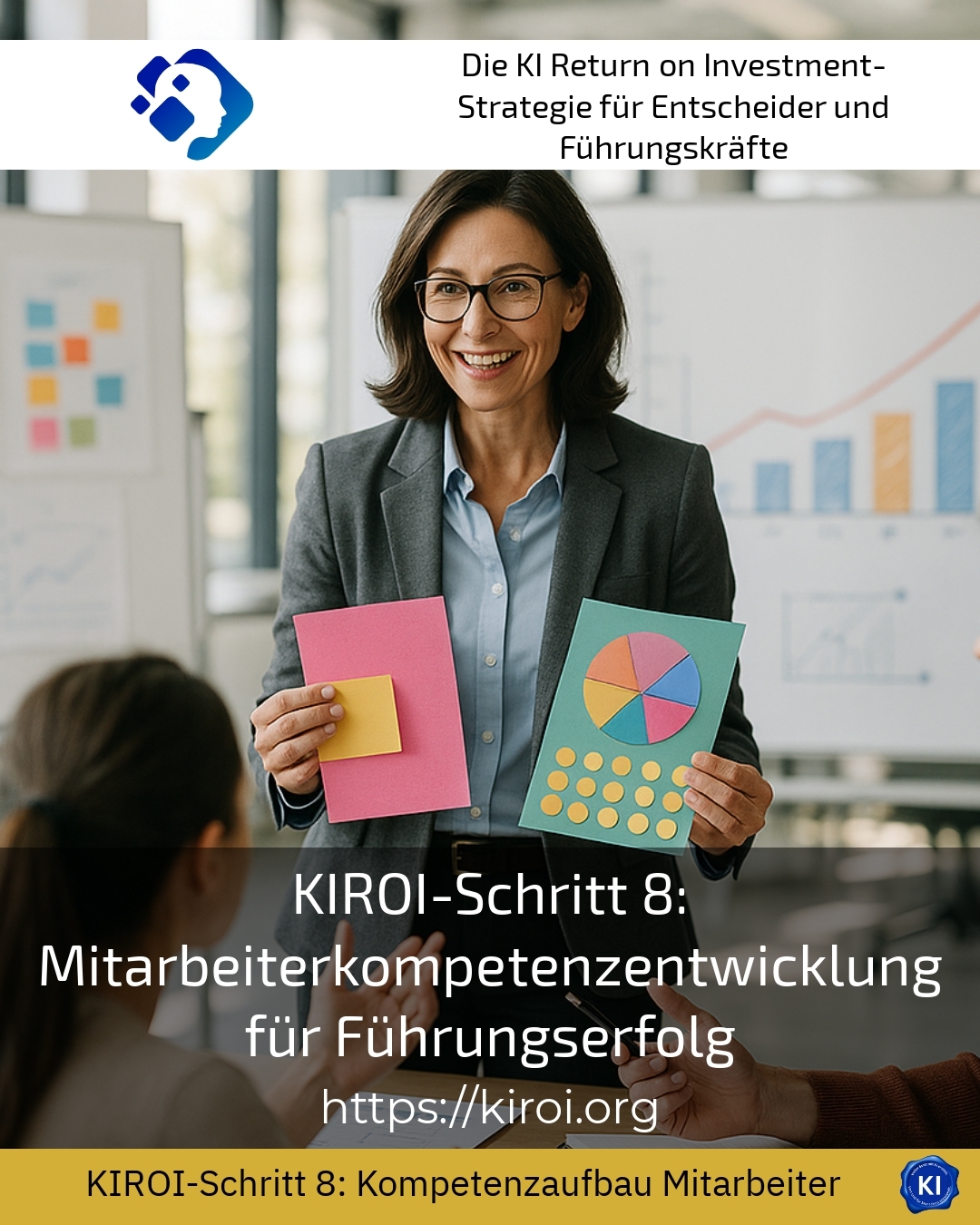
Employee competence development is an essential building block for sustainable leadership success. It supports companies in developing their employees in a targeted and needs-oriented manner. Especially in dynamic work environments, the ability of leaders to recognise and promote skills is becoming increasingly important. This is not only about technical knowledge, but also about methodological and social skills that are crucial for company success.
Fundamentals of Employee Competency Development for Effective Leadership
Developing employee competencies begins with a thorough analysis of the skills present and required within a team. Leaders should define which competencies are particularly relevant for their current and future projects. This allows for the targeted planning of development measures that align with individual and organisational goals. Methods such as job rotation, mentoring, or targeted training programmes are proven tools for this purpose.
A practical example: In a medium-sized IT company, job rotation allowed employees to get to know different departments and be deployed flexibly. This led to a better understanding among colleagues and increased problem-solving skills, which management has given positive feedback on.
Even in the finance industry, companies are increasingly relying on mentoring programmes. Experienced executives individually support emerging talent, thereby imparting not only specialist knowledge but also valuable social skills. This type of competence-oriented development has proven to be particularly effective because it is practical and personal.
Last but not least, product manufacturers use interactive workshops where employees try out new methods under guidance and learn from real challenges. This practical learning consolidates knowledge in the long term and supports managers in providing targeted impetus and overseeing the development process.
Strategies for sustainable employee skills development
An effective strategy combines various measures and adapts them to the needs of each employee. Coaching, for example, is a tried-and-tested method for fostering individual strengths and specifically addressing weaknesses. Through regular one-on-one meetings, managers can reflect on which competencies should be promoted and thus agree on tailor-made development plans.
In the automotive industry, clients frequently report that on-the-job training is particularly effective. Employees learn directly at the workplace and immediately apply new skills. This ensures learning transfer and allows managers to actively support staff even in challenging situations.
In parallel, digital learning platforms are gaining importance. In the consulting industry, teams use these tools to deepen their knowledge flexibly and autonomously. This allows competence development to remain vibrant and individually tailorable outside traditional face-to-face formats.
BEST PRACTICE with one customer (name hidden due to NDA contract) A mix of mentoring, workshops, and digital training was used within the scope of staff competence development. The project led to a measurable increase in leadership skills within the team, for example, through improved communication and conflict management.
Practical tips to support development
Leaders should foster an open feedback culture. Regular and constructive feedback helps employees identify their strengths and areas with development potential. Transparent communication builds trust and motivates continuous improvement.
Another tip is the targeted promotion of methodological skills. Those who learn to research, structure, and apply information independently can face challenges more flexibly. This is equally important in the industrial and service sectors and contributes to success.
In addition, managers should ensure sufficient opportunities for practical application. Learning content that is directly applied in projects or daily work is better remembered and boosts self-confidence. This leads to sustainable learning success, which has a positive impact on the entire team.
Staff competence development as a clear leadership element
The systematic development of skills is an essential pillar for successful leadership. Only those who recognise individual needs and propose suitable development paths can retain and motivate employees in the long term. Companies that invest in this area often report increased efficiency and innovative strength.
Whether it’s manufacturing, the IT sector, or service companies: the ability to develop employees in a targeted way helps managers to shape projects successfully and overcome challenges with confidence. Employee competency development is therefore not a one-off project, but a continuous process.
My analysis
Employee skills development is an indispensable building block for sustainable leadership success. Tailored development measures such as mentoring, coaching, job rotation, and digital learning offerings help teams to continuously expand their skills. Direct practical relevance is crucial here to ensure learning success. Managers should actively support this development and create open feedback cultures. This not only promotes individual further training but also makes the entire organisation more resilient and future-proof.
Further links from the text above:
Popular methods for developing the skills of company employees
11 Methods of Staff Development & Benefits
Successful Competence Development: Tips and Methods
Practical Guide to the Competency Model
Competence Development: Definition + Successful Examples
Competency Management Strategies and Methods
Successful Competence Development in 5 Steps
Skills development: importance and methods
For more information and if you have any questions, please contact Contact us or read more blog posts on the topic Artificial intelligence here.










 Deutsch
  English (UK)