
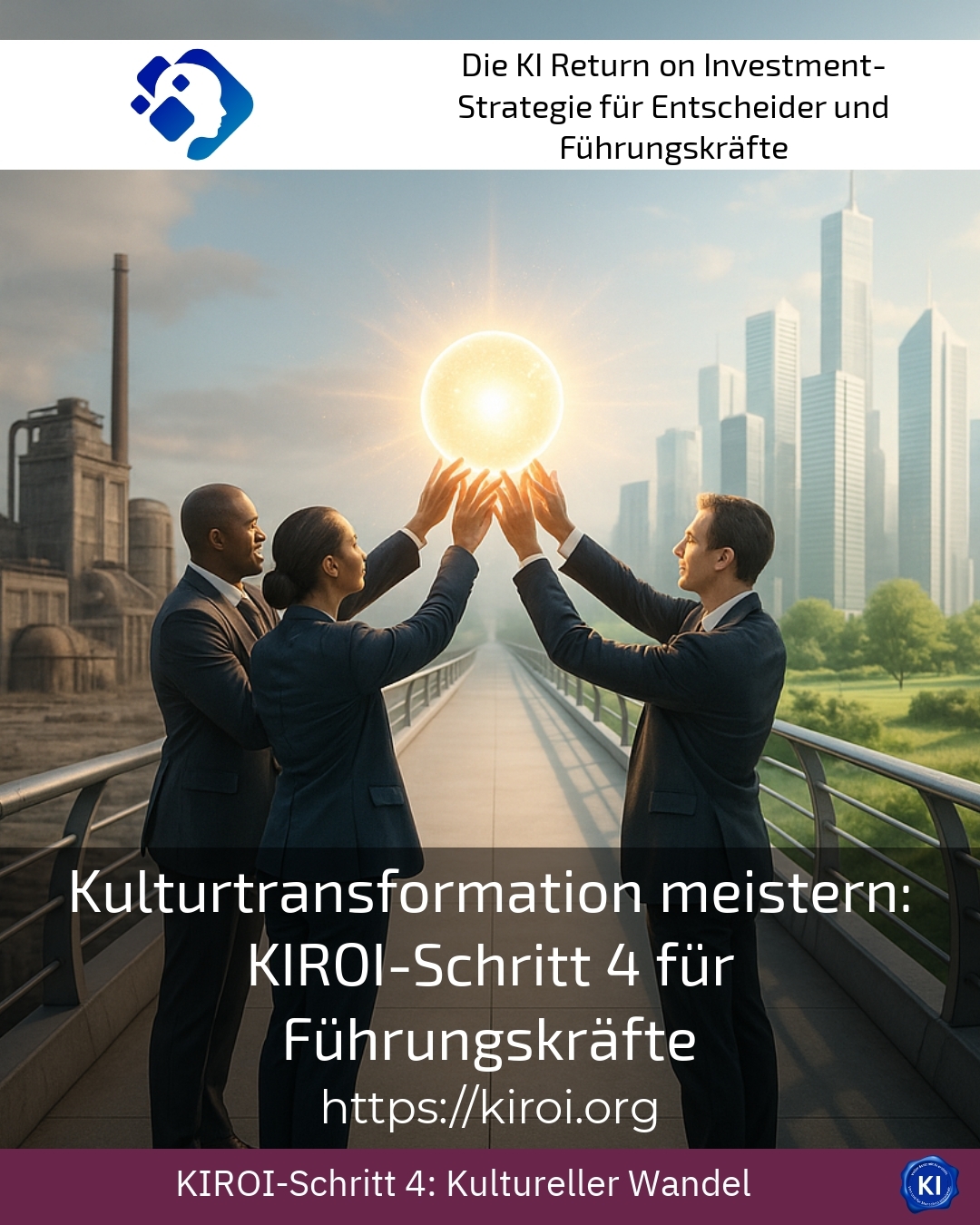
Culture transformation is a central process when organisations want to actively shape their future. Many leaders wonder how they can meaningfully guide this change. Culture transformation is becoming increasingly important, particularly in areas where values, collaboration, and innovation are the focus. Clients often report that they are seeking support in developing new leadership principles, integrating values, and creating a healthy working environment. The role of leaders is crucial in this regard. They are not only role models but also catalysts for sustainable change.
Cultural Transformation: The Role of Leaders
Leaders significantly shape an organisation's culture. They decide how values are lived out and how teams interact with each other. A culture transformation often begins with small steps. This includes reflecting on one's own attitudes and developing new paths together with employees. Many organisations use assessments to capture the current status and define goals together. This creates a clear picture of what needs to change and why.
A practical example: An assessment was carried out at a cultural institute to determine the values of its employees. The results were discussed by the leadership team. This led to joint core values, which were embedded throughout the entire team. The leaders actively embodied these values, thereby creating a seed for cultural transformation.
Another example: In an educational institution, orientation programmes for leaders were regularly offered. Participants learned how to inspire and motivate their teams. The new leadership principles were integrated into daily work. This created an environment in which employees felt valued and seen.
A third example: In one company, communication between levels was improved. Management focused on open discussions and regular feedback rounds. This led to increased trust and cohesion within the team.
Culture transformation in practice
Values as a basis for the workspace
Values are the foundation of any cultural transformation. They provide orientation and create common understanding. In many organisations, values are developed together with employees. This results in guidelines that are comprehensible to everyone. Leaders take on a role model function in this process. They show how values can be lived out in everyday life.
For example: In a cultural organisation, the value of respect was particularly emphasised. Leaders focused on open communication and regular feedback sessions. This created an environment where employees felt valued and seen.
Another example: In an educational establishment, the values of collaboration and mutual respect were integrated into daily work. Leaders organised regular team meetings to strengthen collaboration.
A third example: In one company, the value of innovation was particularly encouraged. Management relied on creative workshops and regular brainstorming sessions. This created an environment where employees could contribute their ideas.
Leaders as catalysts for cultural transformation
Leaders are the engine of any cultural transformation. They create the framework within which changes can succeed. This includes removing barriers and opening up new avenues. Many organisations use coaching programmes to support leaders in this. This creates an environment in which change is actively embraced.
For example: A coaching programme for leaders was offered in a cultural organisation. The participants learned how to inspire and motivate their teams. The new leadership principles were integrated into daily work. This created an environment where employees felt valued and seen.
Another example: In an educational institution, orientation programmes for leaders were regularly offered. Participants learned how to inspire and motivate their teams. The new leadership principles were integrated into daily work. This created an environment in which employees felt valued and seen.
A third example: In one company, communication between levels was improved. Management focused on open discussions and regular feedback rounds. This led to increased trust and cohesion within the team.
BEST PRACTICE with one customer (name hidden due to NDA contract) A cultural transformation programme was launched in a large cultural organisation. Leaders participated in an assessment to reflect on their own values and attitudes. Subsequently, shared guiding values were developed and integrated into daily work. The leaders actively embodied these values, thereby creating a nucleus for the cultural transformation. Regular feedback sessions and orientation programmes strengthened team collaboration. Employees reported increased well-being and higher motivation.
My analysis
Culture transformation is a process that requires time and commitment. Leaders play a central role in this. They are role models and catalysts for sustainable change. By integrating values, developing new leadership principles, and creating a healthy working environment, organisations can actively shape their future. Many clients report positive experiences and increased team well-being. Culture transformation is not a one-off act, but a continuous process that must be revisited time and time again.
Further links from the text above:
Leaders as catalysts for co-creative transformation
Culture transformation – 4 steps and 4 interconnections
Conscious culture transformation
Successful culture transformation for businesses
Organisational change of culture
Effective Leadership Principles: A Strategic Approach Explained
Cultural Change: The 7 Factors That Make You Successful
Cultural Transformation – Definition, Approach, Example
Mastering cultural transformation: AIROI step 4 for leaders
For more information and if you have any questions, please contact Contact us or read more blog posts on the topic Artificial intelligence here.









 Deutsch
  English (UK)