
The term counterfactual analysis is primarily found in the fields of artificial intelligence, big data and smart data, and digital transformation. This analysis helps companies to better understand decisions and to make them more targeted.
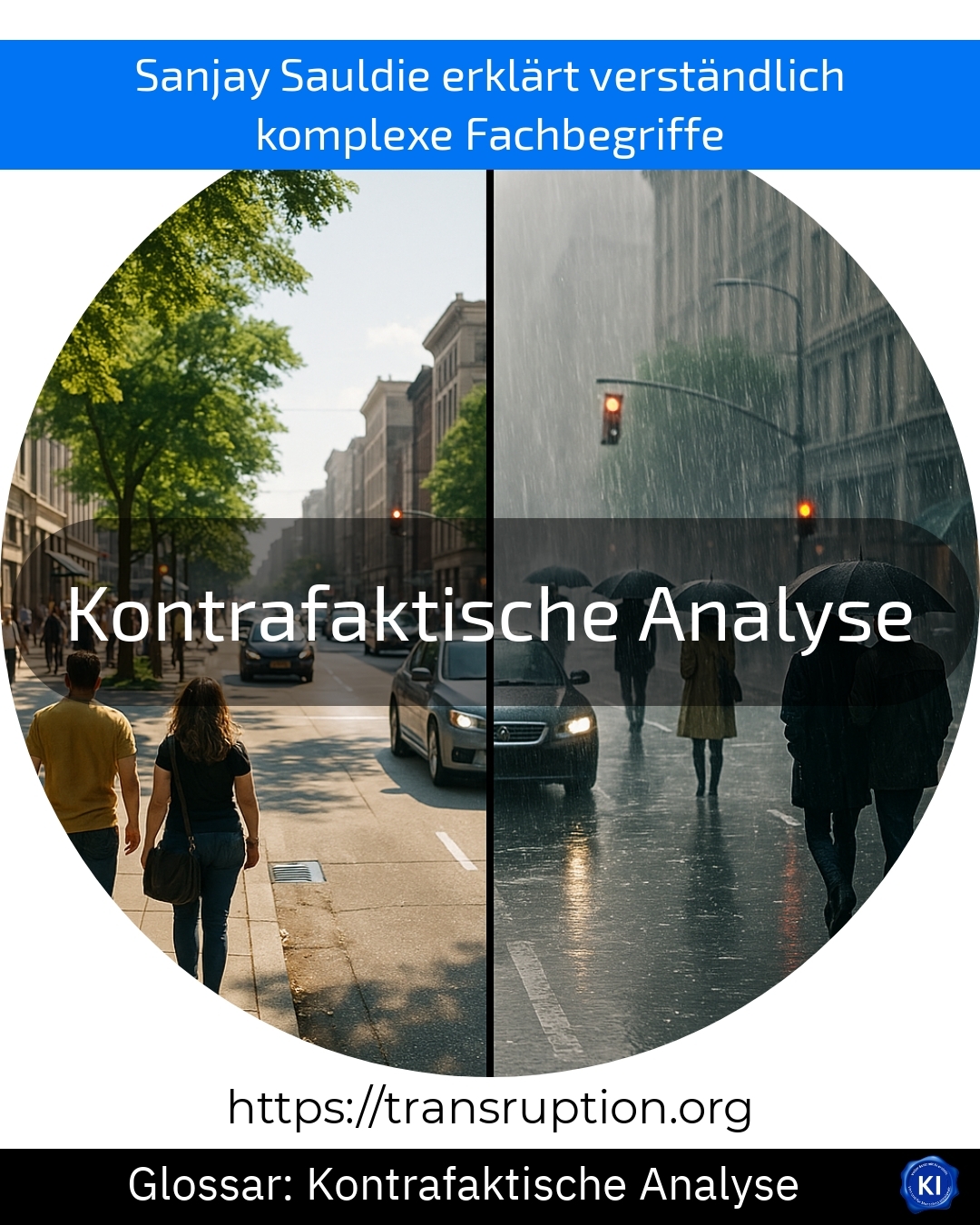
Put simply, counterfactual analysis asks: „What would have happened if we had done something differently?“ It therefore compares actual outcomes with possible outcomes had certain factors been changed.
For example, an online shop launches a new advertising campaign and notices that sales are increasing. A counterfactual analysis then investigates whether the increase was actually due to the campaign – or whether similar results would have been achieved without advertising. To do this, data from past sales are used and various scenarios are simulated with the help of algorithms.
This method helps companies to better assess the impact of decisions. It is particularly useful for evaluating advertising measures, price changes, or processes before they are implemented. This can save costs and minimise risks.
Counterfactual analysis is therefore a useful tool for anyone who wants to make data-driven decisions and permanently improve business processes.











 Deutsch
  English (UK)