kiroi.org

KIROI - Artificial Intelligence Return on Invest
The AI strategy for decision-makers and managers

Business excellence for decision-makers & managers by and with Sanjay Sauldie

KIROI - Artificial Intelligence Return on Invest: The AI strategy for decision-makers and managers

KIROI - Artificial Intelligence Return on Invest: The AI strategy for decision-makers and managers

Start » Mastering knowledge exchange: KIROI Step 1 for decision-makers
5 March 2025

Mastering knowledge exchange: KIROI Step 1 for decision-makers

4.7
(1644)

Knowledge sharing is a crucial factor in modern knowledge management, as it enables organisations to effectively share information, skills, and expertise, thereby fostering innovation. Through the systematic exchange of knowledge, companies can increase their performance and gain a competitive advantage. Knowledge sharing encompasses both explicit and tacit knowledge and can be supported by various methods and technologies, such as intranet platforms and collaborative tools[1][2][3].

Wissensaustausch ist der Prozess des Teilens und Austauschens von Informationen, Fähigkeiten und Know-how zwischen Individuen, Gruppen oder Organisationen.

Knowledge sharing refers to the process of exchanging information, skills, or expertise between individuals or groups within an organisation. This process is essential for improving mutual understanding and performance within organisations, primarily fostering innovation and problem-solving[2][4].

In today's fast-paced business world, the focus is often placed on the exchange of explicit knowledge, as it can be easily documented and shared. Implicit knowledge, on the other hand, is personal in nature and harder to transfer, as it encompasses skills and intuitions acquired through experience[1][4].

Examples of effective knowledge sharing

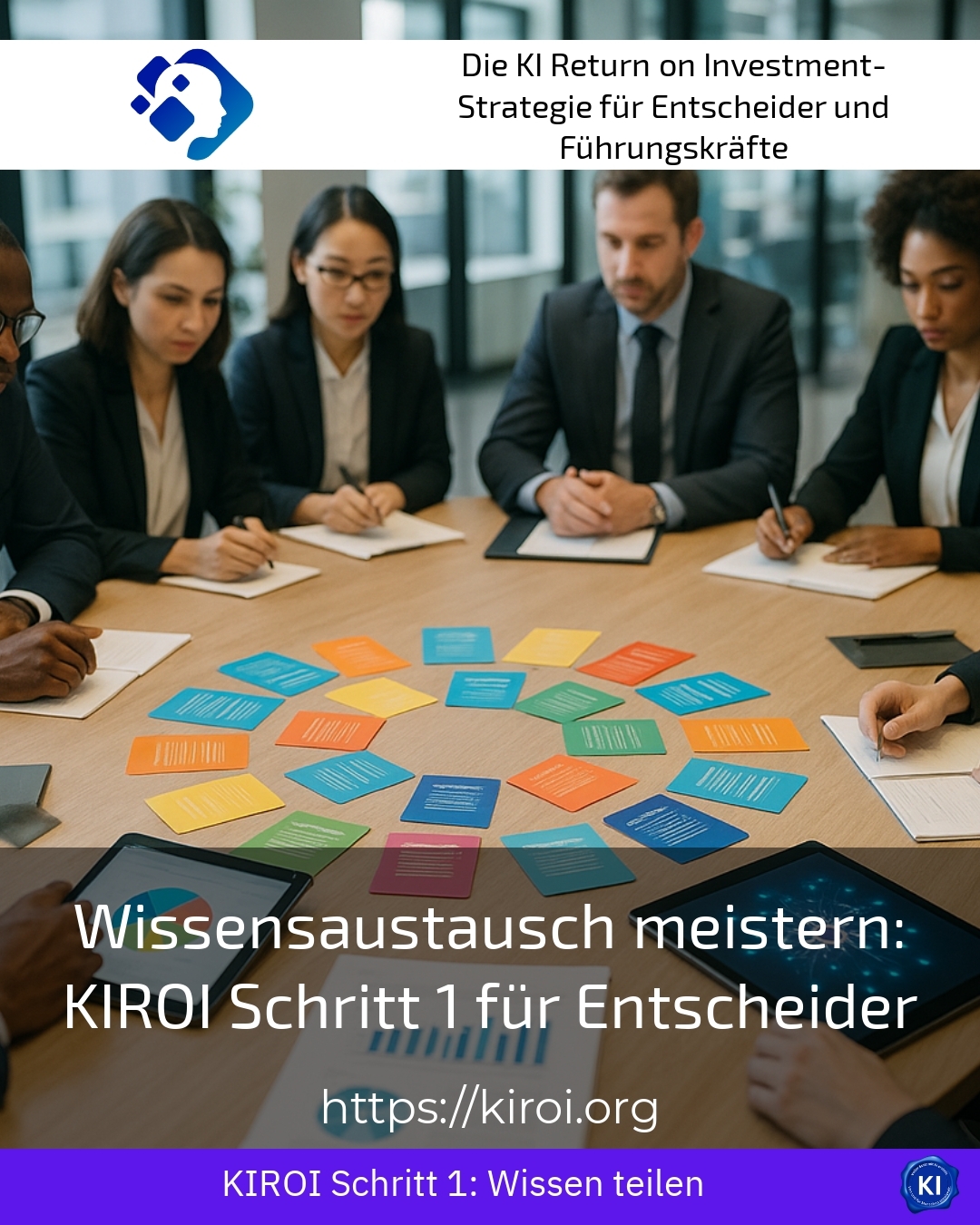
An example of successful knowledge sharing is the implementation of regular workshops within a company. These workshops offer employees the opportunity to share their expertise and to inspire each other with the experiences of others. Such a practice can enhance creativity within the organisation and contribute to the development of new ideas[3].

BEST PRACTICE with a customer (name hidden due to NDA contract): A leading technology company has developed unique internal communities to facilitate knowledge sharing across departments. These platforms enable employees to connect and share their expertise through blogs, videos, and interactive forums, leading to a significant boost in innovation.

Knowledge sharing as a competitive advantage

Effective knowledge sharing can represent a significant competitive advantage. Companies that succeed in sharing their knowledge effectively can adapt more quickly to market changes and are more innovative. This leads to better competitiveness and strengthens employee loyalty, as they feel part of a knowledge-based network[4][8].

Another advantage of knowledge sharing is the reduction of dependence on key individuals. When knowledge is widely disseminated, the risk of an employee leaving the company with their knowledge, thereby causing a loss of knowledge, is reduced. This helps to ensure the continuity of corporate strategy.

Methods for knowledge sharing

There are various methods for implementing knowledge exchange in practice. These include personalised knowledge transfer, where knowledge is exchanged directly between individuals, and codified knowledge transfer via special communication systems[5]. Examples include regular meetings, workshops, or the use of e-learning platforms[3].

BEST PRACTICE with a customer (name hidden due to NDA contract): A trading company has optimised its knowledge exchange by introducing an in-house podcast. This platform allows employees to share expert knowledge in an interactive and accessible format, which has led to a significant increase in employee satisfaction.

Challenges and Opportunities in Knowledge Exchange

Despite the advantages of knowledge sharing, there are also challenges. These include organisational barriers, such as outdated systems and siloed departments, and the need to foster a culture of transparency and collaboration[2].

An important aspect for overcoming these challenges is the implementation of modern technologies. Social media and collaborative platforms can facilitate knowledge sharing and enable a more efficient exchange of information[9].

Fostering a knowledge-sharing culture

To foster a culture of knowledge sharing, it is crucial to create open communication. This can be achieved through regular meetings, feedback opportunities, and the recognition of achievements. Such a culture not only supports the exchange of knowledge but also promotes collaboration between departments and teams.

BEST PRACTICE with a customer (name hidden due to NDA contract): A leading company in the sustainable energy sector has developed an open-source platform where employees can share their knowledge about innovative technologies. This has not only fostered knowledge sharing but also strengthened collaboration with external partners.

My analysis

In summary, knowledge sharing is a central component of knowledge management that can significantly influence a company's innovation, productivity, and competitiveness. By implementing effective strategies and technologies, organisations can achieve successful knowledge sharing, ultimately leading to a sustainable competitive advantage. It is essential to foster a culture of collaboration and overcome obstacles through the use of modern technologies.

Further links from the text above:

Knowledge exchange in knowledge management – tixxt

Knowledge Share – What is it? Definition & Tips

Knowledge Exchange: The Ultimate Guide – Easygenerator

What is knowledge sharing and why is it important? – Klutch App

Knowledge Transfer | Definition, Methods & Examples – persomatch

For more information and if you have any questions, please contact Contact us or read more blog posts on the topic Artificial intelligence here.
How useful was this post?

Click on a star to rate it!

Average rating 4.7 / 5. Vote count: 1644

No votes so far! Be the first to rate this post.

Spread the love

transruption.org

The digital toolbox for
the digital winners of today and tomorrow

Business excellence for decision-makers & managers by and with Sanjay Sauldie

transruption
transruption

transruption: The digital toolbox for
the digital winners of today and tomorrow

Start » Mastering knowledge exchange: KIROI Step 1 for decision-makers
5 March 2025

Mastering knowledge exchange: KIROI Step 1 for decision-makers

4.7
(1644)

Knowledge sharing is a crucial factor in modern knowledge management, as it enables organisations to effectively share information, skills, and expertise, thereby fostering innovation. Through the systematic exchange of knowledge, companies can increase their performance and gain a competitive advantage. Knowledge sharing encompasses both explicit and tacit knowledge and can be supported by various methods and technologies, such as intranet platforms and collaborative tools[1][2][3].

Wissensaustausch ist der Prozess des Teilens und Austauschens von Informationen, Fähigkeiten und Know-how zwischen Individuen, Gruppen oder Organisationen.

Knowledge sharing refers to the process of exchanging information, skills, or expertise between individuals or groups within an organisation. This process is essential for improving mutual understanding and performance within organisations, primarily fostering innovation and problem-solving[2][4].

In today's fast-paced business world, the focus is often placed on the exchange of explicit knowledge, as it can be easily documented and shared. Implicit knowledge, on the other hand, is personal in nature and harder to transfer, as it encompasses skills and intuitions acquired through experience[1][4].

Examples of effective knowledge sharing

An example of successful knowledge sharing is the implementation of regular workshops within a company. These workshops offer employees the opportunity to share their expertise and to inspire each other with the experiences of others. Such a practice can enhance creativity within the organisation and contribute to the development of new ideas[3].

BEST PRACTICE with a customer (name hidden due to NDA contract): A leading technology company has developed unique internal communities to facilitate knowledge sharing across departments. These platforms enable employees to connect and share their expertise through blogs, videos, and interactive forums, leading to a significant boost in innovation.

Knowledge sharing as a competitive advantage

Effective knowledge sharing can represent a significant competitive advantage. Companies that succeed in sharing their knowledge effectively can adapt more quickly to market changes and are more innovative. This leads to better competitiveness and strengthens employee loyalty, as they feel part of a knowledge-based network[4][8].

Another advantage of knowledge sharing is the reduction of dependence on key individuals. When knowledge is widely disseminated, the risk of an employee leaving the company with their knowledge, thereby causing a loss of knowledge, is reduced. This helps to ensure the continuity of corporate strategy.

Methods for knowledge sharing

There are various methods for implementing knowledge exchange in practice. These include personalised knowledge transfer, where knowledge is exchanged directly between individuals, and codified knowledge transfer via special communication systems[5]. Examples include regular meetings, workshops, or the use of e-learning platforms[3].

BEST PRACTICE with a customer (name hidden due to NDA contract): A trading company has optimised its knowledge exchange by introducing an in-house podcast. This platform allows employees to share expert knowledge in an interactive and accessible format, which has led to a significant increase in employee satisfaction.

Challenges and Opportunities in Knowledge Exchange

Despite the advantages of knowledge sharing, there are also challenges. These include organisational barriers, such as outdated systems and siloed departments, and the need to foster a culture of transparency and collaboration[2].

An important aspect for overcoming these challenges is the implementation of modern technologies. Social media and collaborative platforms can facilitate knowledge sharing and enable a more efficient exchange of information[9].

Fostering a knowledge-sharing culture

To foster a culture of knowledge sharing, it is crucial to create open communication. This can be achieved through regular meetings, feedback opportunities, and the recognition of achievements. Such a culture not only supports the exchange of knowledge but also promotes collaboration between departments and teams.

BEST PRACTICE with a customer (name hidden due to NDA contract): A leading company in the sustainable energy sector has developed an open-source platform where employees can share their knowledge about innovative technologies. This has not only fostered knowledge sharing but also strengthened collaboration with external partners.

My analysis

In summary, knowledge sharing is a central component of knowledge management that can significantly influence a company's innovation, productivity, and competitiveness. By implementing effective strategies and technologies, organisations can achieve successful knowledge sharing, ultimately leading to a sustainable competitive advantage. It is essential to foster a culture of collaboration and overcome obstacles through the use of modern technologies.

Further links from the text above:

Knowledge exchange in knowledge management – tixxt

Knowledge Share – What is it? Definition & Tips

Knowledge Exchange: The Ultimate Guide – Easygenerator

What is knowledge sharing and why is it important? – Klutch App

Knowledge Transfer | Definition, Methods & Examples – persomatch

For more information and if you have any questions, please contact Contact us or read more blog posts on the topic Artificial intelligence here.

How useful was this post?

Click on a star to rate it!

Average rating 4.7 / 5. Vote count: 1644

No votes so far! Be the first to rate this post.

Spread the love

Other content worth reading:

Mastering knowledge exchange: KIROI Step 1 for decision-makers

written by:

Keywords:

#InnovationDurchAchtsamkeit #Collaboration #Unternehmenskultur #Wissensaustausch #Wissensmanagement

Follow me on my channels:

Questions on the topic? Contact us now without obligation

Contact us

[wpforms id="331781" title="false"]

More articles worth reading

    Leave a comment