
Data intelligence for sustainable success in practice
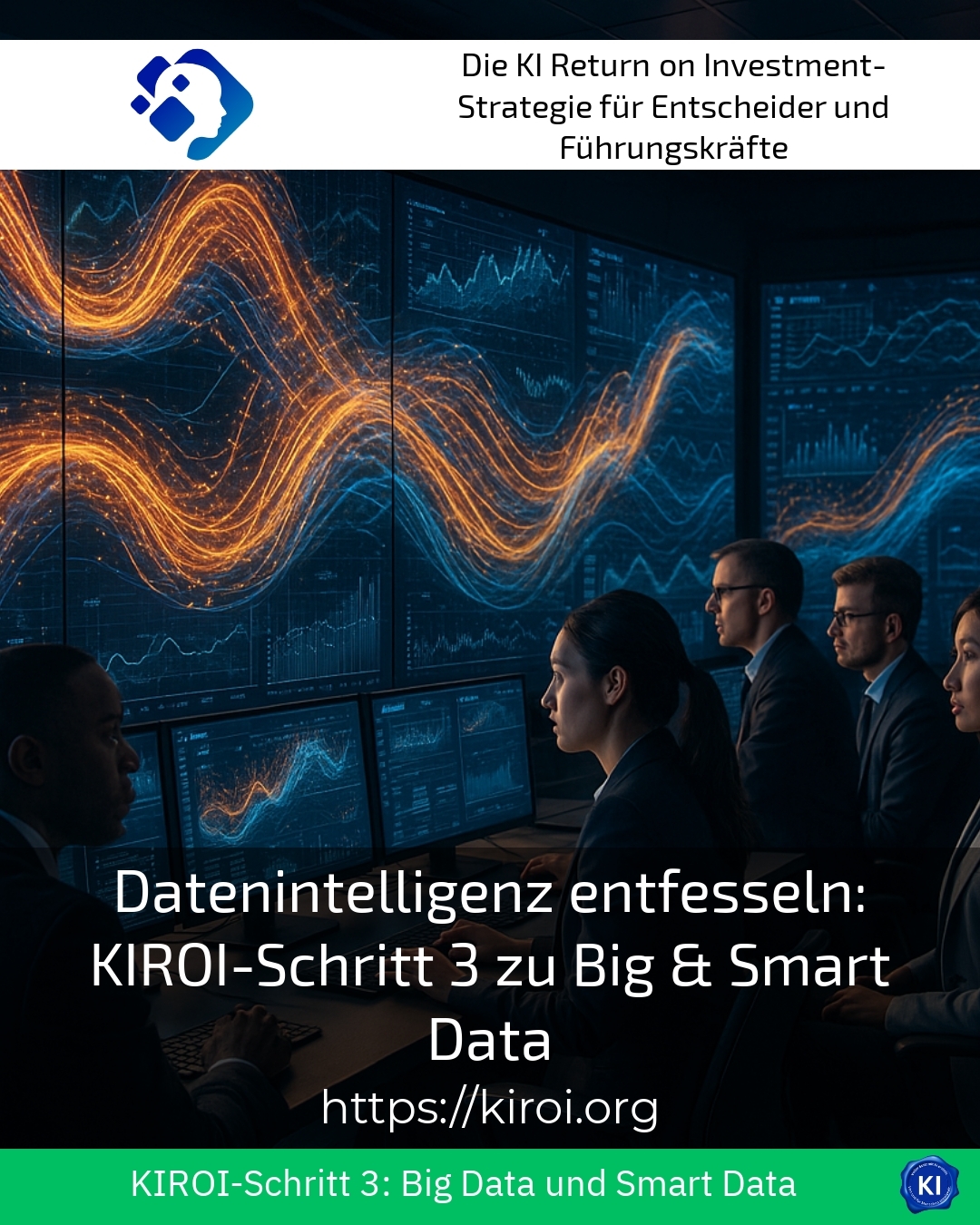
Data intelligence is increasingly important across numerous sectors, as it supports the targeted use of large volumes of data. Today, companies face the challenge not only of collecting vast amounts of data but, crucially, of extracting the right value from that data. This requires a combination of analytical competence and a strategic view of data quality.
Data Intelligence: More Than Just Data Collection
Many queries reveal that companies often don't know how to truly derive intelligent insights from large volumes of data. This presents an opportunity to develop data intelligence – a process that goes far beyond simply collecting Big Data. Instead, it involves the targeted filtering, evaluation, and preparation of data so that it can be used effectively in line with company objectives.
An example from the manufacturing industry illustrates this: Raw data from sensors on machines is processed through intelligent data management in such a way that maintenance cycles can be predicted, thereby minimising downtime. This is how unfiltered Big Data becomes Smart Data – data-intelligent, precise, and usable.
Similarly, in retail, data intelligence can help to better understand customer behaviour. Based on analysed data on purchasing habits and preferences, personalised offers can be developed. This not only increases customer satisfaction but also boosts sales.
Data Intelligence: Key to Decision Support
Data quality and relevance are at the heart of data intelligence. Many companies report that they can make significantly more informed decisions through targeted processing and contextualisation of data. The challenge lies in filtering out relevant data from the wealth of information and presenting it in a form that enables actionable insights.
In the logistics sector, for example, data-intelligent control helps to make supply chains more efficient. Real-time data is analysed to optimise transport routes and identify bottlenecks early on. This leads to higher delivery reliability and lower costs.
KIROI BEST PRACTICE at company XYZ (name changed due to NDA contract)
A manufacturing company was able to improve its plant availability with the support of data-intelligent methods. By analysing sensor data in real-time, an early warning system was developed that detects potential malfunctions and recommends timely measures. The company reports noticeable efficiency increases and better resource planning.
KIROI BEST PRACTICE at ABC (name changed due to NDA contract)
A service provider in the financial sector used data-intelligent methods to segment customer profiles more precisely. This enabled targeted communication with relevant offers, which increased the conversion rate. The support provided by KIROI coaches offered valuable impetus for the integration process of new technologies into existing systems.
KIROI BEST PRACTICE at DEF (name changed due to NDA contract)
A retailer used data-driven analytics to optimise its inventory management. The insights gained helped them better align order quantities with actual demand. This reduced overstocking and improved product availability for customers.
Data intelligence as ongoing support
Many who approach us are not looking for a quick fix, but for continuous support in sustainably building data-driven projects. Especially when introducing new technologies or transitioning from Big Data to Smart Data, clients report how helpful it is to have experts by their side to support them with project planning, implementation, and reflection.
KIROI sees itself as a partner that provides impetus and methodological support without promising perfect solutions. This creates a trusting collaboration with a focus on individually tailored processes and applications.
My analysis
Data intelligence is increasingly becoming the decisive factor in profitably leveraging the potential of digital data. Targeted methods are needed to extract relevant information and translate it into concrete business decisions. Practice shows that companies can increase their efficiency and better address customer needs through data-intelligent solutions. Professional support, which provides strategic and operational assistance, significantly contributes to the successful implementation of projects related to data-intelligent processes.
Further links from the text above:
[2] Big Data vs. Smart Data: Key Insights for Operational Optimisation
[3] Big Data vs. Smart Data: Is More Always Better?
[4] Big Data vs. Smart Data: Valuable Insights to Optimise Operations
[5] Big Data Basics: Definition, Smart Data
For more information and if you have any questions, please contact Contact us on or read further blog posts on the topic Artificial Intelligence Blog here.











 Deutsch
  English (UK)