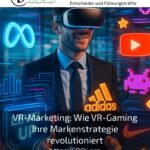
More and more companies are adopting innovative approaches to reach their target audiences. Particularly in the field of VR marketing, exciting developments are emerging. VR gaming is increasingly being used as a strategic tool to emotionally strengthen brands and create lasting customer enthusiasm. The combination of interactive experiences and gamified elements creates unique brand touchpoints that go far beyond traditional advertising.
Why VR gaming is important for brand strategies
VR gaming allows brands to invite their target audiences directly into their own world. Users don't just passively experience products and services, but actively engage with them. They become part of a story that they can help shape themselves. This strengthens the emotional connection to the brand and enhances the memory of the experience.
Many companies report that VR gaming enriches their brand strategy. Particularly in industries such as automotive, tourism, and manufacturing, playful VR applications are being used successfully. The advantages are clear: high levels of attention, intensive brand interaction, and unique experiences.
Real-world examples show how versatile VR gaming can be. For instance, a car manufacturer offers virtual test drives where users can try out different models and environments. A tour operator invites interested parties on a virtual tour where they can explore hotels and destinations. An industrial company demonstrates complex machinery in an interactive VR simulation.
VR marketing: How playful experiences enthuse customers
Virtual Product Presentations
Virtual product presentations are a central component of VR marketing. Customers can experience products in a realistic environment without being physically present. This is particularly advantageous for products that are difficult to transport or expensive to present.
One example is a virtual cabin presentation by an aircraft manufacturer. Interested parties can try out different seats and cabin variations, thus getting a realistic impression. Virtual tours are also offered in the real estate sector, allowing visitors to explore apartments and houses.
Another example is the virtual presentation of a luxury watch manufacturer. Customers can experience the watch in different scenarios and view details from all angles. This promotes understanding of the product and strengthens trust in the brand.
Interactive Brand Worlds
Interactive brand worlds create unique experiences that appeal to customers emotionally. Brands can convey their values and story in a playful way, building a deep connection.
An outdoor retailer is inviting customers on a virtual journey around the world. In a special VR installation, visitors experience different landscapes and adventures. This creates inspiration and strengthens brand identity.
Another example is a VR game for an innovation agency. Interested parties can discover the benefits of innovative technologies in a playful way and get to know the brand better in the process. Such interactive experiences leave a lasting impression.
Another example is a VR film for an energy supplier. Viewers experience electricity production up close, helping them to better understand the importance of sustainable energy. This promotes understanding of the brand and builds trust.
VR marketing in advertising
VR marketing is also successfully used in advertising. Brands integrate playful elements into their campaigns, creating unique experiences that generate attention.
An example is a VR campaign for a tourist destination. Interested parties can playfully try out various activities, thus getting a realistic impression of the possibilities. This encourages booking willingness and strengthens brand loyalty.
Another example is a VR campaign for a real estate provider. Children are asked to draw their dream home. The best submissions are brought to life using VR and presented in a video. This generates buzz and strengthens brand identity.
Another example is a VR game for a sports brand. Interested individuals can playfully try out various sports and experience the benefits of the products. This promotes brand loyalty and strengthens trust.
BEST PRACTICE with one customer (name hidden due to NDA contract) and then the example with at least 50 words.
An industrial company wanted a better way to communicate its complex mechanical engineering technology. In collaboration with iROI-Coaching, an interactive VR game was developed. Interested parties were able to experience the machines in action and try out various functions. This led to a significant increase in customer interaction and positive feedback. Brand loyalty was strengthened and sales figures rose.
My analysis
VR marketing offers companies diverse opportunities to strengthen their brand strategy. VR gaming creates unique experiences that emotionally engage customers and promote brand loyalty. The combination of interactive experiences and playful elements is particularly effective in generating attention and captivating customers long-term.
iROI-Coaching supports businesses in developing and implementing VR marketing strategies. Together, we find innovative solutions that strengthen your brand and inspire your target audiences. VR marketing is more than a trend – it's an opportunity to elevate your brand to a new level.
Further links from the text above:
VR in Marketing: Benefits, Examples and Best Uses – Program-Ace
Virtual Reality in Marketing for Industry and Aviation
Top 5 VR Marketing Strategies – Cominted Labs
Virtual Reality in Marketing: Examples and Benefits – MIXED.de
VR & AR in Marketing: Beyond the Hype, Real Applications for Your Brand
Virtual Reality in Marketing – Bandara
VR Applications: 7 exciting examples from digital pioneers
Virtual Reality in Marketing: A Framework, Review, and Research
For more information and if you have any questions, please contact Contact us or read more blog posts on the topic internet Return on Investment - Marketing here.






 Deutsch
  English (UK)