

The importance of emotional balance in everyday leadership
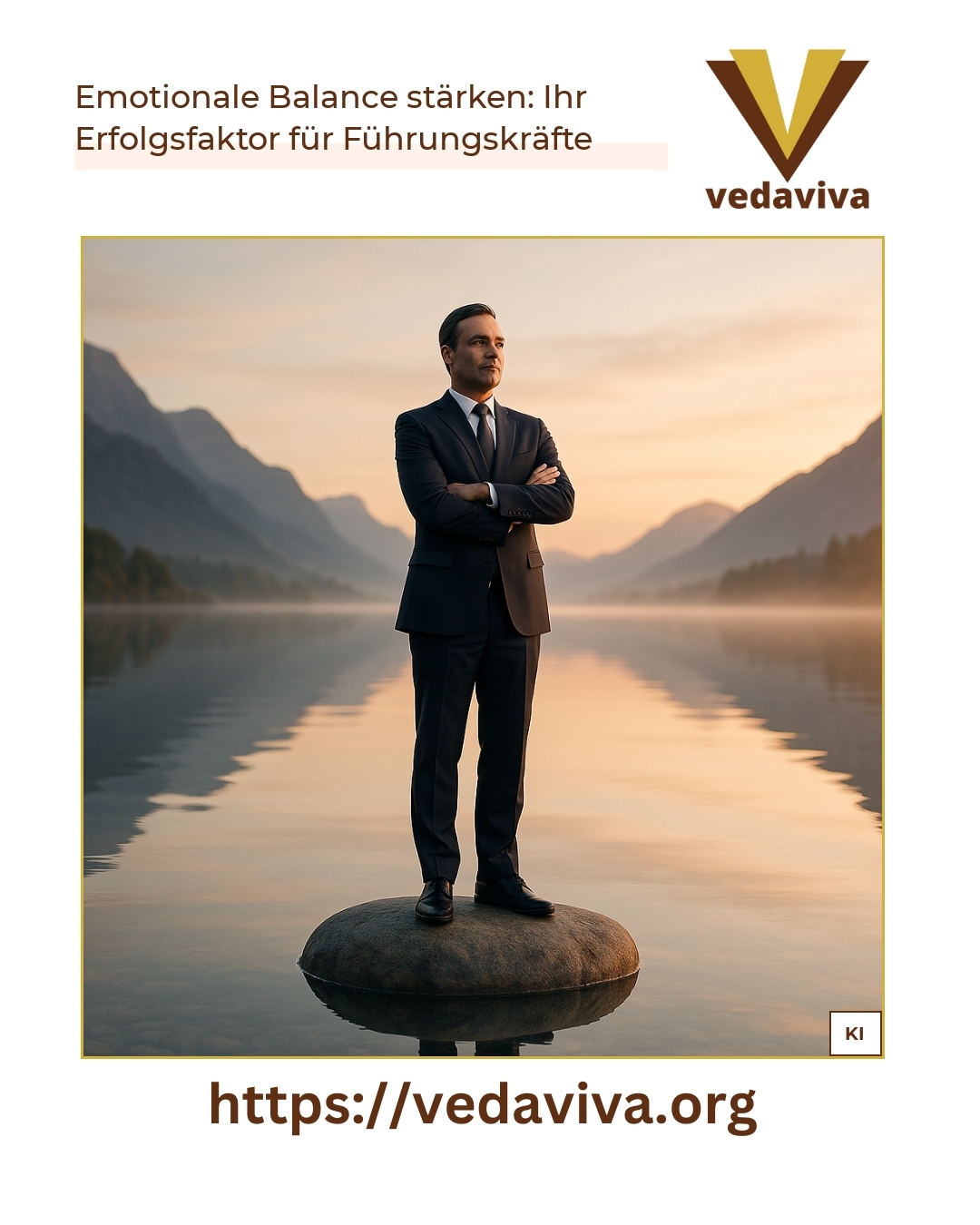
Strengthening emotional balance is a crucial success factor for leaders today. In today's fast-paced and often stressful working environment, the ability to regulate and constructively use one's own emotions frequently dictates clarity in decision-making and the quality of collaboration. Leaders who foster their emotional balance keep a cool head, even in challenging moments. This enables them to communicate motivatingly and empower their teams to achieve sustainable performance.
This isn't just about suppressing emotions. Rather, it focuses on consciously perceiving and deliberately managing one's own feelings. This competence directly impacts the atmosphere, motivation, and trust within the team. Those who can strengthen emotional balance create an environment where employees feel valued and engaged.
How leaders can strengthen emotional balance
Developing emotional balance requires conscious strategies and regular reflection. A successful approach is daily self-observation: leaders can ask themselves which emotions were particularly present on a given day and how they experienced them. This practice promotes a better understanding of one's own reactions and helps to act more calmly in the future.
Mindfulness and meditation exercises are also proven methods for promoting inner peace. This allows leaders to find moments of relaxation, which help them to reduce stress and think more clearly. Furthermore, seeking feedback contributes to improving awareness of how one's own emotions affect others.
Self-control is also important. It doesn't mean suppressing emotions, but rather a conscious approach to impulses. In this way, leaders can avoid impulsive reactions and act constructively instead.
Practical examples for strengthening emotional balance
BEST PRACTICE at company XYZ (name changed due to NDA contract) A leader introduced a weekly reflection session in the team where stressful situations and successes were openly discussed. This ritual helped to acknowledge emotions and significantly strengthened team spirit. The resilience of everyone involved visibly improved.
BEST PRACTICE at ABC (name changed due to NDA contract) A manager in the technology sector deliberately avoided impulsive reactions when a project went wrong. Instead, they remained calm and motivated their team to find solutions together. This behaviour sustainably improved the working atmosphere and led to successful project outcomes.
BEST PRACTICE at DEF (name changed due to NDA contract) A leader in the service industry integrated a weekly ritual of self-reflection into their daily routine. By consciously sorting through and acknowledging their own feelings, stress was significantly reduced. The team perceived the leader's calm demeanour as a stabilising factor.
Strengthening Emotional Balance as a Contribution to Team Success
Leaders who are emotionally balanced do more than just create a pleasant working atmosphere. They foster a culture of trust and openness, which increases the team's willingness to change and capacity for innovation. Strengthening emotional balance also means recognising and resolving conflicts early, before they strain the working environment.
This type of leadership supports the individual development of employees and makes colleagues more motivated. This way, companies benefit from increased productivity and lower staff turnover. Especially during periods of significant change, emotional balance supports the adaptability of everyone involved.
Impulses for sustainable leadership development
Besides self-reflection, exchanging ideas with like-minded people is one of the most important building blocks for the further development of emotional competence. Coaching or mentoring programmes offer spaces to discuss challenges and try out new strategies. In this way, every leader continuously strengthens their emotional balance.
With regular mindfulness exercises, a focus on self-awareness and constructive feedback, every leader can strengthen their emotional balance. This path significantly contributes to a sustainable leadership culture that fosters and stabilises teams in the best possible way.
My analysis
Strengthening emotional balance is not just a personal advantage for leaders, but a central lever for sustainable business success. Those who have their emotions under control and can empathise with their team not only create a trusting working environment, but also act as a motivating and stabilising force. The integration of small, but effective practices shows a clearly positive effect on team cohesion and quality of results – a success factor in every industry.
Further links from the text above:
[1] Emotional Intelligence in Leadership: The Key to Success
[2] Strengthen emotional balance: Your key to leadership success
[3] Emotional Leadership: The Most Effective Leadership Style?
[4] Strengthening emotional balance: Your success factor as a manager
[5] Emotional Leadership: Why Emotional Intelligence Today ...
Legal notice: Coaching does not replace therapy. It serves personal development. I do not diagnose or promise a cure. My offer is for personal development and is not a substitute for medical, psychotherapeutic or curative treatment. Please consult a medically qualified specialist if you have any health complaints. The experiences described here are based on individual feedback from my clients. They are not a guarantee of success and do not replace medical or therapeutic counselling. For more information and if you have any questions, please contact Contact us on the topic or read further blog posts on the Topic here.






 Deutsch
  English (UK)