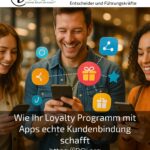
A well-thought-out loyalty programme helps companies to create sustainable customer loyalty. The use of apps, in particular, offers diverse opportunities to actively engage customers, provide incentives, and thus noticeably increase engagement. This article explores how modern loyalty programmes strengthen genuine relationships with the help of apps and which practical applications have proven successful in various industries.
The role of apps in loyalty programmes
Apps are now a central part of many loyalty programmes. They make it possible to reach customers directly on their preferred channel and simplify their interactions with the brand. Via an app, users can collect points, redeem rewards, or receive personalised offers – anytime and anywhere.
For example, the Marriott Bonvoy hotel loyalty programme, via its app, not only makes points for overnight stays accessible but also for car rentals and flights. The app also offers the possibility to share points with friends – an incentive that organically expands the customer base. Similarly, Walgreens' loyalty programme functions in such a way that its mobile app not only manages coupons and prescriptions but also offers live video chats with doctors, which significantly deepens customer loyalty.
Even in the grocery retail sector, companies like Rewe and Lidl are relying on apps that combine a variety of functions: collecting bonus points, redeeming discounts, and retrieving digital receipts. Studies show that 70 percent of German consumers are active users of such loyalty apps, primarily valuing the financial benefits and ease of use they offer[9].
Customer Experiences and Motivation through Gamification
Modern loyalty programmes with apps often rely on gamification, i.e. game-like elements, to actively motivate customers. Leaderboards, challenges or virtual badges make interacting with the programme more appealing.
A good example is The Honest Kitchen, a pet food brand that emotionally connects with customers by sharing stories about their pets and relating to shared values. Through the app, members earn points not only for purchases but also for active participation in the community. Fitness chains such as Trainmore and BodyResults also use rewards for visits and fitness achievements to motivate their members.
Through such playful incentives, the loyalty programme becomes more engaging and is more firmly embedded in customers' everyday lives. At the same time, valuable data is generated, enabling better personalisation and thus providing further impetus.
Innovative technologies for a unique loyalty programme
Virtual Reality (VR) and Augmented Reality (AR) are increasingly being integrated into loyalty programme apps to offer customers an immersive experience. This helps a programme stand out from the competition and creates lasting impressions.
This allows companies to deepen their connection with their brand through virtual experience worlds. Challenges and rewards become more tangible and emotionally anchored as a result[6]. Virtual reality not only stimulates the playful aspect, but also promotes enthusiasm and brand loyalty at the same time.
Examples of successful loyalty programmes
Many companies combine different approaches to strengthen customer loyalty. The range extends from simple point systems to subscription models with exclusive benefits.
Zalando Plus offers a paid loyalty programme where members receive free premium delivery and priority customer service – a significant incentive to attract repeat customers[5].
Amazon Prime is an exemplary loyalty programme that does not use points, but relies on a subscription model that bundles diverse benefits such as free shipping, extensive streaming offerings, and exclusive deals[4].
BEST PRACTICE with one customer (name hidden due to NDA contract) The loyalty programme was implemented via a bespoke app, which offers personalised promotions in addition to point collection. Customers received regular prompts via push notifications, leading to a significant increase in repeat purchase rates. The integration of gamification elements, such as leaderboards, further motivated users to remain active.
What companies should pay attention to during implementation
A loyalty programme should be tailored to the needs of the target audience and offer genuine added value. The application must be intuitive to use and contain exciting incentives to generate lasting interest.
It is recommended to ensure that various user segments are addressed through diverse rewards – from discounts and exclusive content to emotional experiences. Furthermore, transparent data protection is essential, as many consumers have concerns when using apps[9].
iROI-Coaching competently supports companies in the development and optimisation of loyalty programmes. This means projects benefit from strategic consulting right through to the implementation of innovative app solutions.
My analysis
A loyalty programme, through the targeted use of apps, can genuinely support customer retention and significantly improve the customer experience. The ability to simplify interactions and make them appealing through gamification or innovative technologies offers companies numerous opportunities. In the long term, this fosters sustainable customer loyalty and strengthens brand value.
Companies that design their programmes flexibly and individually also take their customers' wishes into account and remain competitive. The combination of user-friendliness, diverse reward formats and emotional bonding elements makes the difference.
Further links from the text above:
Loyalty Programmes: How They Work, Examples and Tips
The Best Loyalty Programmes: Tips and 11 Examples
The 20 Retail Brands with the Best Loyalty Programmes
6 Beispiele für Loyalitätsprogramme zur Kundenbindung
Customer Loyalty Programmes: 20 Examples & Ideas!
The future of customer loyalty – How a loyalty programme app makes the difference
7 examples of successful bonus programmes
7 powerful loyalty programmes for customer retention in e-commerce
Customer loyalty: Seven out of ten Germans use retail loyalty apps
What do good customer loyalty programmes achieve? Examples
For more information and if you have any questions, please contact Contact us or read more blog posts on the topic internet Return on Investment - Marketing here.






 Deutsch
  English (UK)