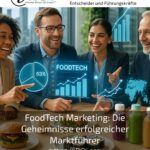
In the dynamic environment of food innovations, FoodTech Marketing is becoming increasingly important. Companies operating in this sector are constantly looking for effective ways to make their products and services visible and to build trusting relationships with their customers. FoodTech Marketing helps them achieve sustainable business success through smart strategies and targeted communication.
Strategic approaches in FoodTech marketing – what makes market leaders stand out
Successful companies in the FoodTech sector combine various marketing methods to precisely reach their target audiences. It's important to strike the right balance between digital and traditional channels. For example, many market leaders rely on personalised email campaigns that are tailored to customer preferences, thereby achieving significantly higher open and click-through rates. Additionally, content marketing and SEO enhance online visibility by providing informative and relevant content that is designed to meet the needs of the target audience.
This combination of analysis, personalisation and targeted content strategy makes the difference. This is how FoodTech marketing can not only increase leads, but also promote long-term brand loyalty.
BEST PRACTICE with a client (name omitted due to NDA agreement): This FoodTech startup uses differentiated email segmentation. Alongside classic product information, it also offers regional recipes. This led to a doubling of positive customer feedback in just three months.
The Potential of Storytelling in the Digital Age
The food industry thrives on stories. Origin, production, and special recipes are ideal for creating emotional connections. Successful FoodTech companies use this aspect for their marketing. Through podcasts, short videos, or blog posts, they tell stories that appear authentic and relatable.
An innovative example is provided by a company that offers insights into sustainable production processes with a weekly video clip. This not only increases transparency but also the trust of its customers and partners.
BEST PRACTICE with a customer (name withheld due to NDA agreement): A FoodTech provider combines webinars with live cooking demonstrations. The combination creates proximity and makes the offering tangible for the community.
Local engagement as a growth driver in FoodTech marketing
Many startups in the FoodTech industry begin with a regionally focused marketing strategy. This strengthens local brand awareness and builds a loyal community. Local events, targeted geo-ads, or collaborations with regional institutions create a connection that is often perceived as more convincing than traditional mass advertising.
This way, FoodTech marketing allows for a gentle but targeted market entry and secures valuable experience before nationwide or even international expansion steps follow.
BEST PRACTICE at a client’s (name withheld due to an NDA): This start-up promoted its offering at local sporting events and festivals, thereby increasing its customer base by more than 25% within a few months.
The significance of digital channels and paid advertising
In the digital world, SEO and Paid Ads play a central role in the success of FoodTech marketing. Campaigns based on carefully selected keywords reach the target audience where they are actively seeking solutions – for example, „healthy meals for busy professionals“ or „sustainable food innovations“. This significantly increases effectiveness while simultaneously reducing customer acquisition costs.
The mix of paid advertising and organic measures ensures sustainable reach. Social media also offers opportunities for engaging storytelling and direct interaction with the community.
BEST PRACTICE for a client (name omitted due to NDA): Through targeted Google Ads campaigns and collaborations with influencers such as well-known TV presenters, brand awareness was significantly increased – the product secured a permanent place in retail within a year.
My analysis
FoodTech Marketing is a complex and multifaceted field that goes far beyond mere product advertising. Successful market leaders rely on a thorough understanding of their target audience, use personalised communication, and tell authentic stories that evoke emotion. In particular, the combination of local engagement with digital visibility creates stable customer relationships. iROI-Coaching specifically supports companies in effectively managing their FoodTech Marketing projects and providing impetus for sustainable growth.
Further links from the text above:
Marketing strategies for the food industry – Callin.io
The Ultimate Guide to FoodTech Marketing Success – Gripped
New initiative promotes Spanish foodtech startups in Germany – Vegconomist
FoodTech in Germany – DigitalFoodLab
Food Tech Startup Marketing Strategies That Work – Oppizi
Between pressure, Red Bull and Kai Pflaume: How YFood made the leap... – Munich Startup
For more information and if you have any questions, please contact Contact us or read more blog posts on the topic internet Return on Investment - Marketing here.






 Deutsch
  English (UK)