

Digital Leadership is a crucial factor for success for modern decision-makers today. It not only combines technical know-how with strategic foresight, but also supports cultural development and promotes sustainable innovation. In an increasingly digital working world, it demands a new understanding of leadership, one that is not only based on control, but also on networking, trust, and adaptability.
Fundamentals of Digital Leadership: What Makes It Special?
Digital leadership describes the conscious use of digital technologies and methods to steer teams and organisations more effectively. This is not just about using tools, but primarily about transforming the leadership role itself. Decision-makers must possess digital competence, which includes technological understanding as well as skills such as data-driven decisions, virtual communication, and agile working methods[3][7].
For example, an international IT company uses collaboration platforms to seamlessly integrate distributed teams. Projects are planned digitally, tasks are allocated transparently, and feedback loops are realised directly via communication channels. This fosters trust and personal responsibility within the teams.
Digital leadership also enables creative agencies to react quickly to market demands, for example, through agile project methods such as Scrum or Kanban. Instead of rigid hierarchies, leaders promote self-organisation and dynamic process adaptation.
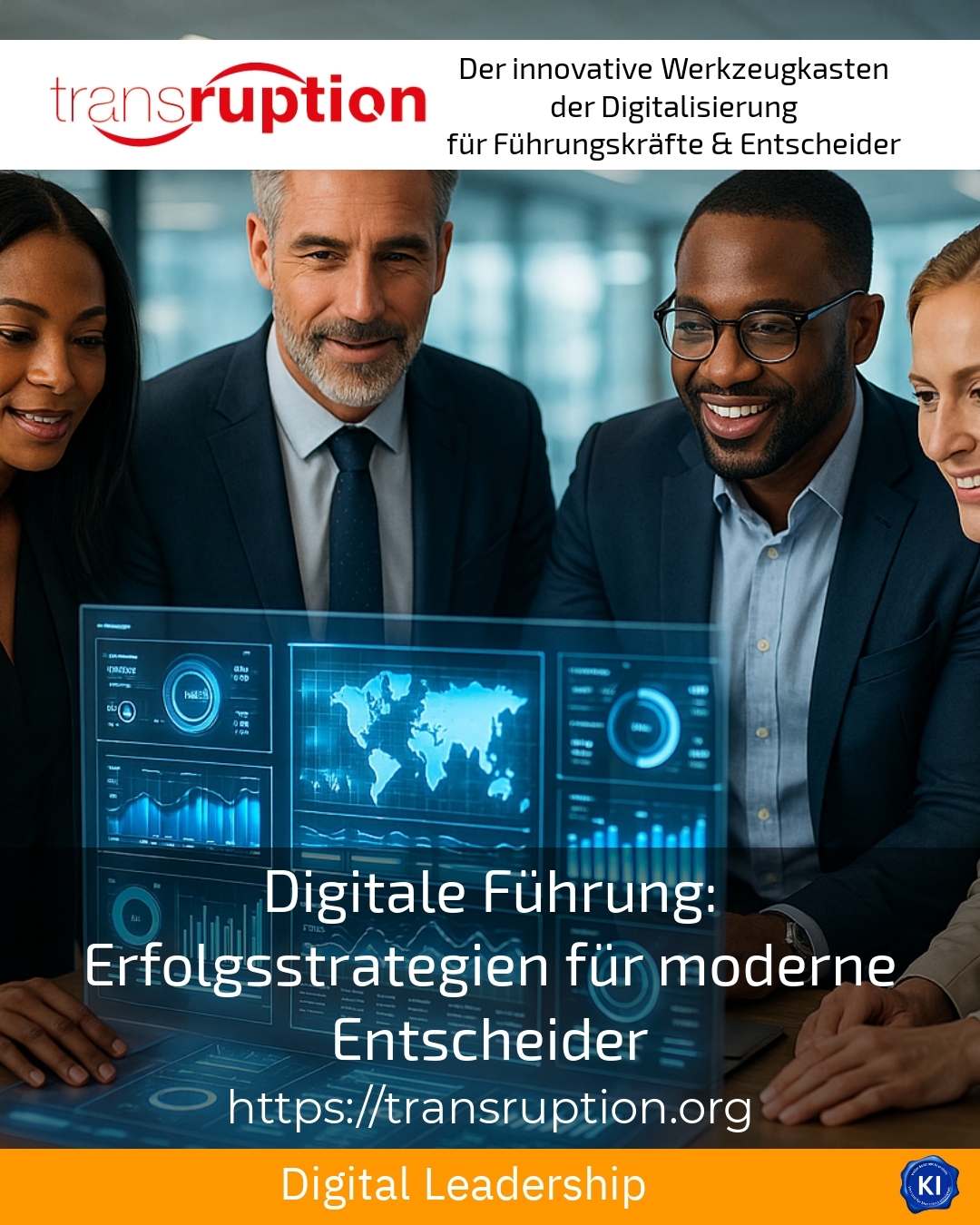
In the automotive sector, digital dashboards and real-time data analysis are used to support decision-making processes. This enables managers to monitor both product development and supply chains in real-time and derive early countermeasures.
Success strategies for modern decision-makers in digital leadership
A clearly defined digital vision is one of the first steps. It provides direction and motivates employees to actively shape the change. A global consulting firm has formulated a central vision for this, which combines technological innovation with sustainable business practices. The management consistently communicates this vision and ensures that it is lived out in all organisational units[1].
The SMART principle helps in formulating goals that are specific and measurable. Digital leadership requires flexible and attractive goals that are simultaneously realistic and time-bound. This is how a medium-sized mechanical engineering company creates clear milestones for its digital projects and involves employees through transparent progress reports[9].
Agility is another key factor for success. Managers in software development rely on regular retrospectives and short iterations to respond quickly to customer and market needs. This allows them to remain competitive and foster a culture of continuous improvement[6].
The establishment of a supportive corporate culture should not be underestimated. Leaders in the financial sector specifically promote psychological safety to give teams the freedom to try new things and view mistakes as learning opportunities. This open climate significantly increases innovation and employee engagement.
Focus on technological expertise and data-driven decisions
Professionalism in handling digital tools is essential for decision-makers. For a multinational trading company, this means understanding customer behaviour using AI-powered analyses to create perfectly tailored offers. Digital leaders actively manage this process, combining technical knowledge with strategic thinking.
Data-driven decision-making processes make it possible to identify opportunities and risks early on. For example, a telecommunications provider uses comprehensive dashboards to monitor customer feedback, network performance, and competitor data. This allows measures to be implemented quickly and in a targeted manner, which directly impacts customer satisfaction and efficiency.
Virtual communication is also gaining importance. Digital leadership promotes clear, open channels via video calls, chats, and digital whiteboards. In an international consulting firm, these channels are used specifically for informal exchange and team-building – a key factor for the cohesion of virtual teams.
Digital Leadership in Everyday Life: Practical Examples and Tips
Managers frequently approach us with questions about implementing digital methods and leadership in virtual environments. They are looking for input on how to handle hybrid working models or integrate new technologies.
A large logistics company implemented digital workshops to provide practical training for managers. This initiative was accompanied by transruption coaching as a continuous process to actively manage cultural change and reduce uncertainty.
Fostering personal responsibility is another tip. For example, an educational institution praises managers who empower their employees to make their own decisions through targeted delegation, thereby strengthening motivation and creativity.
The use of agile tools like Trello or Jira makes it easier for a startup to keep track of ongoing tasks. The open exchange there helps to identify obstacles early on and find solutions quickly, which at the same time fosters team spirit.
BEST PRACTICE at the customer (name hidden due to NDA contract) An international consulting firm implemented digital leadership in stages. First, a digital competency profile was developed to bring everyone involved up to the same level of knowledge. Following this, agile working methods and digital tools were introduced. Coaching accompanied the process to address fears of change and strengthen collaboration. The result was improved project quality and higher employee satisfaction.
My analysis
Digital leadership is more than a trend – it helps decision-makers provide direction in dynamic markets and successfully lead teams. The mix of technological expertise, agile mindset, and a cultivated communication culture creates the foundation for sustainable success. By developing a clear digital vision and implementing it with suitable models and methods, leaders effectively guide change and strengthen their organisation's innovative power.
Transruption coaching can help to shape change in a structured and human-centric way. It provides decision-makers with the security and practical impetus they need for future-proof digital leadership.
Further links from the text above:
Digital Leadership: Leading in the Digital Transformation – Haufe Academy
Digital Leadership: Success Factors for Leaders of Tomorrow - Sauldie
What is Digital Leadership? – Mooncamp
Successfully through digital transformation – Prosci
Digital Leadership: Definition, Competencies, Practice – Ben Schulz Partner
Digital Leadership: How decision-makers master change – Sauldie
For more information and if you have any questions, please contact Contact us or read more blog posts on the topic TRANSRUPTION here.












 Deutsch
  English (UK)