kiroi.org

KIROI - Artificial Intelligence Return on Invest
The AI strategy for decision-makers and managers

Business excellence for decision-makers & managers by and with Sanjay Sauldie

KIROI - Artificial Intelligence Return on Invest: The AI strategy for decision-makers and managers

KIROI - Artificial Intelligence Return on Invest: The AI strategy for decision-makers and managers

Start » Digital leadership: Success factors for future-proof leaders
3 November 2025

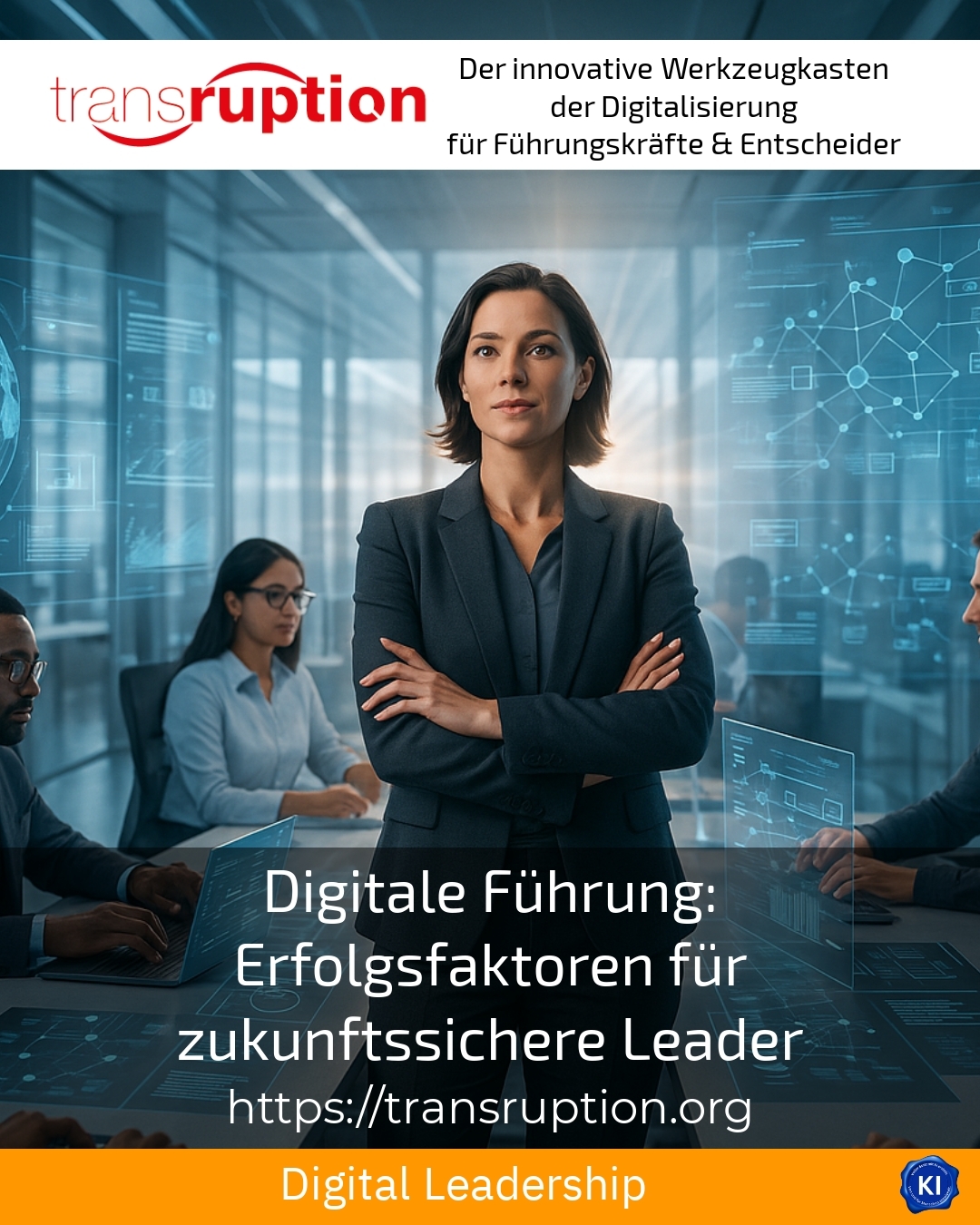
Digital leadership: Success factors for future-proof leaders

4.6
(1804)

Digital leadership is more than just using digital tools today. It is a mindset that accompanies organisations and teams through change. Many companies are looking for ways to become more flexible, transparent, and innovative. Digital leadership supports this process and provides impetus for sustainable success. Clients often report experiencing uncertainty, complexity, and the need for quick decisions above all else. Transruption coaching specifically supports such projects around digital leadership and helps to find new paths.

Digital Leadership: What does this mean in practice?

Digital leadership is evident in many areas. One example is the introduction of new customer interfaces. Companies use digital channels to reach customers more quickly and understand their needs better. Another example is the use of AI tools, which facilitate decision-making and accelerate processes. The digitalisation of internal processes is also part of this. The aim here is to make workflows more efficient and share information transparently.

Another example is the introduction of a new CRM system. Instead of adopting a top-down approach, many companies form pilot groups. These groups test the system, provide feedback, and generate suggestions for improvement. Management communicates transparently about milestones and obstacles. The result is high acceptance and a faster implementation than expected.

The use of project management tools is also an example of digital leadership. Teams work more flexibly and can coordinate their tasks better. Virtual meetings allow for quick coordination, regardless of location. This promotes collaboration and increases productivity.

Digital leadership: Success factors for future-proof leaders

Technological competence and curiosity

Digital leadership requires technological competence. Leaders must recognise the potential of new tools and platforms. They foster curiosity about new technologies and encourage teams to gain their own experience. One example is the use of AI tools to analyse customer data. Leaders provide impetus on how this data can be used to improve products and services.

Another example is the introduction of e-learning platforms. Managers are using digital learning content to promote soft skills and leadership abilities. Interactive exercises and short practical tasks make the learning content tangible and relevant to everyday life. Managers can flexibly integrate content into their daily work.

The use of data analysis tools is also an example of technological competence. Managers use data to make decisions and optimise processes. They provide guidance and create space for innovation.

Transparent communication and networking

Digital leadership thrives on transparent communication. Leaders use digital channels to share information clearly and regularly. They create networked structures and strengthen collaboration across locations. One example is the use of chat tools to quickly inform teams and clarify questions.

Another example is the use of video conferencing to make meetings more efficient. Leaders provide feedback and encourage exchange. They create space for open communication and support collaboration.

The use of knowledge platforms is also an example of transparent communication. Leaders share knowledge and experience to support teams. They promote networking and strengthen collaboration.

Empowerment and self-responsibility

Digital leadership promotes personal responsibility and empowerment. Leaders encourage teams to make their own decisions and take responsibility. They provide space for experimentation and mistakes. This promotes innovative strength and creates a culture of lifelong learning.

One example is the introduction of agile methods. Teams work in a self-organised manner and make their own decisions. Managers provide orientation and support the teams. They promote personal responsibility and create space for innovation.

Another example is the use of feedback tools. Managers provide regular feedback and encourage dialogue. They create space for open communication and support collaboration.

The use of project management tools is also an example of empowerment. Teams can organise their tasks themselves and take responsibility. Leaders provide guidance and support the teams.

BEST PRACTICE at the customer (name hidden due to NDA contract) A client is using digital leadership to manage the introduction of a new CRM system. Instead of a top-down approach, pilot groups have been formed to test the system, provide feedback, and suggest improvements. Management communicates transparently about milestones and obstacles, thereby reducing uncertainty. The result: high acceptance and a faster implementation than expected.

Digital Leadership: Challenges and Solutions

Digital leadership presents challenges. Many companies experience uncertainty and complexity. Leaders must react quickly to changes and support teams. One example is the introduction of new technologies. Leaders must guide teams and reduce uncertainties.

Another example is the digitalisation of internal processes. Leaders must support teams and make processes transparent. They foster collaboration and create space for innovation.

The use of data analysis tools is also a challenge. Executives must understand and use the data to make decisions. They provide direction and create room for innovation.

My analysis

Digital leadership is a key factor for future-proof companies. It promotes flexibility, transparency and innovation. Leaders must foster technological competence, transparent communication and empowerment. Digital leadership supports teams and organisations through change and provides impulses for sustainable success. Clients often report that they primarily experience uncertainty, complexity and the need for quick decisions. Transruption coaching accompanies precisely these kinds of projects around digital leadership and helps find new paths.

Further links from the text above:

Digital leadership: trends & challenges

Digital Leadership: Successfully Navigating the ...

Digital leadership: definition, competences, practice

For more information and if you have any questions, please contact
Contact us or read more blog posts on the topic
TRANSRUPTION here.

How useful was this post?

Click on a star to rate it!

Average rating 4.6 / 5. Vote count: 1804

No votes so far! Be the first to rate this post.

Spread the love

transruption.org

The digital toolbox for
the digital winners of today and tomorrow

Business excellence for decision-makers & managers by and with Sanjay Sauldie

transruption
transruption

transruption: The digital toolbox for
the digital winners of today and tomorrow

Start » Digital leadership: Success factors for future-proof leaders
3 November 2025

Digital leadership: Success factors for future-proof leaders

4.6
(1804)

Digital leadership is more than just using digital tools today. It is a mindset that accompanies organisations and teams through change. Many companies are looking for ways to become more flexible, transparent, and innovative. Digital leadership supports this process and provides impetus for sustainable success. Clients often report experiencing uncertainty, complexity, and the need for quick decisions above all else. Transruption coaching specifically supports such projects around digital leadership and helps to find new paths.

Digital Leadership: What does this mean in practice?

Digital leadership is evident in many areas. One example is the introduction of new customer interfaces. Companies use digital channels to reach customers more quickly and understand their needs better. Another example is the use of AI tools, which facilitate decision-making and accelerate processes. The digitalisation of internal processes is also part of this. The aim here is to make workflows more efficient and share information transparently.

Another example is the introduction of a new CRM system. Instead of adopting a top-down approach, many companies form pilot groups. These groups test the system, provide feedback, and generate suggestions for improvement. Management communicates transparently about milestones and obstacles. The result is high acceptance and a faster implementation than expected.

The use of project management tools is also an example of digital leadership. Teams work more flexibly and can coordinate their tasks better. Virtual meetings allow for quick coordination, regardless of location. This promotes collaboration and increases productivity.

Digital leadership: Success factors for future-proof leaders

Technological competence and curiosity

Digital leadership requires technological competence. Leaders must recognise the potential of new tools and platforms. They foster curiosity about new technologies and encourage teams to gain their own experience. One example is the use of AI tools to analyse customer data. Leaders provide impetus on how this data can be used to improve products and services.

Another example is the introduction of e-learning platforms. Managers are using digital learning content to promote soft skills and leadership abilities. Interactive exercises and short practical tasks make the learning content tangible and relevant to everyday life. Managers can flexibly integrate content into their daily work.

The use of data analysis tools is also an example of technological competence. Managers use data to make decisions and optimise processes. They provide guidance and create space for innovation.

Transparent communication and networking

Digital leadership thrives on transparent communication. Leaders use digital channels to share information clearly and regularly. They create networked structures and strengthen collaboration across locations. One example is the use of chat tools to quickly inform teams and clarify questions.

Another example is the use of video conferencing to make meetings more efficient. Leaders provide feedback and encourage exchange. They create space for open communication and support collaboration.

The use of knowledge platforms is also an example of transparent communication. Leaders share knowledge and experience to support teams. They promote networking and strengthen collaboration.

Empowerment and self-responsibility

Digital leadership promotes personal responsibility and empowerment. Leaders encourage teams to make their own decisions and take responsibility. They provide space for experimentation and mistakes. This promotes innovative strength and creates a culture of lifelong learning.

One example is the introduction of agile methods. Teams work in a self-organised manner and make their own decisions. Managers provide orientation and support the teams. They promote personal responsibility and create space for innovation.

Another example is the use of feedback tools. Managers provide regular feedback and encourage dialogue. They create space for open communication and support collaboration.

The use of project management tools is also an example of empowerment. Teams can organise their tasks themselves and take responsibility. Leaders provide guidance and support the teams.

BEST PRACTICE at the customer (name hidden due to NDA contract) A client is using digital leadership to manage the introduction of a new CRM system. Instead of a top-down approach, pilot groups have been formed to test the system, provide feedback, and suggest improvements. Management communicates transparently about milestones and obstacles, thereby reducing uncertainty. The result: high acceptance and a faster implementation than expected.

Digital Leadership: Challenges and Solutions

Digital leadership presents challenges. Many companies experience uncertainty and complexity. Leaders must react quickly to changes and support teams. One example is the introduction of new technologies. Leaders must guide teams and reduce uncertainties.

Another example is the digitalisation of internal processes. Leaders must support teams and make processes transparent. They foster collaboration and create space for innovation.

The use of data analysis tools is also a challenge. Executives must understand and use the data to make decisions. They provide direction and create room for innovation.

My analysis

Digital leadership is a key factor for future-proof companies. It promotes flexibility, transparency and innovation. Leaders must foster technological competence, transparent communication and empowerment. Digital leadership supports teams and organisations through change and provides impulses for sustainable success. Clients often report that they primarily experience uncertainty, complexity and the need for quick decisions. Transruption coaching accompanies precisely these kinds of projects around digital leadership and helps find new paths.

Further links from the text above:

Digital leadership: trends & challenges

Digital Leadership: Successfully Navigating the ...

Digital leadership: definition, competences, practice

For more information and if you have any questions, please contact
Contact us or read more blog posts on the topic
TRANSRUPTION here.

How useful was this post?

Click on a star to rate it!

Average rating 4.6 / 5. Vote count: 1804

No votes so far! Be the first to rate this post.

Spread the love

Other content worth reading:

Digital leadership: Success factors for future-proof leaders

written by:

Keywords:

#Digital management #Empowerment #InnovationDurchAchtsamkeit #Technologiekompetenz Transparency

Follow me on my channels:

Questions on the topic? Contact us now without obligation

Contact us

[wpforms id="331781" title="false"]

More articles worth reading

    Leave a comment