
How change is managed in organisations today
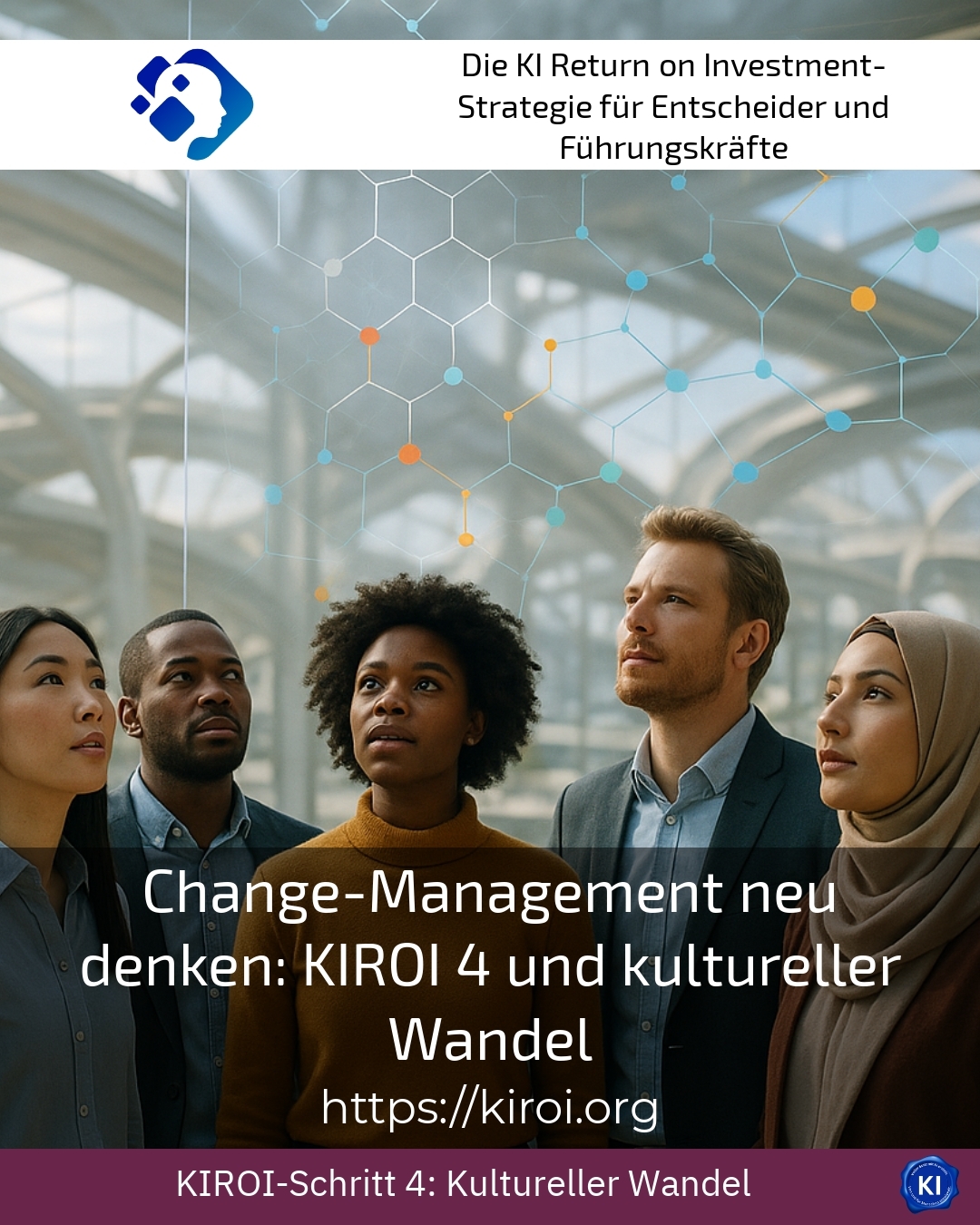
The demands placed on change projects are steadily increasing – both in depth and scope. Change management is therefore being rethought and is increasingly being linked to a company's cultural change. It is no longer just about adapting processes or systems, but about accompanying and developing an organisation's existing thought and behavioural patterns. This holistic view supports sustainable change and creates the basis for lasting adaptability.
Process changes and cultural change – two sides of the same coin
In modern change management, changes to corporate culture are no longer a side issue, but an integral part of every transformation initiative. Organisations that have to respond to complex challenges today recognise that without conscious shaping of the culture, the desired success often fails to materialise. Such a cultural change affects the values, attitudes and behaviour of all employees.
Typical starting situations include, for example, mergers, growth, the introduction of agile methods, or a change in leadership, where the existing cultural fabric is put to the test. Accompanied cultural change provides impetus and supports the acceptance of new things, without artificially forcing them. The employees are at the centre of this, as they are the ones who bring the change to life and thus make the organisation more resilient.
KIROI Best Practice at Company XYZ (Name changed due to NDA)
In a large consulting project, change management was designed in such a way that, alongside the technical implementation of new working methods, the cultural framework was systematically developed. Employees not only received information but were actively involved in the process and learned to take responsibility for the change. This fostered a new understanding of collaboration and a culture of embracing mistakes, which gradually became embedded within the company.
Standardisation meets individual support
An important advance in change management is the development of uniform methods across all projects. At the same time, it's clear that a „one-size-fits-all“ solution rarely works. This is because every change brings its own challenges and specific needs. Therefore, organisations at an advanced stage of maturity integrate change management standards into their project planning. In this way, change management is included from the outset as an indispensable part, rather than being considered an additional task.
These standards ensure repeatability and a common language in change projects. However, successful support always maintains enough flexibility to address individual situations. Leaders and employees are supported in actively fulfilling their roles. Leaders, for example, take on the role of visible sponsors who motivate and embody the change.
KIROI BEST PRACTICE at ABC (name changed due to NDA contract)
In a technology corporation, change management was firmly embedded in the project approach. Managers received targeted training to strengthen their role as culture bearers. In parallel, a change management community was established to foster exchange and disseminate methodology and tools among the teams. This resulted in sustainable competencies that had an impact beyond individual projects.
The role of leaders as active shapers
Leaders are key figures in cultural change and significantly shape how new behaviours are adopted. They are not only trendsetters but also important communicators and supporters in implementing change. Active listening, openly addressing mistakes, and fostering trust are fundamental tools. It is only through this role-modelling that an environment is created in which employees see change as an opportunity and participate in shaping it.
Through targeted support, leaders are empowered to conduct constructive dialogues, establish a feedback culture, and keep teams stable during phases of uncertainty. Rather than imposing change, they provide impetus and guide the process with a clear focus on the people behind it.
KIROI Best Practices at Company LMN (Name changed due to NDA)
In a medium-sized company, managers were taught by KIROI coaching how they can actively and authentically support cultural changes in their daily lives. Training areas were developed where communication and emotional understanding were practiced. The teams often reported how much more security and openness had emerged after the introduction of this approach.
My analysis
Change management, in conjunction with cultural change, is a process that requires time and conscious leadership. Standardised methods and individual support are not mutually exclusive, but rather complementary. Employee involvement and the active role of leaders as catalysts and culture bearers are crucial. Support through professional coaching can help to bring new values and behaviours to life, rather than merely declaring them.
Experience shows that sustainable change does not happen overnight. Instead of making promises of effect, support helps to understand individual steps, make processes more transparent, and leverage individual strengths. This creates change that opens up new opportunities for the entire company and increases resilience.
Further links from the text above:
[1] The Four Principles of Change Management – Mindtools
[2] Achieving culture change in your organisation
[4] 5 Levels of Change Management Maturity – Prosci
[5] Organisational Development and Cultural Change
[7] Transforming organisational culture: KIROI Step 4 for Leaders
For more information and if you have any questions, please contact Contact us on or read further blog posts on the topic Artificial Intelligence Blog here.













 Deutsch
  English (UK)