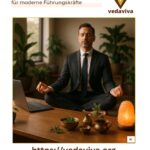
Ayurvedic healing art for a holistic leader
Ayurvedic healing arts represent the ancient knowledge of life that helps people to bring body, mind, and soul into balance. Especially today, in a time of high professional demands, modern leaders are increasingly discovering this holistic understanding for themselves. Ayurvedic healing arts support them in managing stress, finding inner peace, and strengthening their decision-making abilities. This creates sustainable success that arises from genuine balance and doesn't just rely on superficial methods.
Core principles and their significance for leadership
Ayurvedic healing is based on the three doshas – Vata, Pitta, and Kapha – which represent different life energies. In professional daily life, these principles help to recognise individual needs and find one's personal rhythm. The interplay of the five elements – earth, water, fire, air, and ether – is important here, manifesting in bodily functions and mental processes. When leaders know their own doshas, they are better able to cope healthily with stress and maintain their performance.
Examples from practice
BEST PRACTICE at company XYZ (name changed due to NDA contract) A department head noticed that constant pressure from deadlines was causing him to lose his inner balance. With the help of Ayurvedic healing arts, he integrated short daily breathing exercises and a diet tailored to his dosha type into his everyday life. The result was increased concentration and greater serenity in dealing with challenges.
BEST PRACTICE at ABC (name changed due to NDA contract) A managing director found that despite long working hours, she was often tired and lacked energy. With the help of Ayurvedic medicine, she developed an evening routine with calming massages and an adjusted sleep rhythm. This allowed her to improve her vitality without having to sacrifice her daily commitments.
Best Practices at Company QWE (Name changed due to NDA) A team leader in the tech industry suffered from frequent indecisiveness due to internal stress. By integrating Ayurvedic dietary and exercise recommendations for his dosha type, he found greater inner clarity. This had a positive impact on team dynamics and his own resilience.
Ayurvedic Healing Arts in the Everyday Life of a Manager
Modern leadership demands high flexibility and constant multitasking, which often leads to stress and exhaustion. Ayurvedic healing art offers simple and effective ways to counteract this. For example, regular daily rhythms, diet suited to one's type, and targeted relaxation practices are central elements. Furthermore, Ayurvedic purification techniques and an awareness of individual needs contribute to maintaining inner balance.
Practical tips
Leaders can start with small rituals: morning meditation to clear the mind, mindful eating according to Dosha recommendations, and regular breaks for exercise or short breathing exercises. Ayurvedic healing also recommends paying attention to sleep quality and structuring the day to support natural metabolic rhythms. This helps conserve energy and maintain a cool head, even during stressful periods.
BEST PRACTICE at LMN (name changed due to NDA contract) A leadership team integrated Ayurveda-based mindfulness and movement elements into their weekly meetings. This led to increased attentiveness and a more relaxed working atmosphere, without losing focus on company goals.
BEST PRACTICE at DEF (name changed due to NDA contract) A manager used Ayurvedic medicine to sustainably improve his stress management. With an adapted daily structure and herbal support, he was able to organise decision-making processes more consciously and calmly, which promoted team cohesion.
Best Practice at Company UVW (name changed due to NDA) An entrepreneur developed a resilience strategy using Ayurvedic healing arts, combining body care, mental exercises, and conscious reflection. This enabled him to approach stress with greater composure and exercise his leadership role more sustainably.
How Ayurvedic healing arts sustainably enrich leadership culture
Ayurvedic healing is more than just a health strategy. It creates a model for a modern, sustainable leadership culture. Through body awareness, mental clarity and emotional stability, it provides a strong foundation for authentic leadership behaviour. Managers who integrate Ayurveda often experience a deepened self-knowledge and an improved awareness of their responsibility and impact within the organisation.
The systematic application of this ancient healing art opens up opportunities to harmoniously shape both personal quality of life and corporate culture. It supports leaders in overcoming their challenges more healthily and leading their teams appreciatively.
My analysis
Ayurvedic healing offers executives a valuable and practical approach to promoting balance and resilience. Through a conscious lifestyle, adapted nutrition, and targeted self-care, inner strength can be maintained and strengthened. Integration into daily work life enables sustainable leadership behaviour, which positively impacts all levels of a company. Ayurvedic healing is thus a contemporary tool for professional development and personal well-being.
Further links from the text above:
[1] Ayurveda – holistic healing for body & mind
[2] Ayurvedic healing: The secret of true leadership resilience
[3] The Knowledge of Life: Ayurveda – Traditional Indian Healing Art
[4] Ayurveda Healing: The Secret Formula for Sustainable Leadership Success
[6] Ayurveda Healing Arts: The Secret to New Leadership Success
Legal notice: Coaching does not replace therapy. It serves personal development. I do not diagnose or promise a cure. My offer is for personal development and is not a substitute for medical, psychotherapeutic or curative treatment. Please consult a medically qualified specialist if you have any health complaints. The experiences described here are based on individual feedback from my clients. They are not a guarantee of success and do not replace medical or therapeutic counselling. For more information and if you have any questions, please contact Contact us on the topic or read further blog posts on the Topic here.






 Deutsch
  English (UK)