

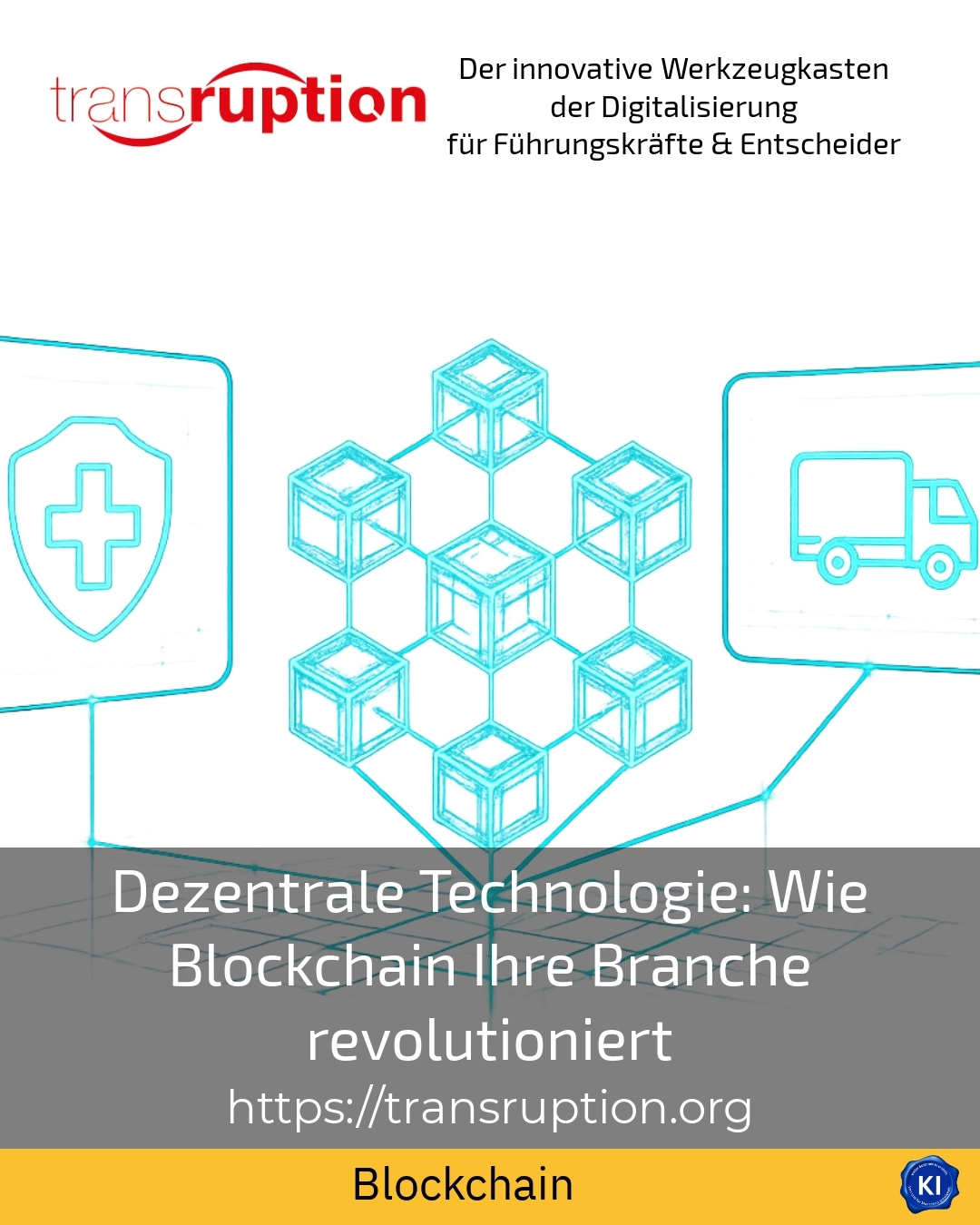
In today's digital world, decentralised technology is becoming increasingly important. This technology makes it possible to distribute control and thus optimise a variety of processes that were previously centralised. Decentralised technology is particularly found in blockchain technology, where it improves the security, transparency and efficiency of transactions[1][2]. In the following, we will explore the key aspects of decentralised technology and see how it is revolutionising various industries.
Decentralised Technology: What is it?
Decentralised technology refers to the distribution of authority and control within a network. This means that no single entity has sole power over data or decisions. Instead, independent nodes act together, verifying and confirming transactions. A key example of this is blockchain technology, which is widely used in the financial industry and offers high security through its decentralised nature.
Safety and transparency
Decentralised technology is particularly secure as it has no single point of failure. Even if part of the network is compromised, the rest remains functional[1]. Every transaction is recorded transparently and is visible to all participants, increasing trust and control within the network[2]. An example of this is the use of smart contracts, which enable automated business agreements without the need for an intermediary[3].
Practical applications of decentralised technology
A significant advantage of decentralised technology is its applicability across various industries. For example, it's used in logistics to make supply chains more transparent and efficient. Smart contracts can automatically trigger payments when goods arrive at a specific location, which accelerates the entire process and increases security [3].
BEST PRACTICE with one customer (name hidden due to NDA contract)A company in the insurance sector used decentralised technology to manage its customers' claims more transparently. By introducing blockchain technology, both parties were able to create an independent and publicly accessible record of all transactions, which increased trust between the insurer and the customer.
Decentralised Networks in Practice
Decentralised networks are not just found in the financial sector, but also in other areas such as healthcare or the food industry. They help to store data securely and control access to it. One example of this is the use of blockchain to track medication, to ensure its authenticity and safety[4].
Decentralised Technology: Future Prospects
The future of decentralised technology looks promising. It not only offers advantages in terms of security and transparency but can also increase efficiency and cost-effectiveness across many industries. However, integrating decentralised technology into existing systems requires careful planning and implementation to realise its full potential [8].
Support with implementation
To overcome the challenges in implementing decentralised technology, it is important to draw on experienced coaching. A coaching programme can help companies to fully exploit the benefits of decentralised technology and to effectively manage the transition to new processes.
My analysis
Overall, decentralised technology has the potential to revolutionise diverse industries. By its ability to make transactions more transparent and secure, it offers an innovative solution to many of today's challenges. Decentralised technology will continue to play a central role in the future of digital transformation.
Further links from the text above:
For a more in-depth exploration of the topic of decentralised technology, the following sources are recommended:
What is blockchain technology?
For more information and if you have any questions, please contact Contact us or read more blog posts on the topic TRANSRUPTION here.






 Deutsch
  English (UK)