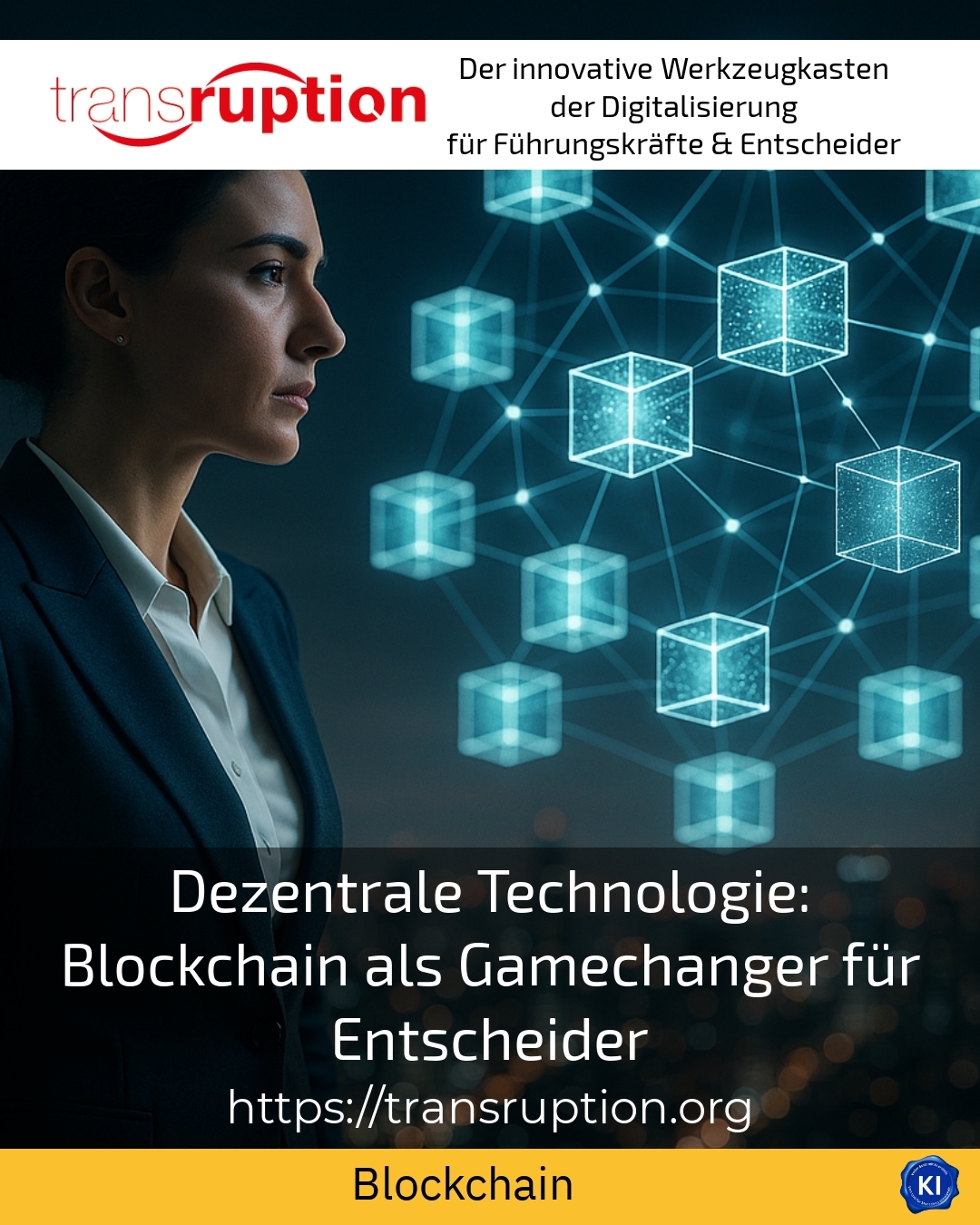
Decentralised technology is changing the way companies manage data and design processes. Many decision-makers are wondering how they can leverage this development to their advantage. The technology offers new possibilities for transparency, security, and efficiency. It is often used in projects where trust, traceability, and independence from central authorities are important. Decentralised technology is not a hype, but a real game-changer for many industries.
What makes decentralised technology so special?
Decentralised technology does not store data in a single location. Instead, the information is distributed across many computers on the network. Each participant holds a copy of the data. This makes manipulation extremely difficult. The data is transparent and visible to all. Any changes are immediately detected. This increases trust between the participants.
A real-world example is the tracking of supply chains. Companies can record every step of a delivery. Everyone involved sees when and where a product was. This protects against counterfeiting and ensures greater security. Data is also managed securely and transparently in the healthcare sector. Patients can decide for themselves who has access to their data.
In the financial sector, decentralised technology enables fast and secure transactions. Banks and companies can process payments directly. Long waiting times and high fees are eliminated. The technology is also used for digital identities. Users can manage and share their data themselves.
Decentralised Technology in Practice
Examples from the economy
Many companies are already using decentralised technology. A large corporation is using the technology to document the origin of raw materials. Every step is recorded. This protects against counterfeiting and ensures greater transparency. Another company is using the technology for managing digital contracts. The contracts are immutable and visible to all parties involved.
A startup is offering a platform for digital voting. The votes are stored securely and transparently. This protects against manipulation and fosters greater trust. NFTs are also being used in the realm of digital art. Each piece of artwork is unique and cannot be counterfeited.
Another example is the management of digital identities. Users can manage and share their data themselves. This protects against misuse and ensures greater security. Smart contracts are also used in the area of digital contracts. The contracts are executed automatically as soon as the conditions are met.
Examples from the public sector
Decentralised technology is used in the public sector for data management. One example is tracking elections. Votes are stored securely and transparently. This protects against manipulation and fosters greater trust. The technologies are also being used in the area of digital identities. Citizens can manage and share their data themselves.
Another example is the management of digital contracts. The contracts are immutable and visible to all parties involved. NFTs are also used in the field of digital art. Each artwork is unique and cannot be faked.
Another example is the management of digital identities. Users can manage and share their data themselves. This protects against misuse and ensures greater security. Smart contracts are also used in the area of digital contracts. The contracts are executed automatically as soon as the conditions are met.
Decentralised technology and transruptive coaching
Many decision-makers are wondering how they can leverage decentralised technology. transruptions-coaching supports companies in the introduction and use of the technology. We provide impetus and offer support with implementation. Clients often report new possibilities and opportunities.
A customer from the logistics sector wanted to improve delivery tracking. We introduced the technology together. Deliveries are now documented securely and transparently. This protects against counterfeiting and builds trust.
Another client from the financial sector wanted to speed up payment processing. We implemented the technology together. Payments are now processed directly and securely. This saves time and money.
Another client from the healthcare sector wanted to improve the management of patient data. We introduced the technology together. The data is now managed securely and transparently. This protects against misuse and ensures greater security.
BEST PRACTICE at the customer (name hidden due to NDA contract) A company in the food sector is using decentralised technology to document the origin of raw materials. Every step is recorded. This protects against forgeries and ensures greater transparency. The technology is also used for managing digital contracts. The contracts are immutable and visible to all parties involved. The company reports increased trust and security.
My analysis
Decentralised technology offers many advantages for businesses and organisations. It increases transparency, security, and efficiency. The technology is used in many areas. It protects against manipulation and creates more trust. Decision-makers should take advantage of the opportunities and engage with the technology. transruptions-Coaching supports companies in the introduction and use of the technology. We provide inspiration and assist with implementation.
Further links from the text above:
Understanding Blockchain Fundamentals – Technavigator
Blockchain technology – Internet computer
Blockchain Technology – Federal Network Agency
Blockchain White Paper – Fraunhofer FIT
Blockchain Explained Simply – Lucerne University of Applied Sciences and Arts
Blockchain: How does the technology work? – Raisin
Blockchain Technology Simply Explained – WiWin
For more information and if you have any questions, please contact Contact us or read more blog posts on the topic TRANSRUPTION here.






 Deutsch
  English (UK)