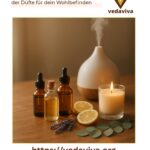
The fine art of using fragrance to promote well-being
The targeted application of plant essences, also known by their chemically active form, opens up diverse possibilities to support personal well-being and promote pleasant states of relaxation and balance. The variety of natural extracts allows for individual responses to different needs, without making blanket promises.
Diverse application forms and their effects
There are many ways to use these pure plant essences: they can be used as a fragrance for inhalation, nebulised in a diffuser or applied to the skin, for example through gentle massages. This has a direct influence on the central nervous system, as the fragrance molecules reach the limbic system, which is responsible for emotions and memory, via the olfactory mucosa. There they can set impulses that are often associated with an increased mood or stress reduction.
In practice, users often demonstrate that certain essences can help them feel calmer and more secure, whereas others are perceived as invigorating.
BEST PRACTICE at company XYZ (name changed due to NDA contract) During a team coaching session, a diffuser with a mild lavender blend was used during breaks, which participants reported often led to a relaxed atmosphere and improved concentration. The targeted use helped to accompany everyday work stress with subtle scent impulses.
BEST PRACTICE at company XYZ (name changed due to NDA contract) During a mental balance workshop, citrus essences were used, the fresh scent of which many participants found invigorating – subsequently, they often reported increased alertness and clearer thinking after the sessions.
BEST PRACTICE at company XYZ (name changed due to NDA contract) In a one-to-one session, the regular application of rosemary and bergamot extracts as massage oil supported the process of goal clarification. The individual reported increased inner calm and improved focus on their intentions.
Concrete examples from everyday life
Many people harness the power of scents to positively influence their daily lives. One example is an evening routine, where a few drops of a calming essential oil blend are added to bathwater, often perceived as a soothing accompaniment. Another example is the integration of fragrant essences into meditation or breathing exercises, which can make the practice feel more supportive.
Even in the workplace, selected scents, such as a combination of citrus and herbal essences, can create a pleasant atmosphere, support well-being, and temporarily alleviate stress responses.
Scientific background and mode of action
The molecules of plant essences act directly on the limbic system, a part of the brain that controls emotions and memory, through absorption via the nose. This explains why scents are often linked to memories and feelings. The interaction of these fragrances with the nervous system can trigger impulses for well-being and relaxation. Current neuroscience research supports these connections and demonstrates physiological effects, such as a possible slowing of the heartbeat and a calming effect on the nervous system.
BEST PRACTICE at company XYZ (name changed due to NDA contract) In the context of psychological counselling, the use of essential flower essences via inhalations was used as support. The clients often reported that they felt more emotionally stable and were better able to deal with stress. The pleasant fragrance experiences had a supportive effect in challenging phases.
BEST PRACTICE at company XYZ (name changed due to NDA contract) In a coaching session on stress management, citrus and herbal essences were combined and distributed via a diffuser. Participants stated that this combination contributed to greater calmness and clarity in hectic moments.
BEST PRACTICE at company XYZ (name changed due to NDA contract) During a series of self-care courses, facilitators recommended that participants create their own personal scent blends and use them intentionally throughout the day as needed. This practice was described as a helpful prompt for self-awareness and mindfulness.
Tips for responsible use
The use of fragrance essences should always be done with care. Recommendations include selecting high-quality products that consider sensitive individual reactions. Caution is especially advised for those with sensitive skin or a tendency towards allergies. A gentle and respectful approach to these natural substances ensures they can be integrated into daily life in a supportive and pleasant way.
Incorporating essential oil applications into personal rituals can offer prompts for staying more consciously connected to body and mind, without making absolute promises about effects.
My analysis
The use of plant essences in various forms offers a multifaceted way to experience individual support in everyday life, which is often perceived as beneficial for promoting inner balance. The diversity of application possibilities allows personal preferences and needs to be incorporated into small rituals that can contribute to relaxation and emotional equilibrium. It is important to always view the method as a supplement that can provide impulses and support, without serving as a substitute for medical or therapeutic treatments.
Further links from the text above:
[1] Essential Oils: Application and Effects – netDoktor.de
[2] Aromatherapy for relaxation: Discover the benefits
[3] Aromatherapy and Essential Oils – NOBLE: North of Boston Library
[4] The healing power of aromatherapy in psychotherapy
[5] Aromatherapy for mental and emotional wellbeing
Legal notice: Coaching does not replace therapy. It serves personal development. I do not diagnose or promise a cure. My offer is for personal development and is not a substitute for medical, psychotherapeutic or curative treatment. Please consult a medically qualified specialist if you have any health complaints. The experiences presented here are based on individual feedback from my clients. They are not a guarantee of success and do not replace medical or therapeutic counselling.






 Deutsch
  English (UK)